


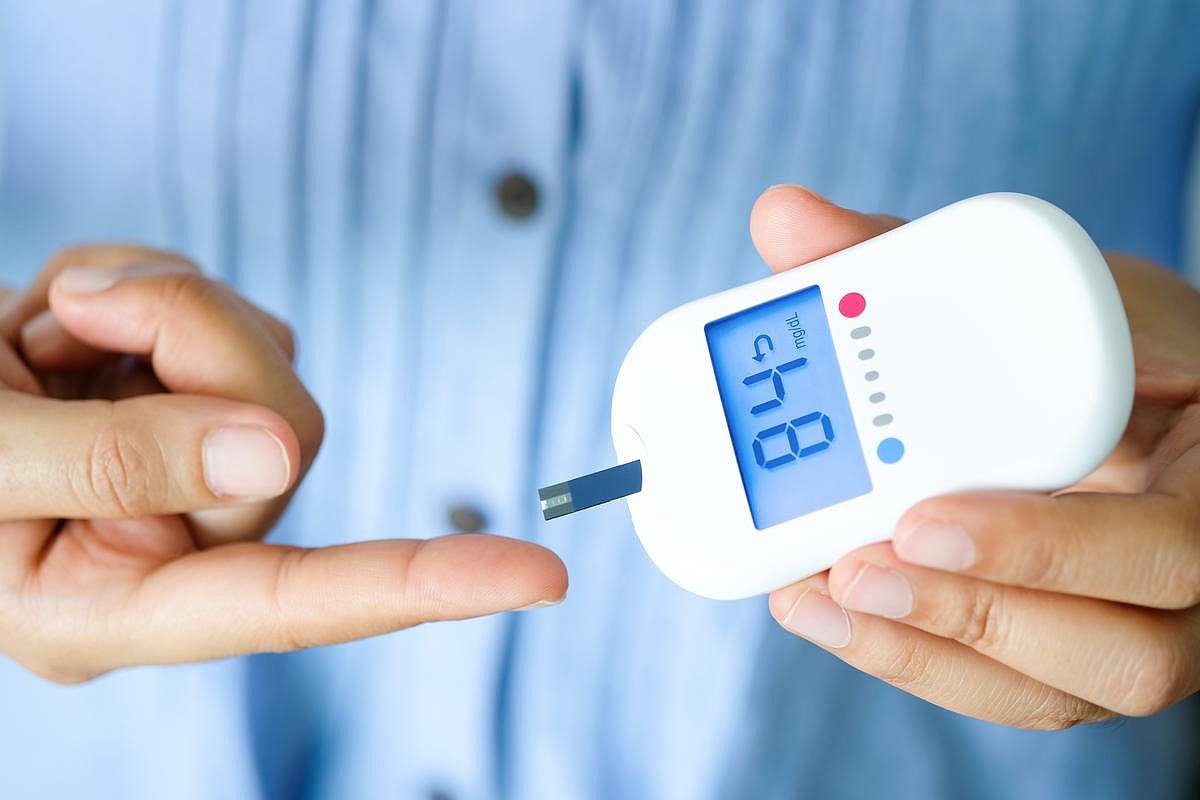
Best-performing long short-term memory model outperformed all baseline models, achieving F1 score of 0.30
FRIDAY, July 10, 2026 (HealthDay News) — A deep learning model can identify hospitalized patients at risk for hypoglycemia within 24 hours, according to a study published online June 11 in npj Digital Medicine.
Amanda Momenzadeh, Pharm.D., from Cedars-Sinai Medical Center in Los Angeles, and colleagues developed, validated, and prospectively evaluated a real-time long short-term memory (LSTM) model to predict hypoglycemia within 24 hours based on electronic health record data from 143,124 adult inpatient admissions. Medications, laboratory values, diet orders, and percentage of meals consumed over a five-day lookback window segmented into four-hour intervals, as well as static demographic variables, were time-series predictors.
The researchers found that the best-performing LSTM model outperformed all baseline models, achieving an F1 score of 0.30, with precision of 0.23, recall of 0.44, and an area under the precision-recall curve of 0.23 at a decision threshold of 0.7. During prospective daily validation using live electronic health record extracts, performance remained stable. Clinically meaningful temporal predictors were identified on Shapley Additive Explanations, including recent insulin administration and prior hypoglycemia. Across most demographic subgroups, model performance remained consistent.
“The AI model is designed to alert patient care teams before a patient experiences low blood sugar and identify the key factors driving that risk,” Momenzadeh said in a statement. “By offering actionable insights to care teams, it also aims to support hospital diabetes management programs.”
Cedars-Sinai Medical Center has filed patent applications related to the hypoglycemia prediction model described in this manuscript; three authors are listed as inventors on patent applications.
Abstract/Full Text (subscription or payment may be required)
 Spinal Cord Stimulation Cuts Pain, Improves Sensation With Diabetic Nerve Damage
  Very Low-Carb Diet Shows Greater Cardiometabolic Benefits Than Other Diets
 .jpg) Time-Restricted Eating May Help Patients With Type 1 Diabetes
Time-Restricted Eating May Help Patients With Type 1 Diabetes  Vascular Burden in Midlife Linked to Increased Risk for Dementia, Death
  Isometric Exercise Training Three Times a Week Preserves Cardiovascular Benefits
  Insomnia Linked to Increased Risk for Stroke, Odds of Admission
  Increased Dementia Risk Seen After Transient Ischemic Attack
  Nearly 3 in 4 Older Adults Express Interest in Vaccine to Prevent Dementia




.jpg)