


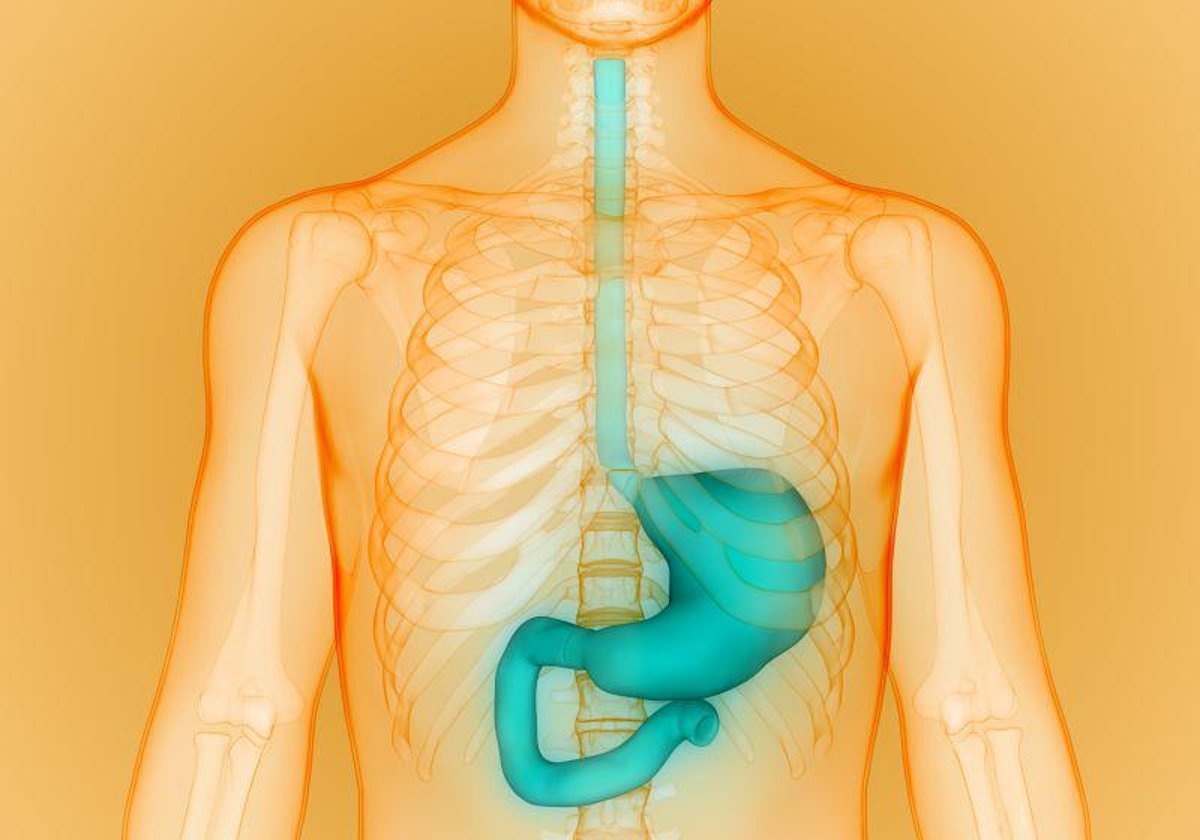
Age at diagnosis, sex, histology, stage T, surgery, tumor size, and marital status were independently prognostic of overall survival
FRIDAY, July 15, 2022 (HealthDay News) — A model based on clinical indicators and marital status is prognostic for early-stage gastric cancer (GC), according to a study published online July 5 in the Journal of Investigative Medicine.
Lixiang Zhang, from the First Affiliated Hospital of Anhui Medical University in Hefei, China, and colleagues combined clinical indicators and social factors to establish a predictive model for early-stage GC based on a new scoring system using data from 3,647 patients. Differences in prognosis were compared using marital status as an innovative prognostic indicator. In addition, prediction factors were screened using univariate and multivariate analyses, and a nomogram was built.
The researchers found that age at diagnosis, sex, histology, stage T, surgery, tumor size, and marital status were independent prognostic factors of overall survival in univariate and multivariate analyses. In training and testing sets, both the C-index and calibration curves confirmed that the nomogram had a great predictive effect on patient prognosis.
“Marital status, a factor that is rarely enrolled in GC research, also showed moderate influence on survival in our nomogram,” the authors write. “Married patients had the best prognosis, followed by single patients, and the prognosis of separated patients was the worst.”
 Exercise Intervention Linked to Improved Attention, Memory in Breast Cancer
 .jpg) Cancer Survivors Have Lower Levels of Physical Activity
Cancer Survivors Have Lower Levels of Physical Activity  Childhood Cancer Survivors Often Have Mental Distress in Adulthood
  Blinatumomab Improves Event-Free Survival in Children With High-Risk B-Cell ALL
 .jpg) Most Specialty Oral Anticancer Meds for Blood Cancers Are Initially Rejected by Insurers
Most Specialty Oral Anticancer Meds for Blood Cancers Are Initially Rejected by Insurers  Drug Interactions Reducing Contraceptive Effectiveness Common in Epilepsy
  1 in 3 With Lupus Take Supplements, Medications With Potential for Interactions
  Holding DMARDs at Time of COVID-19 Vaccine Not Warranted in Those With Inflammatory Arthritis


