


Moderna request covers all adults to give federal health officials the freedom to determine who should get a second booster
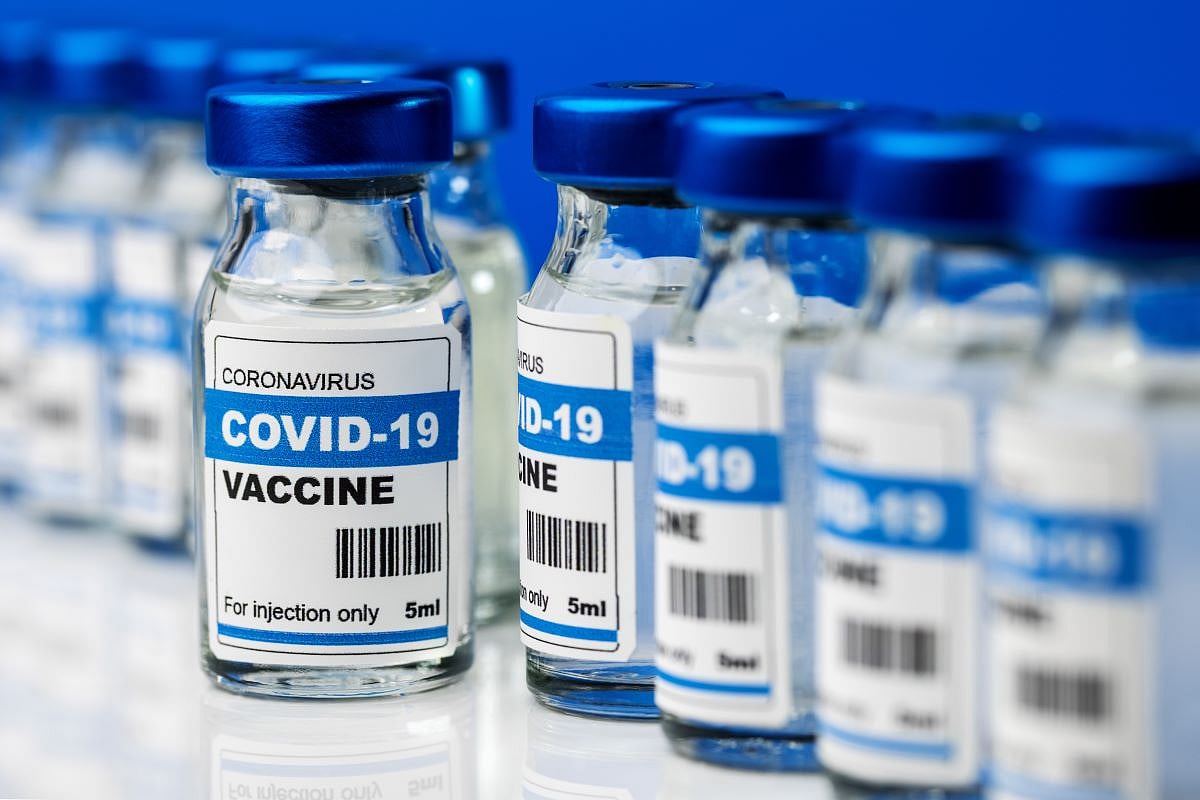
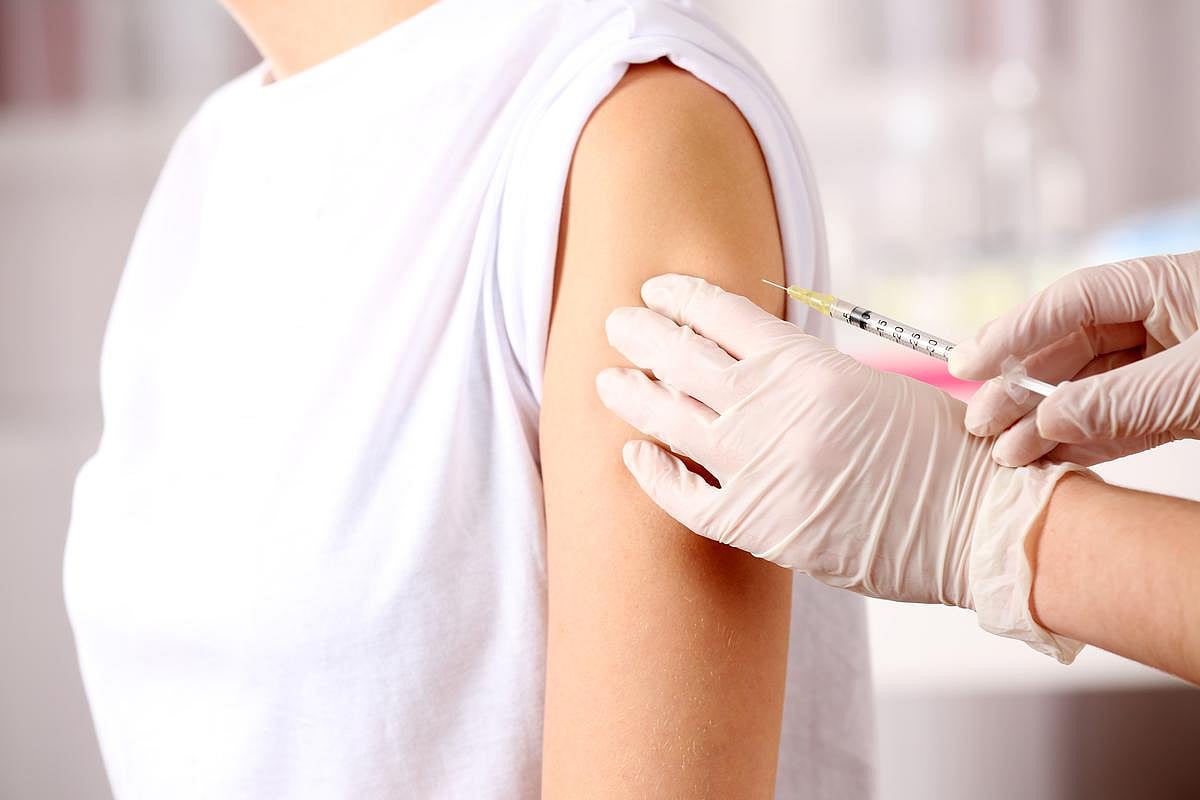
FRIDAY, March 18, 2022 (HealthDay News) — Moderna said late Thursday that it has asked the U.S. Food and Drug Administration to approve the emergency use of a second booster of its COVID-19 vaccine for all adults. In a statement, the company noted its request is based partly on recent data from the United States and Israel showing how well its vaccine protects against the omicron variant.
Moderna has asked for much broader authorization for a second booster than Pfizer did when it requested FDA emergency use authorization of a second booster of its vaccine for adults 65 years and older earlier this week. In doing so, Moderna explained that its request covered all adults to give federal health officials the freedom to determine who should get a second booster, including for those at higher risk for severe disease because of age or underlying medical conditions.
U.S. health officials have expressed concerns about the waning power of Moderna and Pfizer booster shots that were authorized last fall. There are signs the FDA could respond quickly to the Pfizer request for a second booster, but it is unclear how the agency will view the Moderna request, The New York Times reported.
In the meantime, experts are engaged in an intense debate over whether a second booster is needed at the moment. “I’m a strong proponent of giving a second booster now,” Peter Hotez, M.D., a vaccine expert at the Baylor College of Medicine in Houston, told The Times. The first booster shot “made a huge difference” in improving protection against hospitalization and even infection from the omicron variant, Hotez noted. “It’s also clear that protection is waning now pretty quickly, a few months after your third dose,” he said. “So, it’s short-lived. The hope is that a second booster would restore it.”
But there are still a number of questions that need to be answered before approving second boosters, according to Jesse Goodman, M.D., a former chief scientist for the FDA. “While protection is waning against mild infections, without more information we do not yet know to what extent, if any, protection is waning against severe disease,” he told The Times. It is also not clear “to what degree and for how long another booster might help,” Goodman added.
 Nearly 3 in 4 Older Adults Express Interest in Vaccine to Prevent Dementia
  Updated COVID-19 Shot Beneficial for Those With Autoimmune Rheumatic Disease
  Trends Reported in Vaccination Coverage for Adolescents for 2025
  AAP Issues Recommendations for Pediatric RSV Vaccination in 2026-2027 Season
  4CMenB Vaccine Confers Modest Protection Against Gonorrhea in Teens
  AAP Releases Influenza Vaccine Recommendations for All Children 6 Months and Older
  Adverse Event Risk Not Up With Same Day COVID-19, Flu Vaccination
.jpg)


.jpg)