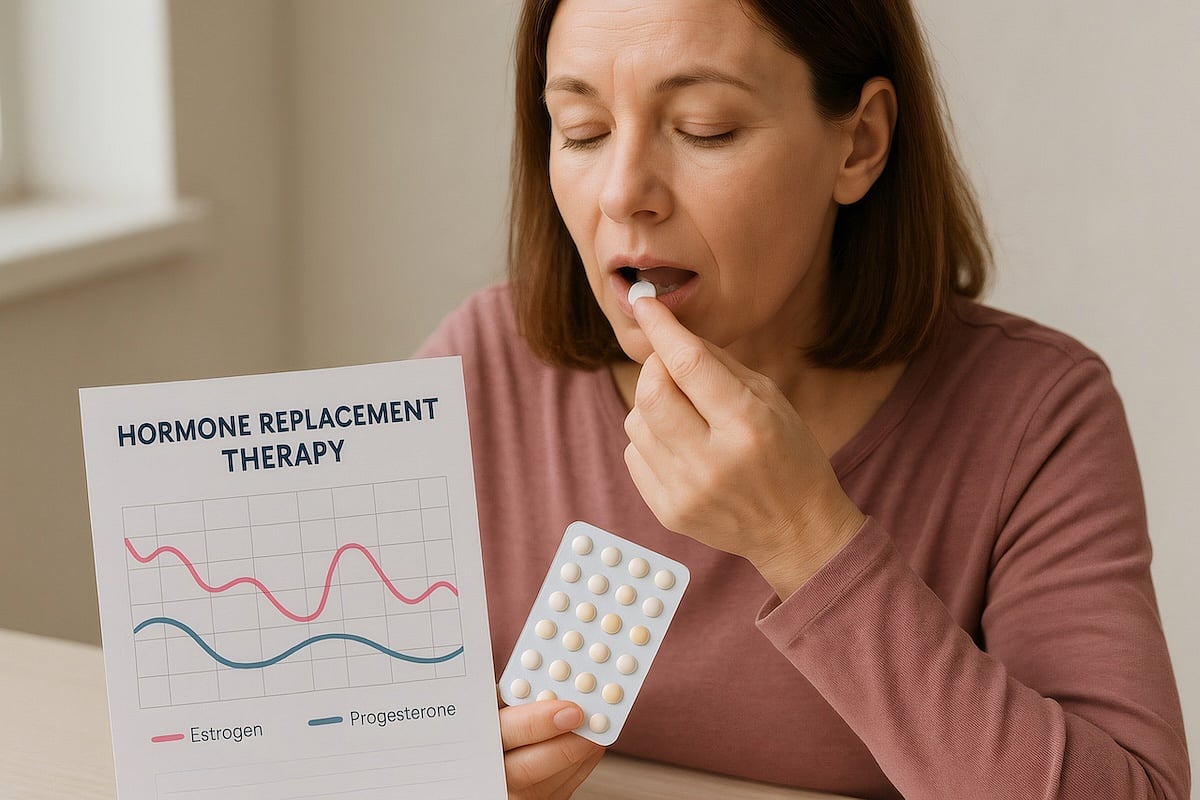
FDA approved mifepristone in 2000, and use of the abortion pills has been rising since then
THURSDAY, Feb. 24, 2022 (HealthDay News) — An increase in telemedicine during the pandemic and easier access to prescription drugs to end a pregnancy may help explain why more than half of U.S. abortions are now done with a combination of medicines instead of surgery, researchers report.
The percentage of abortions done with U.S. Food and Drug Administration-approved mifepristone pills rose from about 44 percent in 2019 to 54 percent in 2020, according to preliminary numbers from the Guttmacher Institute, a research group that supports abortion rights.
Two factors may have contributed to the increase in the use of prescription pills for abortions, Guttmacher researcher Rachel Jones suggested. During the pandemic, there was a rise in the use of telemedicine and the FDA started to allow abortion pills to be mailed to patients instead of requiring in-person visits to get them, a change that became permanent last December. That means that millions of women can now get a prescription through an online consultation and receive the pills through the mail.
The FDA approved mifepristone in 2000, and use of the abortion pills has been rising since then.
Abortion opponents have stepped up efforts to get state legislatures to place additional restrictions on medical abortions. So far this year, 16 state legislatures have proposed bans or restrictions on medication abortion, according to the Guttmacher Institute. It said that mailing abortion pills is banned in three states — Arizona, Arkansas, and Texas — and that 32 states require these medications to be prescribed by physicians even though other medicines can be prescribed by physician assistants and other health care providers.
 Holding DMARDs at Time of COVID-19 Vaccine Not Warranted in Those With Inflammatory Arthritis
  1 in 3 With Lupus Take Supplements, Medications With Potential for Interactions
  2013 to 2024 Saw Decrease in Benzodiazepine Prescribing
  GLP-1 Receptor Agonists, SGLT-2is Slow Renal Function Decline in T2D With Albuminuria
  Polypharmacy of Prescription Medications Increased for U.S. Older Adults
 .jpeg) 1997 to 2022 Saw Increase in Pediatric Hospitalizations With AKI
1997 to 2022 Saw Increase in Pediatric Hospitalizations With AKI  Early Complications Common in Older Kidney Transplant Recipients
  Frailty Linked to Incident Cognitive Decline in Men With CKD