


For patients with high MS activity, small increase in relapse risk seen after booster dose, especially for those not treated
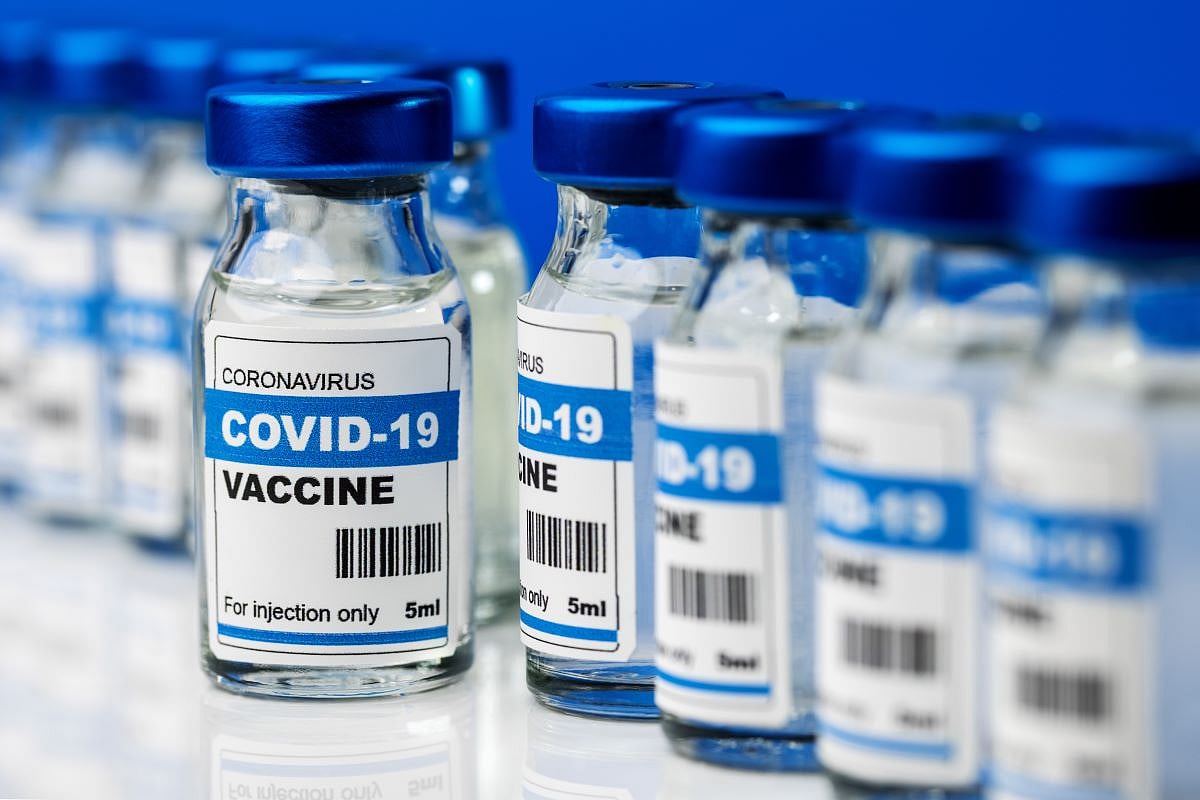
WEDNESDAY, Aug. 14, 2024 (HealthDay News) — For most patients with multiple sclerosis (MS), there is no increased risk for relapse after COVID-19 vaccination, according to a study published online Aug. 14 in Neurology.
Xavier Moisset, M.D., Ph.D., from the Universite Clermont Auvergne in Clermont-Ferrand, France, and colleagues conducted a nationwide study using data from the French National Health Data System to estimate the risk for severe relapse after one, two, and three (booster) doses of COVID-19 vaccination in patients with MS. A total of 124,545 patients with MS were identified on Jan. 1, 2021; 82 percent received at least one dose of COVID-19 vaccine until Dec. 31, 2021, with a total of 259,880 doses.
The researchers found that the combined incidence rate ratio was 0.97 (95 percent confidence interval, 0.91 to 1.03; P = 0.30) for MS relapse. In various subgroups, including those aged younger than 50 years, with a duration of MS <10 years, and using disease-modifying treatments (DMTs), the same absence of risk was confirmed. For patients with high MS activity, especially when not treated, a small increase in relapse risk was seen after a booster dose (incidence rate ratio, 1.39; 95 percent confidence interval, 1.08 to 1.80).
“These vaccines can be used without any worry about the risk of relapse to provide booster doses to patients for whom they are warranted,” the authors write. “However, particular caution is needed for patients with the highest inflammatory activity in the previous two years, who should first receive DMT.”
Several authors disclosed ties to the pharmaceutical industry.
Abstract/Full Text (subscription or payment may be required)
 Nearly 3 in 4 Older Adults Express Interest in Vaccine to Prevent Dementia
  Updated COVID-19 Shot Beneficial for Those With Autoimmune Rheumatic Disease
  AAP Issues Recommendations for Pediatric RSV Vaccination in 2026-2027 Season
  Trends Reported in Vaccination Coverage for Adolescents for 2025
 .jpg) Considerable Gaps Reported in Care for Youth With Opioid Use Disorder
Considerable Gaps Reported in Care for Youth With Opioid Use Disorder  Nutritional Deficiencies Seen in Youth Taking GLP-1 Receptor Agonists
  Youth Suicide Risk Linked to Community Firearm Violence
  Social Media Warnings Could Discourage Use Among Teens, Young Adults


.jpg)

