


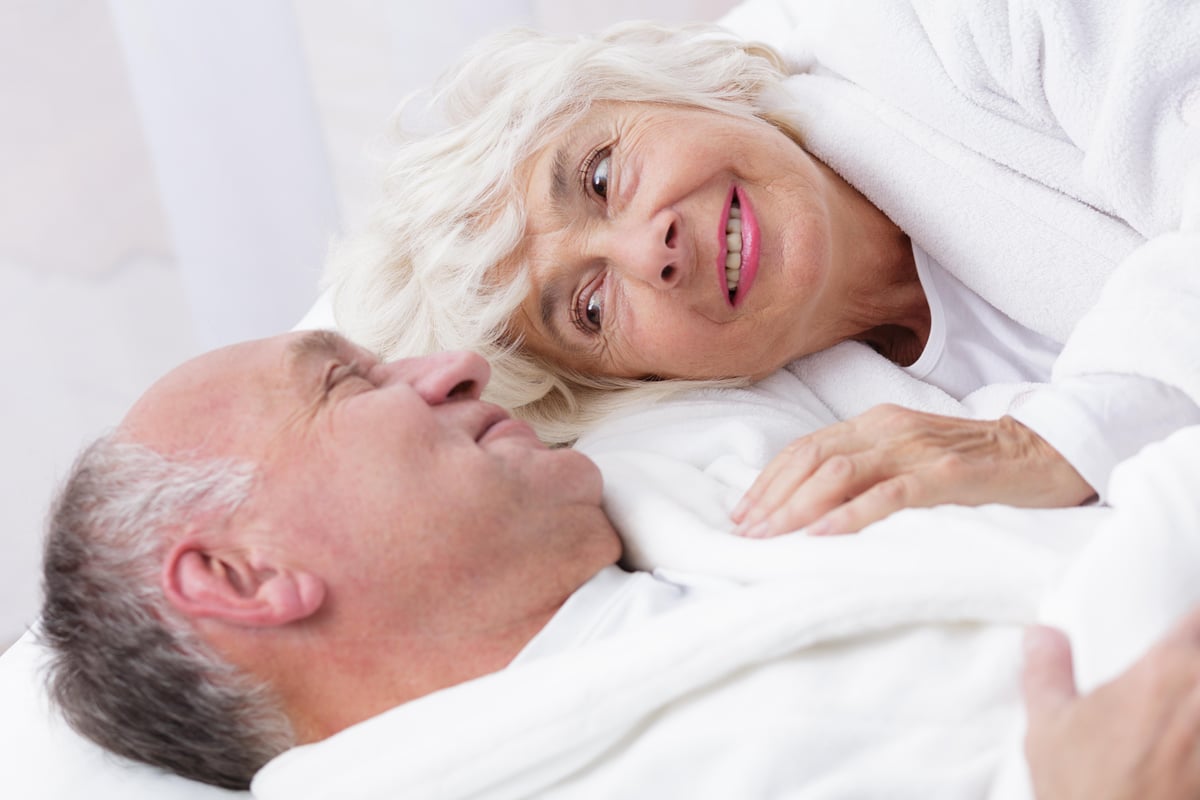
Authors say women should speak to their providers about sexual health, including the impact of menopause-related symptoms
MONDAY, May 23, 2022 (HealthDay News) — Many older women remain sexually active, according to the results of the latest University of Michigan National Poll on Healthy Aging.
Preeti Malani, M.D., from the University of Michigan Institute for Healthcare Policy and Innovation in Ann Arbor, and colleagues asked a national sample of 1,225 older women (aged 50 to 80 years) about sexual activity, intimacy, and symptoms commonly associated with menopause.
According to the results of the survey, two in five women (43 percent) say they have been sexually active in the past year (defined as caressing, foreplay, masturbation, or intercourse), with more positive responses from younger women (aged 50 to 64 years; 53 percent) versus older women (aged 65 to 80 years; 30 percent). Overall, nearly two-thirds of women reported being satisfied (29 percent “very” and 33 percent “somewhat”) with their sexual activity in the past year. Just over one-quarter of women reported that menopause-related symptoms interfered with their ability to be sexually active (14 percent “a lot” and 14 percent “somewhat”).
“As this new report notes, it’s important for women to feel empowered to take control of their own health and to initiate discussions with their health care provider, including discussions around sex and intimacy, to contemplate potential treatment options,” Teresa A. Keenan, Ph.D., from AARP Research, said in a statement. “With many years of postmenopausal life ahead, their concerns are too important to ignore.”
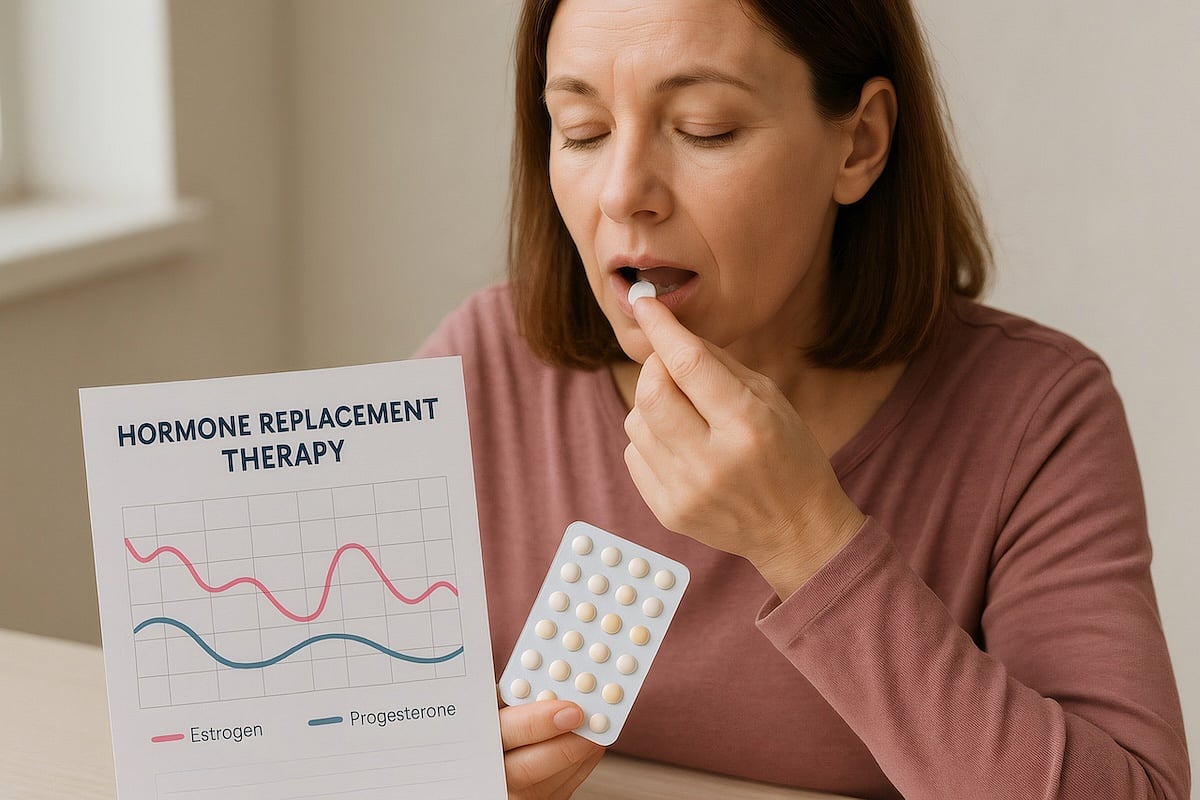 Oral Menopausal Hormone Therapy Linked to Venous Thromboembolic Risk
  Exercise Intervention Linked to Improved Attention, Memory in Breast Cancer
  Functional Decline Precedes Cardiovascular Disease Events by Many Years
  Midlife Employment Instability Linked to Later Cognitive Deficits
  Older Adults Limit Movements With Rising Temperatures
  Socioeconomic Inequalities Tied to Functional Aging
  Ultra-Endurance Running Accelerates Red Blood Cell Aging
  Shingles Vaccination May Promote Healthy Aging
.jpg)



