


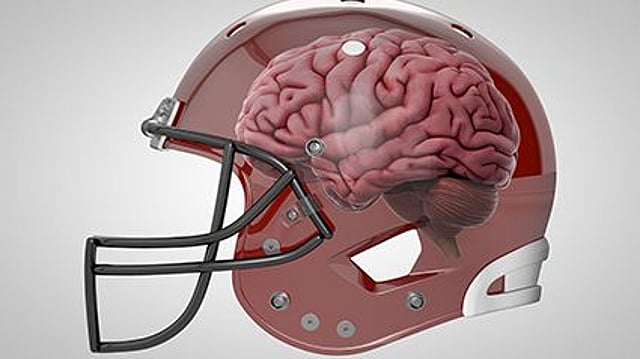
Diagnosis of TES requires exposure to repetitive head injury, core features of cognitive impairment/neurobehavioral dysregulation
TUESDAY, April 13, 2021 (HealthDay News) — With the support of experts from the Uniformed Services University, diagnostic criteria have been developed for traumatic encephalopathy syndrome (TES), the clinical disorder associated with neuropathologically diagnosed chronic traumatic encephalopathy (CTE); the new consensus diagnostic criteria were published online March 15 in Neurology.
Douglas I. Katz, M.D., from the Boston University School of Medicine, and colleagues developed evidence-informed, expert consensus research diagnostic criteria for TES. Evidence was reviewed from all published cases of CTE with neuropathological confirmation; predictive validity data on clinical features in relation to CTE pathology were examined from a large clinicopathologic study (298 cases).
The authors note that a diagnosis of TES requires considerable exposure to repetitive head impacts (RHI) from contact sports, military service, or other causes; core clinical features of cognitive impairment and/or neurobehavioral dysregulation; and a progressive course. It also requires that these features are not fully accounted for by any other neurologic, psychiatric, or medical condition. Individuals meeting these criteria are graded for functional dependence on five levels, from independent to severe dementia. Based on specific RHI exposure thresholds, core clinical features, functional status, and additional supportive features (e.g., delayed onset, motor signs, and psychiatric features), a provisional level of certainty for CTE pathology is determined.
“The criteria are meant for use in research settings to facilitate investigations into the clinical features associated with CTE pathology and to fill other knowledge gaps, including the development of biomarkers for antemortem diagnosis of CTE,” the authors write.
Several authors disclosed financial ties to the biopharmaceutical industry; one author served as an expert witness in legal cases involving brain injury and concussion; one author holds a patent relating to Alzheimer disease.
Abstract/Full Text (subscription or payment may be required)
 Lower Vertebral Bone Mineral Density Linked to Cognitive Decline
  Insomnia Linked to Increased Risk for Stroke, Odds of Admission
  Increased Dementia Risk Seen After Transient Ischemic Attack
  Nearly 3 in 4 Older Adults Express Interest in Vaccine to Prevent Dementia
  Lower Cognitive Functioning During 60s Linked to Subsequent Stroke Risk
  Nearly 1 in 10 Older Adults Used Cannabis in the Past Year
  Polypharmacy of Prescription Medications Increased for U.S. Older Adults
  Pharmacist-Led Med Review Improves Medication Quality in Older Patients With Cancer


.jpg)

