


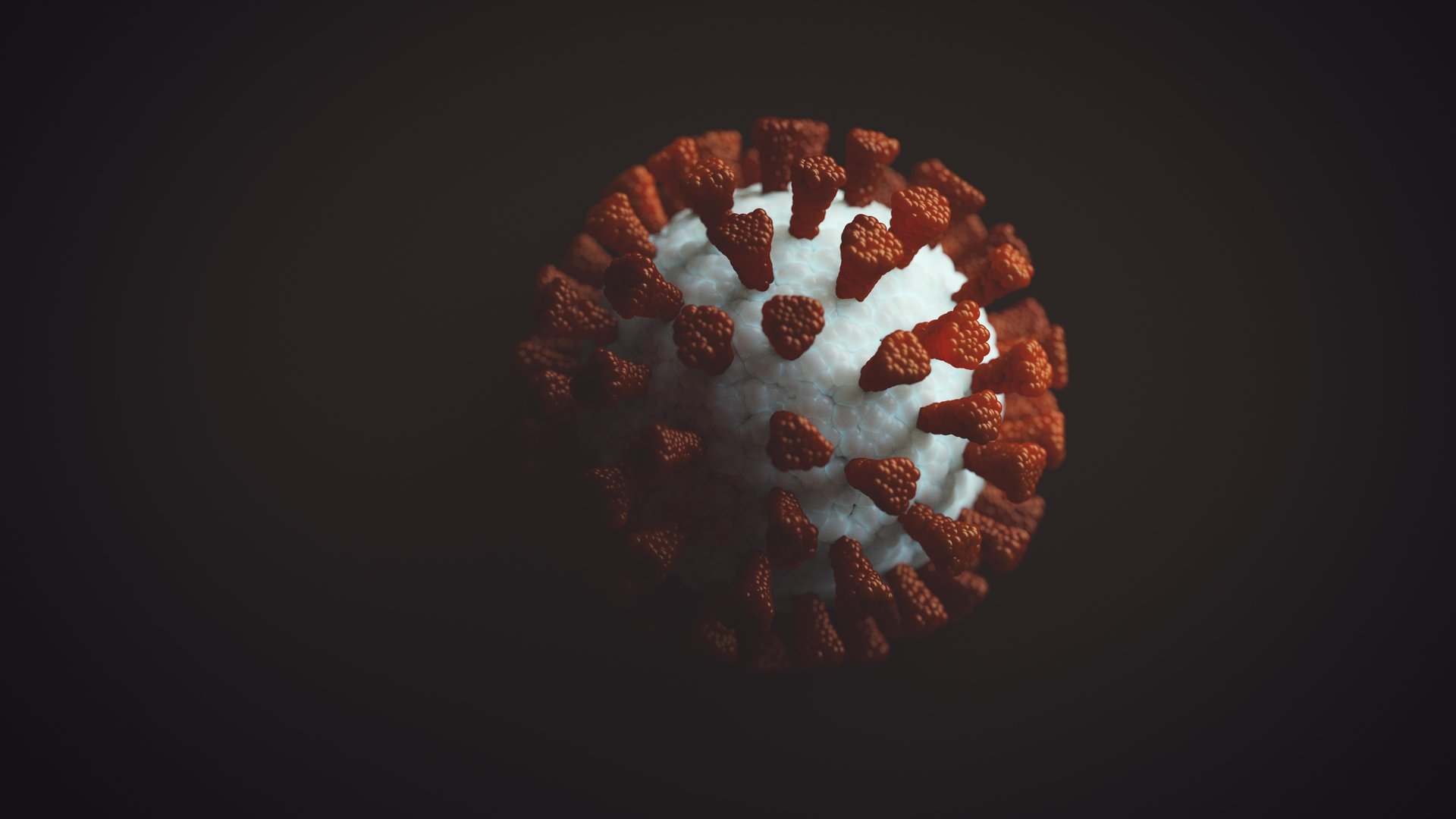
New mutation — BA.2.75 — has been detected in 10 other countries, including Australia, Germany, the United Kingdom, and Canada
MONDAY, July 11, 2022 (HealthDay News) — As the coronavirus continues to evolve, a new highly contagious omicron variant is appearing in India and other nations, including the United States, experts say.
This new mutation — dubbed BA.2.75 — is concerning scientists because it appears to spread fast, bypassing the protection offered by COVID-19 vaccines and immunity from previous infection, the Associated Press reported Monday. But whether it can cause more serious disease than other forms of COVID-19 is not clear, the experts said.
“It’s still really early on for us to draw too many conclusions,” Matthew Binnicker, Ph.D., director of clinical virology at the Mayo Clinic in Rochester, Minnesota, told the AP. “But it does look like, especially in India, the rates of transmission are showing kind of that exponential increase.”
Shishi Luo, Ph.D., is head of infectious diseases for the company Helix, which supplies viral sequencing information to the U.S. Centers for Disease Control and Prevention. Luo told the AP that seeing this new variant popping up around the world “is an early indication it is spreading.”
In addition to India and three recent cases in the United States, BA.2.75 has been detected in 10 other countries, including Australia, Germany, the United Kingdom, and Canada.
Experts worry that this variant can more easily bind to cells and evade the body’s protective antibodies. But vaccines and boosters are still the best defense against severe COVID-19, the news report noted. Reformulated vaccines that target more recent omicron variants should be available in the United States this fall.
 ~16 Percent of COVID Cases Develop Postacute Sequelae of SARS-CoV-2
  Parts of the World Seeing New COVID-19 Variant
  HHS, NIH Unveil Vaccine Initiative to Protect Against Future Pandemics
  Hospital-Onset SARS-CoV-2 Infection During Omicron Linked to Morbidity
  Staffing, Scheduling, and Wage Changes Could Reattract Nurses Back to Hospitals
  Skilled Nursing Facility Capacity Declined Between 2019 and 2024
  Physical Design of Critical Care Units Influences Nursing Culture
  Low Capability Pediatric Hospitals More Than Doubled From 2003 to 2022




