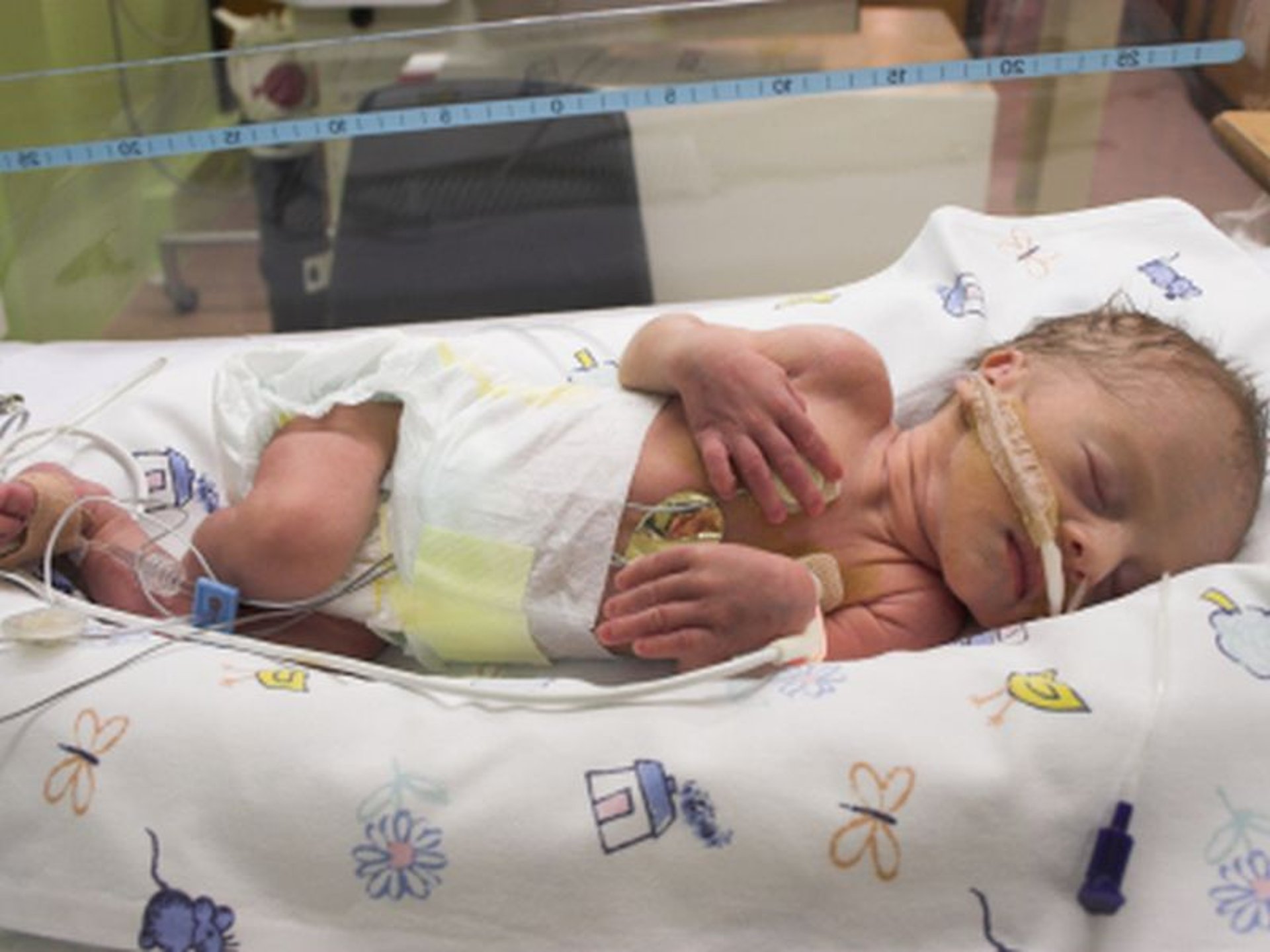
 Moderate, high sustained prenatal antidepressant use associated with increased risk for preterm birth
MONDAY, June 8, 2020 (HealthDay News) — Risk for newborn respiratory distress increases in a dose-response manner in association with maternal use of prenatal antidepressants, according to a study published online June 8 in Pediatrics.
Gretchen Bandoli, Ph.D., from the University of California San Diego in La Jolla, and colleagues identified 226,932 singleton deliveries from OptumLabs Data Warehouse to estimate the risk for neonatal outcomes from patterns of prenatal antidepressant use.
A total of 15,041 pregnancies (6.6 percent) were exposed to an antidepressant. Use patterns were classified as low use with first-trimester reduction, low sustained use, moderate use with first-trimester reduction, moderate sustained use, and high sustained use. The researchers found that the risk for major cardiac malformations was increased with moderate sustained use; when compared with depression or anxiety reference groups, the results included the null. Moderate and high sustained trajectories were associated with an increased risk for preterm birth (adjusted risk ratios, 1.31 and 1.78, respectively). The risk for neonatal respiratory distress was increased with all four trajectories in a dose-response manner (adjusted risk ratios, 1.36 to 2.23) compared with the lowest trajectory as the reference group.
“Our findings support the continued use of the methodology to further delineate risk by different patterns of antidepressant use,” the authors write. “This approach can help clinicians counsel pregnant women on the use of antidepressants during gestation.”
 IBD Not Linked to Risk for Hypertensive Disorders of Pregnancy Overall
  Maternal Vitamin D Status Linked to Preterm Delivery
  Mom"s Poor Sleep in Late Pregnancy Linked to Offspring"s Obesity Risk in Early Childhood
  High Intake of Eggs, Peanuts in Pregnancy Does Not Lower Allergy Risk
  Altered Markers of Ovarian Development Seen With Fetal Acetaminophen Exposure
  Distinct Skin Microbiome Features Emerge Before Atopic Disease Onset in Infants
 .jpg) Pregnancy Complications Rare for Women Receiving CAR T-Cell Therapy
Pregnancy Complications Rare for Women Receiving CAR T-Cell Therapy  Higher Parental Vitamin B12 Tied to Lower Prevalence of Birth Defects