


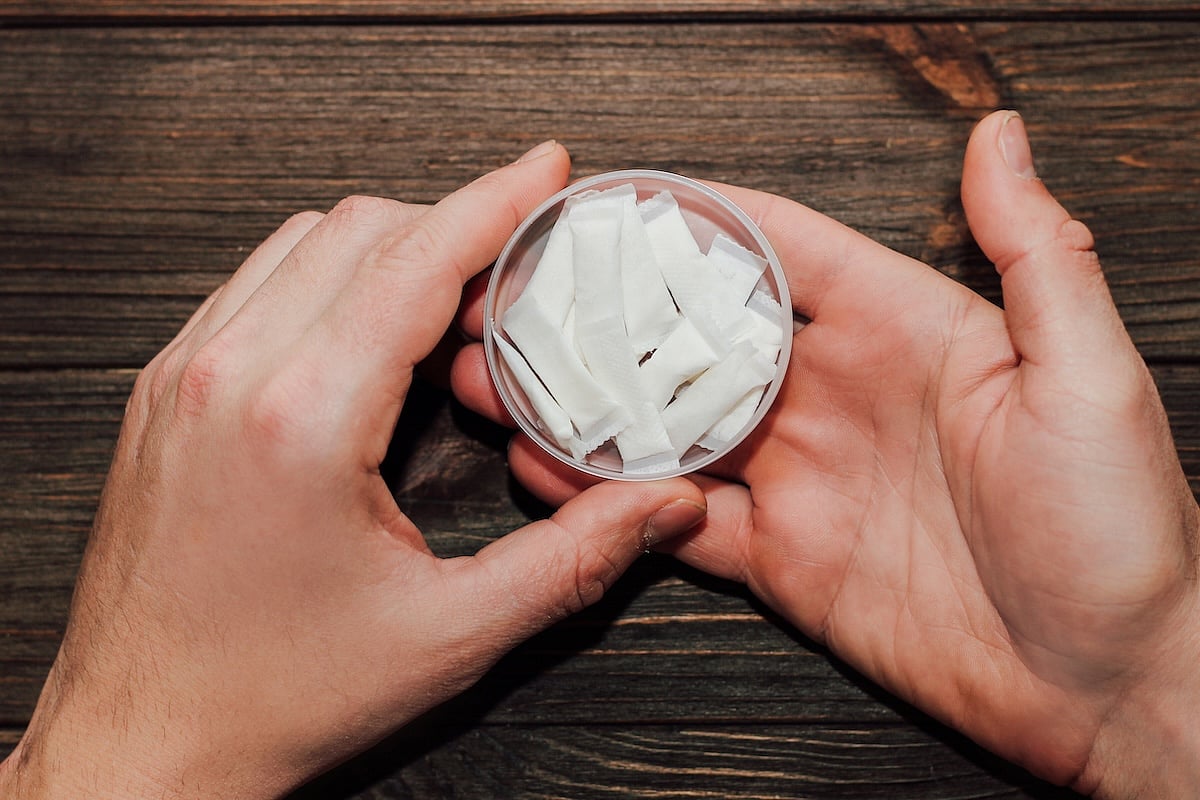
Non-Hispanic White men the most likely to report having used the product
TUESDAY, Sept. 16, 2025 (HealthDay News) — The percentage of U.S. adults using nicotine pouches remains low, according to a research letter published online Sept. 8 in JAMA Network Open.
Cristine D. Delnevo, Ph.D., M.P.H., from Rutgers University in New Brunswick, New Jersey, and colleagues used data from the 2022 to 2023 Tobacco Use Supplement to the Current Population Survey to better understand nicotine pouch use among adults. The analysis included data from 110,084 adult self-respondents.
The researchers found that the prevalence of ever (weighted percentage, 2.65 percent), current (weighted percentage, 0.42 percent), and daily (weighted percentage, 0.18 percent) use of nicotine pouches was low. A significantly higher prevalence was seen for adults who were male and non-Hispanic White. Among tobacco-naive adults, ever, current, and daily use was virtually nonexistent. Current and daily use of nicotine pouches was highest among adults who recently quit another product.
“Our results suggest that adults may be using nicotine pouches for harm reduction given that use is highest among those that have recently quit another tobacco product or e-cigarettes,” Delnevo said in a statement. “We should always keep a watchful eye on youth tobacco-use behaviors, including use of multiple products, substitution with other products, or alternative methods of finding and using flavored tobacco and nicotine products.”
One author reported serving as a special government employee (chair of the U.S. Food and Drug Administration Tobacco Product Scientific Advisory Board) outside the submitted work.
 Financial Incentives Boost Tobacco Abstinence in Underserved Adults
  Nearly 3 in 4 Older Adults Express Interest in Vaccine to Prevent Dementia
  People With Autism Have Shorter Life Expectancy
  Acute Myeloid Leukemia Increasingly Impacting Older Adults Globally
  Lower Cognitive Functioning During 60s Linked to Subsequent Stroke Risk
  Nearly 1 in 10 Older Adults Used Cannabis in the Past Year
  Polypharmacy of Prescription Medications Increased for U.S. Older Adults
  Childhood Cancer Survivors Often Have Mental Distress in Adulthood


.jpg)

