


Model combining measurement of EN2 protein marker and levels of 10 genes in urine could reduce unnecessary biopsies
THURSDAY, May 13, 2021 (HealthDay News) — Integration of data from multiple, noninvasive biomarkers can improve risk assessment of patients with a clinical suspicion of prostate cancer prior to an invasive biopsy, according to a study published online April 27 in Cancers.
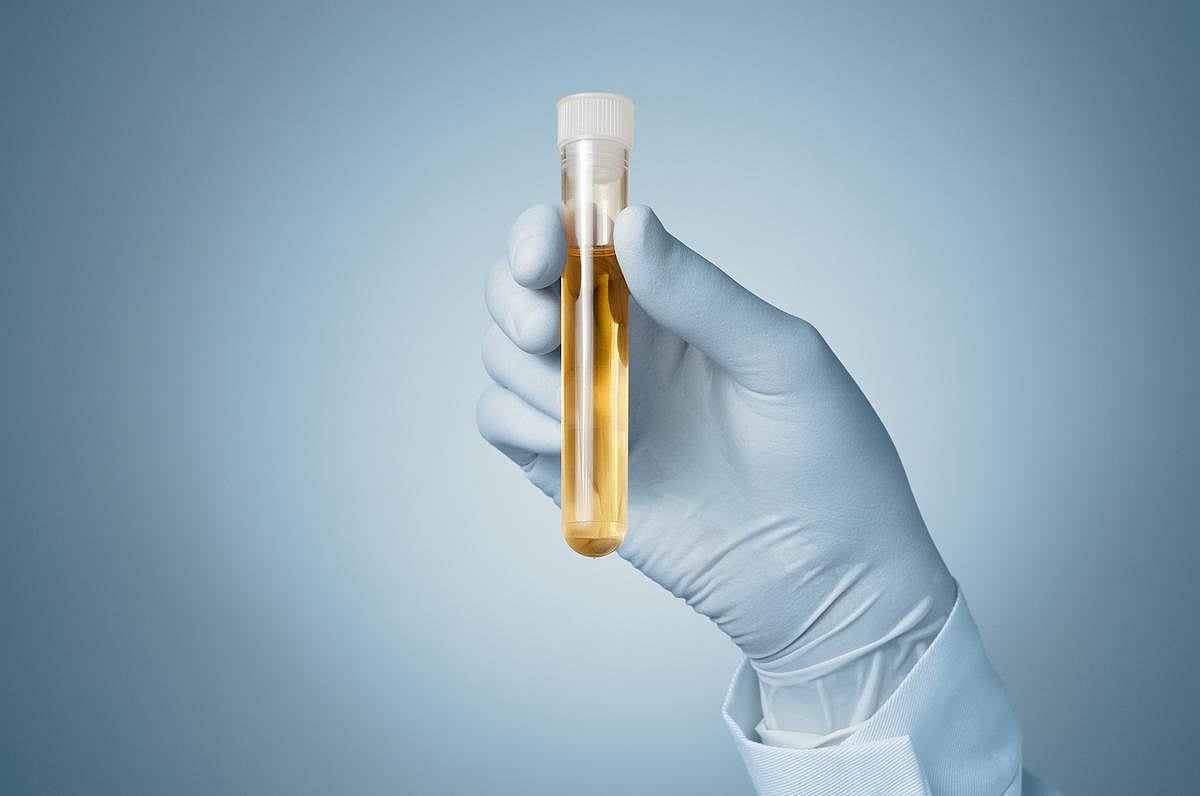
Shea P. Connell, from Norwich Medical School at the University of East Anglia in the United Kingdom, and colleagues developed a multivariable risk model (ExoGrail) for the noninvasive detection of prostate cancer prior to biopsy that integrates information from clinically available parameters, Engrailed-2 (EN2) whole-urine protein levels, and data from urinary cell-free RNA; 207 patients were included in the analyses.
The researchers reported that ExoGrail risk (range, 0 to 1) was able to determine the outcome of an initial transrectal ultrasound biopsy more accurately than clinical standards of care, predicting the presence of any cancer with an area under the curve (AUC) of 0.89 and discriminating more aggressive disease (Gleason ≥3 + 4) with an AUC of 0.84. For each 0.1 ExoGrail increase, the likelihood of more aggressive disease being detected significantly increased (odds ratio, 2.21). Compared with the current standard of care, decision curve analysis of the net benefit of ExoGrail showed the potential to reduce the numbers of unnecessary biopsies by 35 percent.
“Discriminating disease status in patients before a diagnostic biopsy with higher accuracy than current standards could bring about a sizeable change in treatment pathways and reduce the number of men sent forward for ultimately unnecessary biopsy,” the authors write.
A patent application has been filed by the authors for the present work and work related to this.
 Urine Cell-Free RNA Shows Promise as Biomarker for Bladder Cancer
  Pre-Prostate Biopsy MRI Use Increased From 2017 to 2026
  Age-, Joint-Specific Ultrasound Reference Values Set for Healthy Joints
  Retinal Imaging Can ID Atrial Fibrillation Years Before Diagnosis
  U.S. Adults May Not Understand Their Risk for Vascular Disease
  NOACs Linked to Slower Cognitive Decline in Patients With A-Fib, Alzheimer Disease
  Machine Learning Model IDs Heart Failure With Reduced Ejection Fraction Using Routine Lab Indicators
  Addition of CAC to PREVENT-ASCVD Equations May Improve Predictive Utility in Certain Patients
 .jpg)



