



Hemoglobin A1C may be lowered by interventions addressing food, education, housing
FRIDAY, July 8, 2022 (HealthDay News) — Addressing the social determinants of health may improve diabetes outcomes, according to a review published in the July issue of Health Affairs.
Leonard E. Egede, M.D., from the Medical College of Wisconsin in Milwaukee, and colleagues conducted a systematic literature review to identify studies evaluating nonmedical interventions (e.g., those targeting social determinants of health) to reduce risk and improve clinical outcomes for type 2 diabetes.
The researchers found that interventions with targeted, multicomponent designs that combine both medical and nonmedical approaches can reduce risk and improve clinical outcomes for type 2 diabetes. Food supplementation with referral and diabetes support; financial incentives with education and skills training; housing relocation with counseling support; and the integration of nonmedical interventions into medical care using the electronic medical record all were associated with significant improvement in hemoglobin A1C.
“Actionable strategies outlined in this article may be used as a guide to build that empirical foundation to improve clinical outcomes for adults with type 2 diabetes,” write the authors. “Multiple policy opportunities also exist that have the potential to target structural inequalities in health as pathways to decrease social risk and improve health outcomes for this segment of the U.S. population.”
Abstract/Full Text (subscription or payment may be required)
.jpg) Pregnancy Complications Linked to Subsequent Risk for Cardiometabolic-Renal Conditions
Pregnancy Complications Linked to Subsequent Risk for Cardiometabolic-Renal Conditions  GLP-1 Receptor Agonists, SGLT-2is Slow Renal Function Decline in T2D With Albuminuria
  Study IDs Risk Factors for Ketoacidosis in Adults With T2D Receiving SGLT2 Inhibitors
 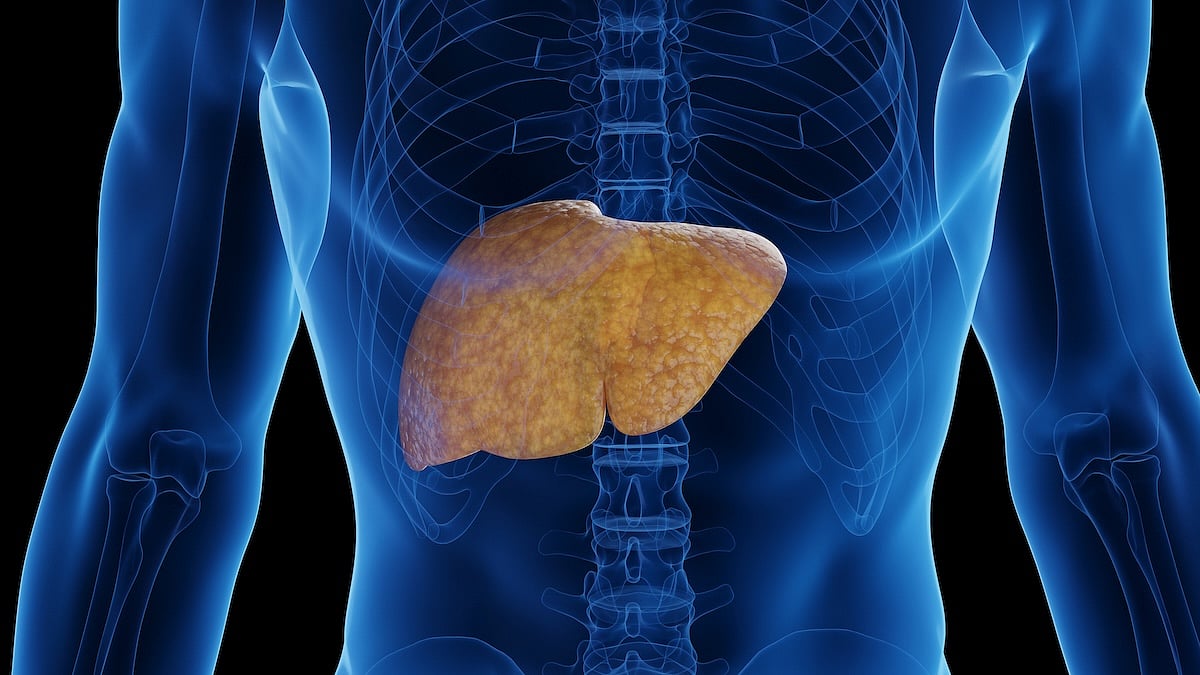 Genetics, Diabetes Tied to MASLD-Associated Cirrhosis Before Age 50
  Steatotic Liver Disease Risk Scores Compared for Predicting Cirrhosis
  Cirrhosis Can Recur After Liver Transplant
 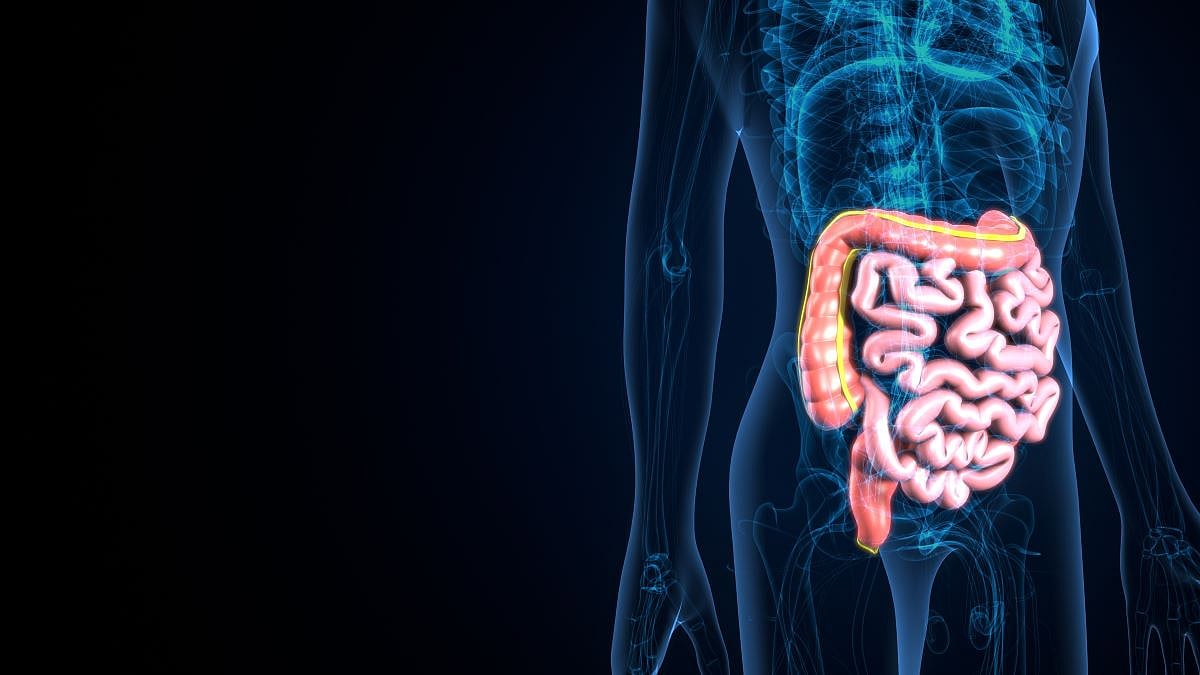 Family History of CRC Increases CRC Risk Similarly in IBD, General Population
 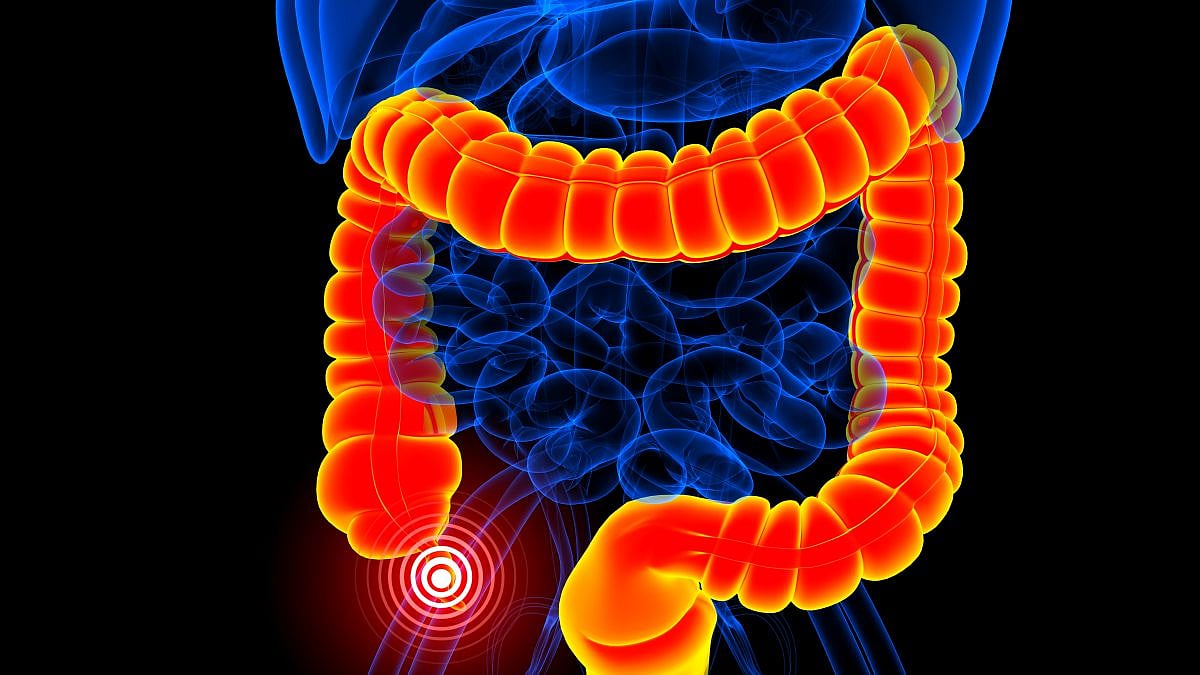 Relapse Rare After Appendiceal Adenocarcinoma Resection


.jpg)

