


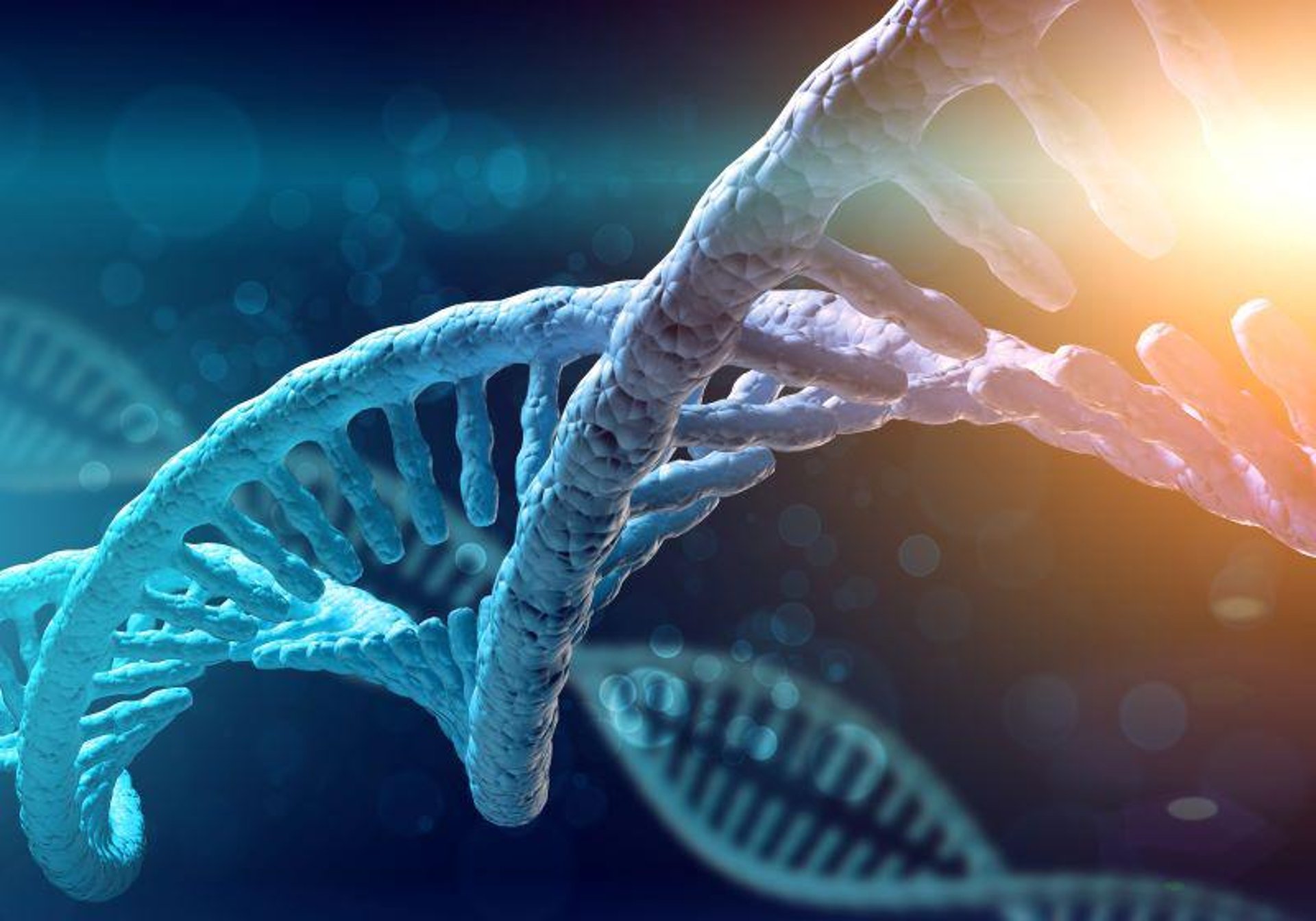
44 Hodgkin lymphoma variants identified in 28 pedigrees, including newly identified splice variant in KDR
FRIDAY, Sept. 30, 2022 (HealthDay News) — Novel coding and noncoding gene variants have been identified that may increase the risk for developing Hodgkin lymphoma (HL), according to a study published online Aug. 20 in Blood.
Jamie E. Flerlage, M.D., from St. Jude Research Hospital in Memphis, Tennessee, and colleagues performed whole-genome sequencing on 234 individuals with and without HL from 36 pedigrees with two or more first-degree relatives with HL. To identify coding and noncoding variants, a family-based segregation analysis was performed.
The researchers identified 44 HL risk variants in 28 pedigrees, of which 33 and 11 were coding and noncoding, respectively. The top four recurrent risk variants were a coding variant in KDR, a 5’UTR in KLHDC8B, and noncoding variants in an intron of PAX5 and in an intron of GATA3. For one pedigree, a newly identified splice variant in KDR and high confidence stopgain variants affecting IRF7 and EEF2KMT were seen. In three independent pedigrees, multiple truncating variants in POLR1E were observed.
“We married several existing tools as well as customized approaches to make a pipeline that could process data from these families in a meaningful way,” a coauthor said in a statement. “The work that went into making this pipeline is not specific to Hodgkin lymphoma; the pipeline can be used for any other disease where families are involved.”
Abstract/Full Text (subscription or payment may be required)
 Childhood Cancer Survivors Often Have Mental Distress in Adulthood
  Gene Mutation Identified That Increases Lung Cancer Risk
  Family History of CRC Increases CRC Risk Similarly in IBD, General Population
  Genetics, Diabetes Tied to MASLD-Associated Cirrhosis Before Age 50
  GLP-1 Receptor Agonists, SGLT-2is Slow Renal Function Decline in T2D With Albuminuria
  Steatotic Liver Disease Risk Scores Compared for Predicting Cirrhosis
  Cirrhosis Can Recur After Liver Transplant
  Study IDs Risk Factors for Ketoacidosis in Adults With T2D Receiving SGLT2 Inhibitors


.jpg)

