


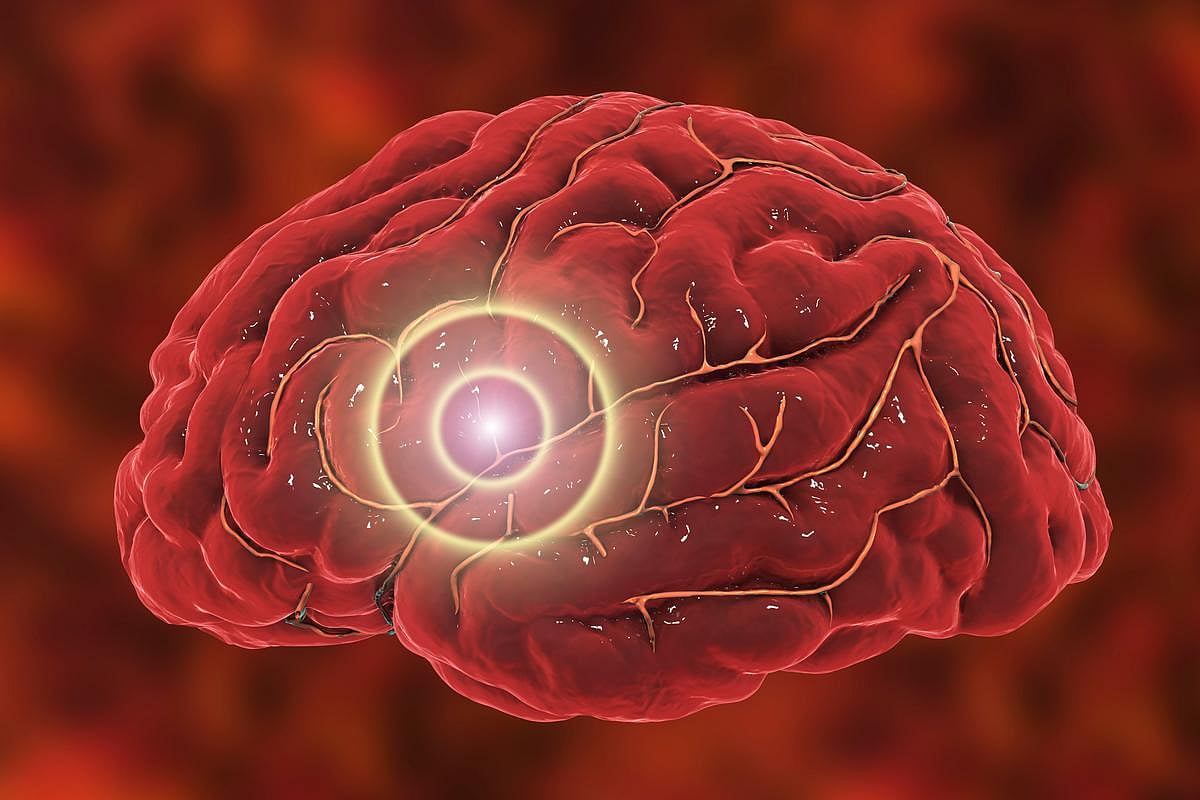
Odds of stroke lowest for those who had recently immigrated, with adjusted odds ratio of 0.27 for <15 years
THURSDAY, July 16, 2026 (HealthDay News) — Individuals who identify as Black who are immigrants to the United States have reduced odds of stroke, with the lowest odds seen for those who have immigrated recently, according to a study published online July 15 in Neurology.
Alejandro Vargas, M.D., from the Rush University Medical Center in Chicago, and colleagues examined stroke prevalence among 64,717 individuals who identified as Black in the 2000 to 2018 National Health Interview Survey. Respondents were stratified according to age (25 to 55 or 56 to 74 years) and by birth location (United States; Caribbean, South, and Central America [CSCA]; and Africa).
Overall, 88.3, 8.0, and 3.7 percent of the respondents who identified as Black were born in the United States, CSCA, and Africa, respectively. The researchers found that stroke prevalence was 4.3, 1.5, and 0.8 percent, respectively. The odds of stroke were lower for foreign-born individuals (adjusted odds ratios, 0.44 and 0.39 for CSCA and Africa, respectively). The lowest odds of stroke were seen for those who had immigrated recently at the time of the survey (adjusted odds ratio, 0.27 for <15 years).
“Our study suggests a healthy immigrant effect in which recent immigrants are healthier than the general population,” Vargas said in a statement. “This may be due to differences in stroke risk factors such as high blood pressure or stress. Grouping all racial and ethnic populations together can hide important health trends and hinder efforts to create targeted interventions.”
Abstract/Full Text (subscription or payment may be required)
 Pre-Prostate Biopsy MRI Use Increased From 2017 to 2026
  Lower Cognitive Functioning During 60s Linked to Subsequent Stroke Risk
  Insomnia Linked to Increased Risk for Stroke, Odds of Admission
  Increased Dementia Risk Seen After Transient Ischemic Attack
  Incidence of Stroke Increasing Among Young Adults
  Nearly 3 in 4 Older Adults Express Interest in Vaccine to Prevent Dementia
  Voice Disorders Linked to Elevated Risk for Incident Cognitive Decline
.jpg)



