


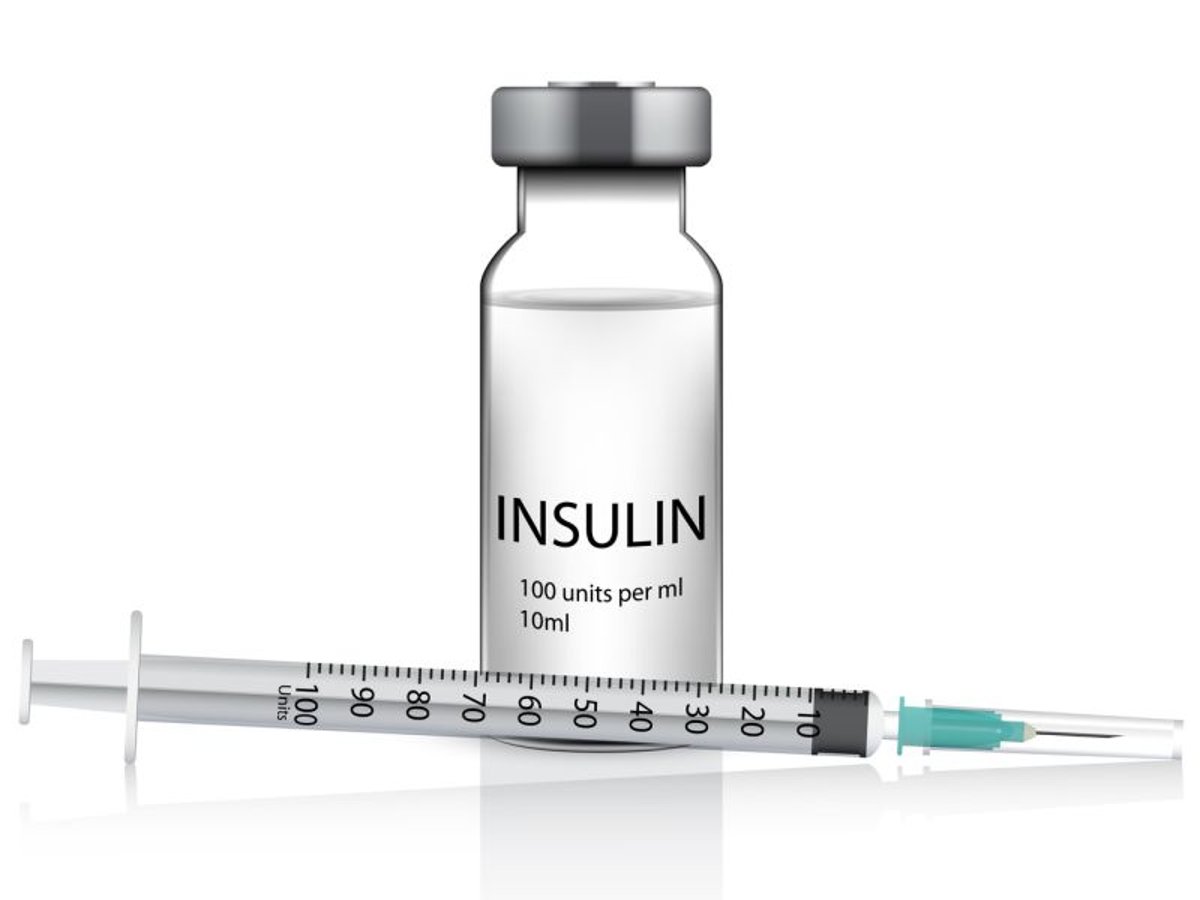
 In phase 2 study, glucose-lowering efficacy, safety profile similar to once-daily insulin glargine U100
FRIDAY, Sept. 25, 2020 (HealthDay News) — For patients with type 2 diabetes, once-weekly insulin icodec has glucose-lowering efficacy comparable to once-daily insulin glargine, according to a study published online Sept. 22 in the New England Journal of Medicine to coincide with the European Association for the Study of Diabetes, held virtually from Sept. 21 to 25.
Julio Rosenstock, M.D., from the Dallas Diabetes Research Center, and colleagues conducted a 26-week phase 2 trial to examine the efficacy and safety of once-weekly insulin icodec versus once-daily insulin glargine U100 in 247 patients who had not previously received insulin and whose type 2 diabetes was inadequately controlled with oral medication.
The researchers found that the estimated mean change from baseline was −1.33 and −1.15 percentage points in the glycated hemoglobin levels in the icodec and glargine groups, respectively, to estimated means of 6.69 and 6.87 percent at week 26, with an estimated between-group difference of −0.18 percentage points (95 percent confidence interval, −0.38 to 0.02; P = 0.08). There were low observed rates of hypoglycemia with severity of levels 2 or 3 (0.53 versus 0.46 events per patient-year for the icodec versus glargine group; estimated rate ratio, 1.09; 95 percent confidence interval, 0.45 to 2.65). No between-group difference was observed in insulin-related key adverse events.
“The findings in the present trial suggest that once-weekly insulin has the potential to facilitate insulin management, providing clinical benefits and reducing the number of injections per year from 365 to 52,” the authors write.
The study was funded by Novo Nordisk, the manufacturer of insulin icodec.
Abstract/Full Text (subscription or payment may be required)
More Information
.jpg) Most Specialty Oral Anticancer Meds for Blood Cancers Are Initially Rejected by Insurers
Most Specialty Oral Anticancer Meds for Blood Cancers Are Initially Rejected by Insurers  Gap Found Between Awareness of Breast Cancer Risk and Risk-Reducing Behavior
  Personalized Support Boosts Families" Genetic Testing for Hereditary Cancers
  Urine Cell-Free RNA Shows Promise as Biomarker for Bladder Cancer
  Pre-Prostate Biopsy MRI Use Increased From 2017 to 2026
  ASTRO Issues Guidance for Use of Radiation Therapy in Bladder Cancer
 .jpeg) Higher Intake of Saturated, Animal Fats May Increase Mortality in Prostate Cancer
Higher Intake of Saturated, Animal Fats May Increase Mortality in Prostate Cancer  Adverse Pathological Features Do Not Predict Benefit of Hormone Therapy in Prostate Cancer




