


 Incremental cost-effectiveness ratio varies across clinical risk groups, sensitive to patient age
TUESDAY, Feb. 19, 2019 (HealthDay News) — The multigene expression test Oncotype DX (ODX) is not cost-effective for women with breast cancer who are at low risk for recurrence, according to research published online Jan. 22 in the Journal of the National Comprehensive Cancer Network.
Shi-Yi Wang, M.D., Ph.D., from the Yale University School of Public Health in New Haven, Connecticut, and colleagues created models to calculate costs and quality-adjusted life-years (QALYs) gained over the lifetime for women with estrogen receptor (ER)-positive, human epidermal growth factor receptor 2-negative, lymph node-negative breast cancer. Data from the Connecticut Tumor Registry were used to identify 2,245 patients diagnosed from 2011 through 2013. These patients were classified into three clinical risk groups based on the PREDICT risk calculator.
The researchers found that approximately 82.5 percent of patients were low-risk, 11.9 percent were intermediate-risk, and 5.6 percent were high-risk. For all risk groups, ODX had an incremental cost-effectiveness ratio (ICER) of $62,200 per QALY for patients aged 60 years. However, ICERs varied across clinical risk groups and ranged from $124,600 per QALY in the low-risk group to $28,700 per QALY in the intermediate-risk group and $15,700 per QALY in the high-risk group. Further, ICER was sensitive to patient age; for patients aged 45 to 75 years, it ranged from $77,100 to $344,600 per QALY in the PREDICT low-risk group and was lower than $100,000 per QALY in the intermediate-risk and high-risk groups.
“ODX is not cost-effective for women with clinical low-risk breast cancer, which constitutes most patients with ER-positive disease,” the authors write.
Several authors disclosed financial ties to pharmaceutical and medical device companies.
 Gap Found Between Awareness of Breast Cancer Risk and Risk-Reducing Behavior
 Exercise Intervention Linked to Improved Attention, Memory in Breast Cancer
 Dense Breast Notification Linked to Increase in Use of Supplemental Ultrasound
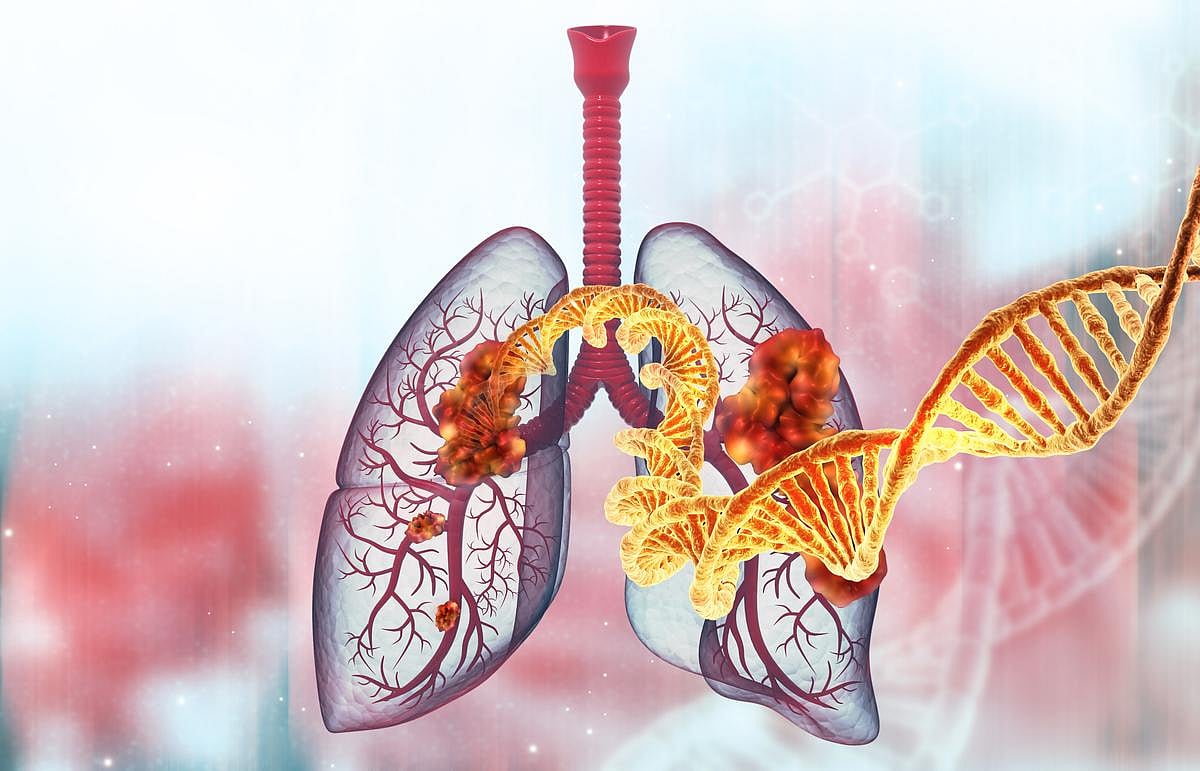 Gene Mutation Identified That Increases Lung Cancer Risk
 Family History of CRC Increases CRC Risk Similarly in IBD, General Population
 Relapse Rare After Appendiceal Adenocarcinoma Resection
 Distinct Skin Microbiome Features Emerge Before Atopic Disease Onset in Infants
 Thymic Radiation Linked to Worse Outcomes in Patients With NSCLC
.jpg)




