


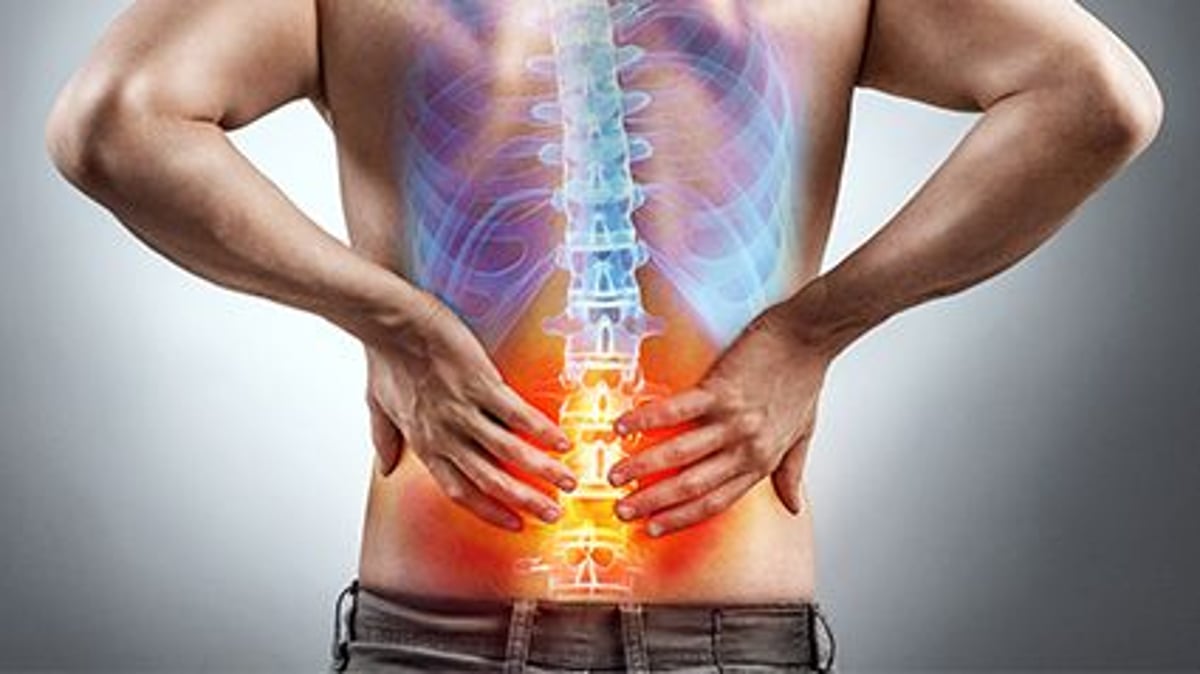
Odds of achieving minimal clinical important difference increased 3.04-fold for care concordant with evidence-based medicine
WEDNESDAY, March 17, 2021 (HealthDay News) — For patients undergoing elective lumbar fusion, evidence-based medicine (EBM) guideline concordance is associated with improved outcomes, according to a study published online March 17 in Neurosurgery.
James Harrop, M.D., from Thomas Jefferson University Hospital in Philadelphia, and colleagues evaluated and categorized elective lumbar fusion cases from March 2018 to August 2019 based on concordance with EBM guidelines for surgical indications. Three hundred twenty-five lumbar fusion patients were included; 309 had six-month follow-up data available.
The researchers found that the median preoperative Oswestry Disability Index (ODI) score was 24.4, and median six-month improvement was 7.0 points. Based on the ODI scores, 79.6, 3.8, and 16 percent improved, had no change, and worsened, respectively. ODI improvement reaching the minimal clinically important difference (MCID) occurred in 191 patients. Of the cases, 93.2 and 6.7 percent were EBM-concordant and not concordant, respectively. There were significant associations seen for EBM concordance, lower preoperative ODI, lower American Society of Anesthesiologists class, and primary surgeries with improved functional outcome in a multivariate analysis. The odds of achieving MCID in ODI improvement at six months were increased in association with EBM concordance (odds ratio, 3.04) after adjustment for other factors.
“The data presented in this study illustrates that better functional outcomes were achieved when surgeons followed evidence-based lumbar fusion criteria,” the authors write.
Abstract/Full Text (subscription or payment may be required)
 Implant, Patient Survival Do Not Differ for Robotic and Conventional Total Joint Replacement
  Physical Therapist-Supervised Exercise Improves Outcomes After ACL Reconstruction
  Chronic Migraines More Common in Women With Enlarged Breast Tissue
  Early Complications Common in Older Kidney Transplant Recipients
  GLP-1 Receptor Agonists, SGLT-2is Slow Renal Function Decline in T2D With Albuminuria
 .jpeg) 1997 to 2022 Saw Increase in Pediatric Hospitalizations With AKI
1997 to 2022 Saw Increase in Pediatric Hospitalizations With AKI  Frailty Linked to Incident Cognitive Decline in Men With CKD
  PET/MRI Offers Diagnostic, Prognostic Value in Pediatric Epilepsy

.jpg)


