


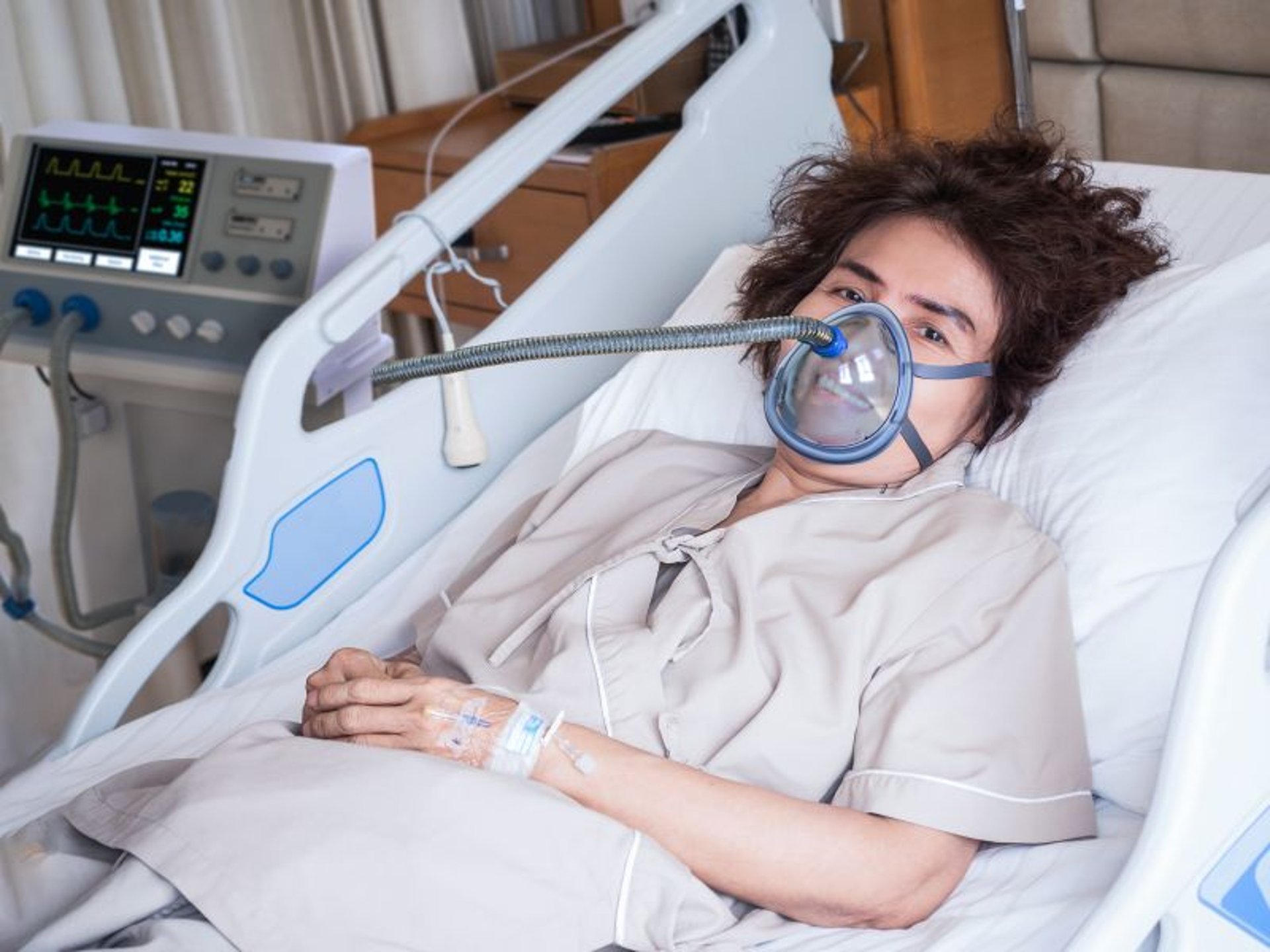
 Of the 54 patients receiving CPR who were included in the analysis, none survived to discharge
MONDAY, Sept. 28, 2020 (HealthDay News) — None of 54 patients hospitalized with COVID-19 with in-hospital cardiac arrest who underwent cardiopulmonary resuscitation (CPR) survived to discharge, according to a research letter published online Sept. 28 in JAMA Internal Medicine.
Shrinjaya B. Thapa, M.D., from the William Beaumont Hospital in Royal Oak, Michigan, and colleagues identified patients who underwent CPR for cardiac arrest among 1,309 patients with a diagnosis of COVD-19 admitted to Beaumont Health.
The researchers found that 60 of the patients (4.6 percent) developed in-hospital cardiac arrest and underwent CPR. Following exclusion of six patients for lack of documentation, 54 were included in further analysis. In 52 patients, the initial rhythm was unshockable, with 44 with pulseless electrical activity and eight with asystole (81.5 and 14.8 percent, respectively). None of the patients developed ventricular fibrillation and two developed pulseless ventricular tachycardia. Twenty-nine patients (53.7 percent) achieved return of spontaneous circulation (ROSC), with a median time to ROSC of eight minutes. Of those who achieved ROSC, 15 (51.7 percent) had their code status changed to do not resuscitate, while 14 were recoded, received additional CPR, and died. The overall median duration was 10 minutes for CPR. None of the patients survived to discharge.
“These outcomes warrant further investigation into the risks and benefits of performing prolonged CPR in this subset of patients, especially because the resuscitation process generates aerosols that may place health care personnel at a higher risk of contracting the virus,” the authors write.
Abstract/Full Text
Editorial (subscription or payment may be required)
 ~16 Percent of COVID Cases Develop Postacute Sequelae of SARS-CoV-2
  TV Programs Mischaracterize Who Likely Needs CPR and Where
  Guidance Updated for CPR and Emergency Cardiovascular Care
  Prevention of "Tongue Swallowing" in Resuscitation of Athletes Associated With Poor Prognosis
  Withdrawal From Medetomidine Increasingly Seen in ICUs
  Multicomponent Interventions Offer Little Impact on Fall Risk
  ED Visits for Gambling Disorder Spike After Canada Liberalizes Online Gambling
  Nearly 2 in 3 Poison Exposures in Young Children May Not Need the ED




