Findings show changes in specific regions of the brain
MONDAY, May 19, 2025 (HealthDay News) — Overwork in health care workers is associated with structural brain changes, particularly in regions linked to cognition and emotion, according to a study published online May 13 in Occupational & Environmental Medicine.
Wonpil Jang, Ph.D., from Yonsei University in Seoul, South Korea, and colleagues investigated the effects of overwork on brain structure. The analysis included voxel-based morphometry (VBM) and an atlas-based analysis of 110 health care workers (overworked [≥52 hours/week]: 32 workers; not overworked: 78 workers).
The researchers found that overworked individuals showed significant changes in brain regions associated with executive function and emotional regulation. In an atlas-based analysis, there was a 19 percent increase in left caudal middle frontal gyrus volume of the overworked group versus the nonoverworked group. In 17 regions, VBM showed peak increases, including in the middle frontal gyrus, insula, and superior temporal gyrus. There was a positive association between weekly working hours and brain volume changes in the middle frontal gyrus and insula.
“These findings provide novel neurobiological evidence linking prolonged working hours to structural brain changes, emphasizing the need for further research to understand the long-term cognitive and emotional implications of overwork,” the authors write.
 Therapist-Led Online Cognitive Behavioral Therapy Aids Depression
 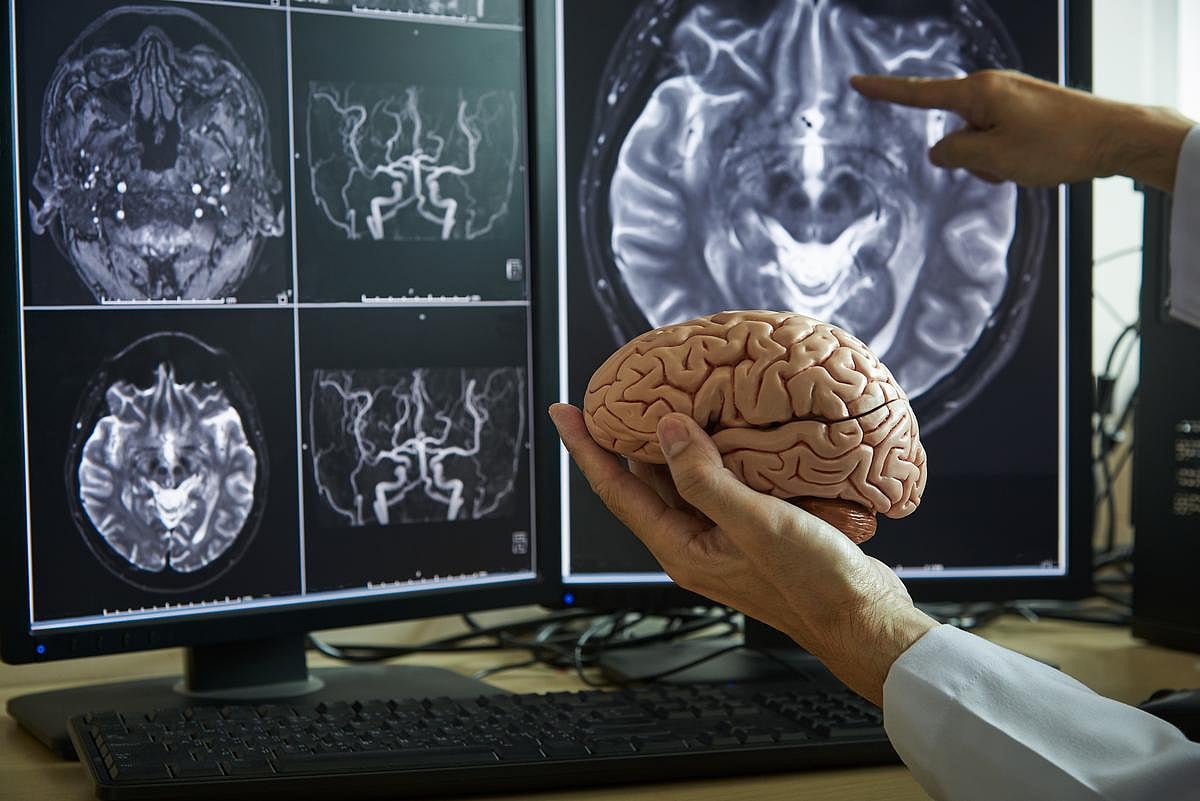 Brain Abnormalities Identified in Children at Risk for Schizophrenia
  Cortical Atrophy in Early-Onset Alzheimer Disease Signature Can Predict Progression to Dementia
  Extreme Heat Linked to 33 Clinically Reportable Diagnoses
  2011 to 2021 Saw Heart Failure-Related Hospitalization Rise in CKD
  Biomarkers Plus Kidney Donor Profile Index Improve Prediction of Concordant Allograft Outcomes
  Short-Term Pretransplant Dialysis Does Not Affect Kidney Transplant Outcomes
  Considerable Global Disparities Found in Access to Dermatological Care