


 Older age, longer diabetes duration, higher HbA1c tied to increased risk for pacemaker transplantation
WEDNESDAY, Sept. 16, 2020 (HealthDay News) — The need for pacemakers is higher among patients with type 2 diabetes than the general population, according to a study published online Sept. 4 in Diabetes Care.
Elina Rautio, from the Solna Karolinska Institutet in Stockholm, and colleagues used data from the Swedish National Diabetes Registry to identify 416,247 patients with type 2 diabetes plus 2,081,235 age- and sex-matched controls selected from the general population. The need for pacemaker implementation was compared between the two groups.
The researchers found that type 2 diabetes was associated with an increased need for pacemaker treatment (hazard ratio, 1.65), which remained significant (hazard ratio, 1.56) after adjusting for age, sex, educational level, marital status, country of birth, and coronary heart disease. Increasing age, hemoglobin A1c, body mass index, diabetes duration, and lipid- and blood pressure-lowering medication were risk factors for receiving a pacemaker.
“The medical community should therefore recognize that patients with type 2 diabetes comprise a high-risk group for developing bradyarrhythmias with a subsequent need for pacemaker treatment,” the authors write.
Abstract/Full Text (subscription or payment may be required)
.jpg) Pregnancy Complications Linked to Subsequent Risk for Cardiometabolic-Renal Conditions
Pregnancy Complications Linked to Subsequent Risk for Cardiometabolic-Renal Conditions  GLP-1 Receptor Agonists, SGLT-2is Slow Renal Function Decline in T2D With Albuminuria
 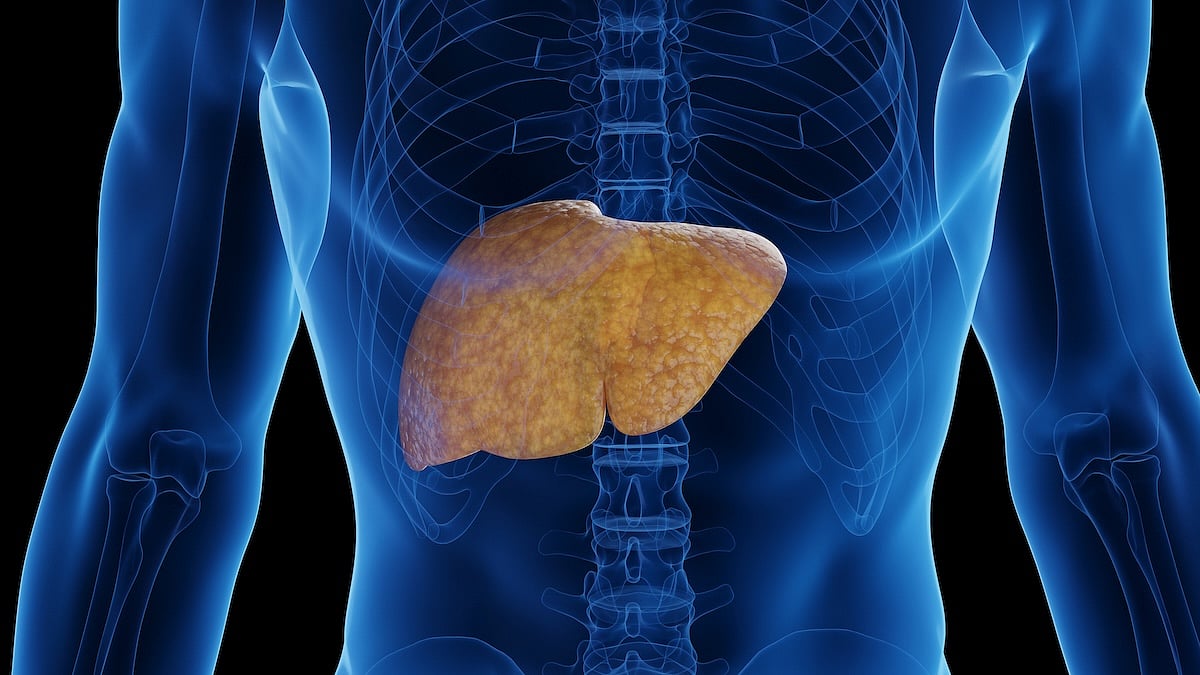 Genetics, Diabetes Tied to MASLD-Associated Cirrhosis Before Age 50
 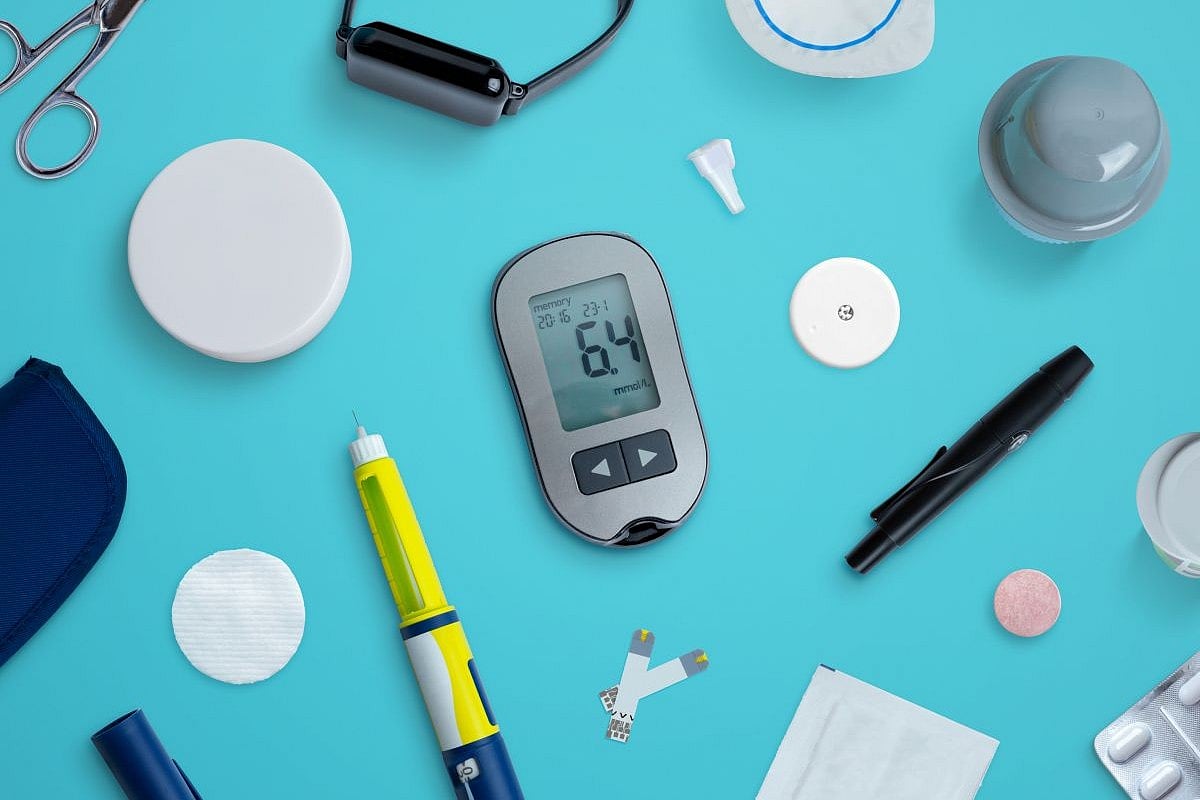 Study IDs Risk Factors for Ketoacidosis in Adults With T2D Receiving SGLT2 Inhibitors
 .jpg) Most Specialty Oral Anticancer Meds for Blood Cancers Are Initially Rejected by Insurers
Most Specialty Oral Anticancer Meds for Blood Cancers Are Initially Rejected by Insurers  Drug Interactions Reducing Contraceptive Effectiveness Common in Epilepsy
  Holding DMARDs at Time of COVID-19 Vaccine Not Warranted in Those With Inflammatory Arthritis
  1 in 3 With Lupus Take Supplements, Medications With Potential for Interactions


