


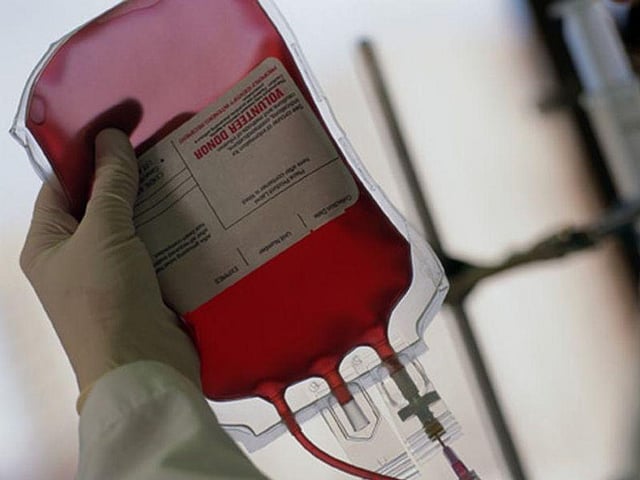
Absolute risk reduction of 6 percent seen for transfusions in hospitalized adults after implementation of PBM at large academic medical center
WEDNESDAY, Nov. 10, 2021 (HealthDay News) — Implementation of a comprehensive patient blood management (PBM) program may reduce use of transfusions in hospitalized adults without compromising clinical outcomes, according to a study published online Nov. 1 in the Mayo Clinic Proceedings.
Matthew A. Warner, M.D., from the Mayo Clinic in Rochester, Minnesota, and colleagues conducted an observational study of graduated PBM implementation for hospitalized adults from Jan. 1, 2010, through Dec. 31, 2017, at an academic medical center. Allogeneic transfusion utilization and clinical outcomes were examined over time through segmented regression. Data were included for 400,998 admissions.
The researchers found that during the study time frame, total allogeneic transfusions decreased from 607 to 405 per 1,000 admissions, corresponding to a 6 percent absolute risk reduction and a 22 percent decrease in the rate of transfusions over the projected rate. For all blood components except cryoprecipitate, the risk for transfusion decreased. Reductions in transfusions were seen for all major surgery types, apart from liver transplantation, which was stable over time. At the end of the study time frame, hospital length of stay (multiplicative increase in geometric mean, 0.85) and incident in-hospital adverse events (absolute risk reduction, 1.5 percent) were lower than projected.
“While creating a comprehensive program takes time, resources, and dedication, many aspects are easy to implement and can have a profound impact on transfusion utilization,” a coauthor said in a statement.
One author disclosed financial ties to the medical device and medical technology industries.
Abstract/Full Text (subscription or payment may be required)
 Ultrasound-Guided Hydrodissection Yields Improvements in Carpal Tunnel
  Nearly 1 in 5 Patients Report Exposure to Ophthalmic Treatments Perceived as Bogus
  Less Intraoperative Crystalloid Fluid Not Tied to Worse Surgical Outcomes
 .jpg) Mortality Lowest at Hemoglobin Concentrations Above WHO Thresholds
Mortality Lowest at Hemoglobin Concentrations Above WHO Thresholds .jpg) Most Specialty Oral Anticancer Meds for Blood Cancers Are Initially Rejected by Insurers
Most Specialty Oral Anticancer Meds for Blood Cancers Are Initially Rejected by Insurers  Personalized Support Boosts Families" Genetic Testing for Hereditary Cancers
  Lower Cognitive Functioning During 60s Linked to Subsequent Stroke Risk
 .jpg) Cancer Survivors Have Lower Levels of Physical Activity
Cancer Survivors Have Lower Levels of Physical Activity 



