


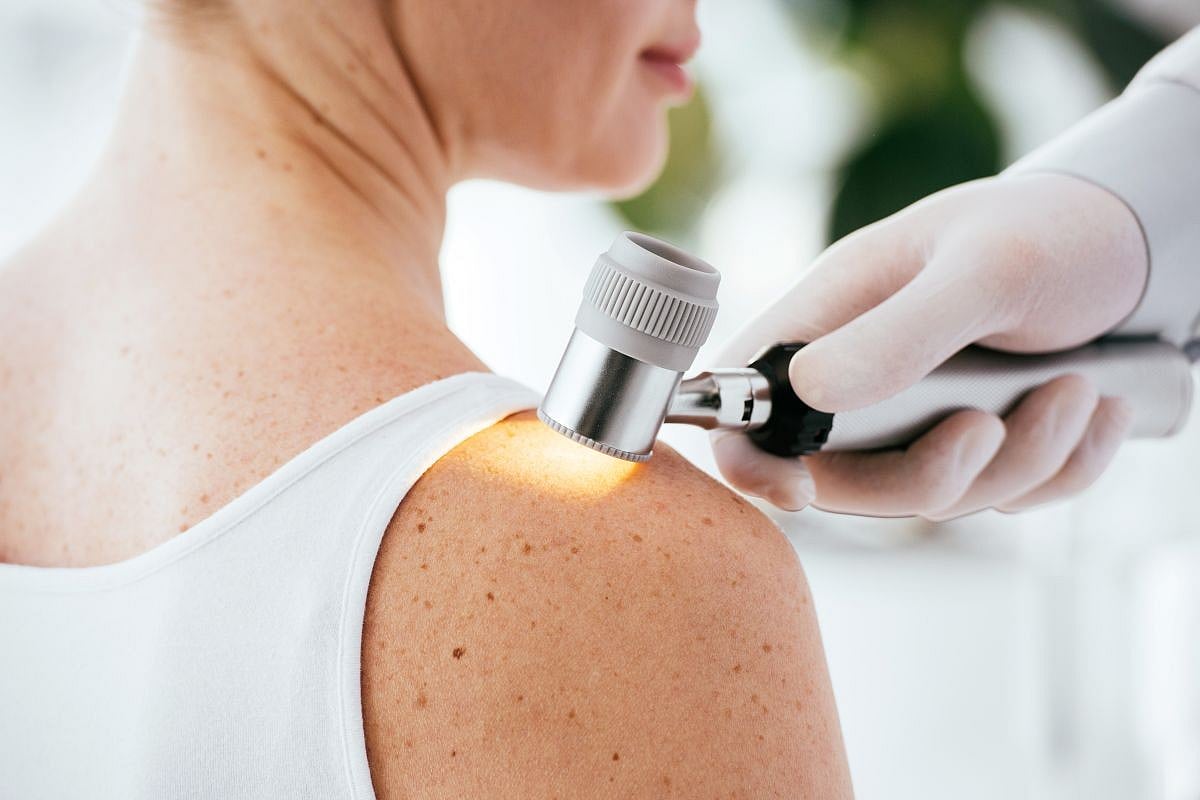
Physician skin examinations increase significantly more in those receiving education and physician activation
MONDAY, Aug. 17, 2026 (HealthDay News) — Remotely delivered interventions improve skin cancer screening among survivors of hematopoietic cell transplantation (HCT), according to a study published online Aug. 6 in the Journal of the National Comprehensive Cancer Network.
Saro H. Armenian, D.O., M.P.H., from the City of Hope in Duarte, California, and colleagues conducted a randomized controlled trial involving 720 adult survivors of HCT to examine adherence to skin self-examination (SSE) and annual physician skin examinations. Participants received remotely delivered print materials and 12 educational text messages over nine months (patient activation and education [PAE]). Providers also received educational materials and guidance on performing skin examinations in the PAE plus physician activation group (PAE + Phys).
The researchers found that in both groups, at 12 months, the proportion of participants reporting both physician skin examination and SSE increased, from 15.8 to 47.5 percent in the PAE group and from 18.0 to 52.1 percent in the PAE + Phys group (odds ratios, 4.98 and 5.49, respectively); no significant difference was seen between the groups. In both groups, SSE increased significantly, with no significant difference between the groups. Physician skin examinations increased from 32.1 to 55.3 percent and from 33.2 to 64.8 percent in the PAE and PAE + Phys groups, respectively, with a significantly greater increase seen in the PAE + Phys group. In both groups, the mean number of body regions examined more than doubled; significant improvements were observed in skin cancer knowledge and self-efficacy.
“One notable finding was how effective patient education alone was in increasing self-examination, even without intensive intervention,” Armenian said in a statement. “At the same time, the added benefit of physician activation specifically for clinical exams reinforces how critical provider education remains.”
Several authors disclosed ties to the biopharmaceutical industry.
 Urine Cell-Free RNA Shows Promise as Biomarker for Bladder Cancer
  Age-, Joint-Specific Ultrasound Reference Values Set for Healthy Joints
  Early Complications Common in Older Kidney Transplant Recipients
  Cirrhosis Can Recur After Liver Transplant
  Steatotic Liver Disease Risk Scores Compared for Predicting Cirrhosis
 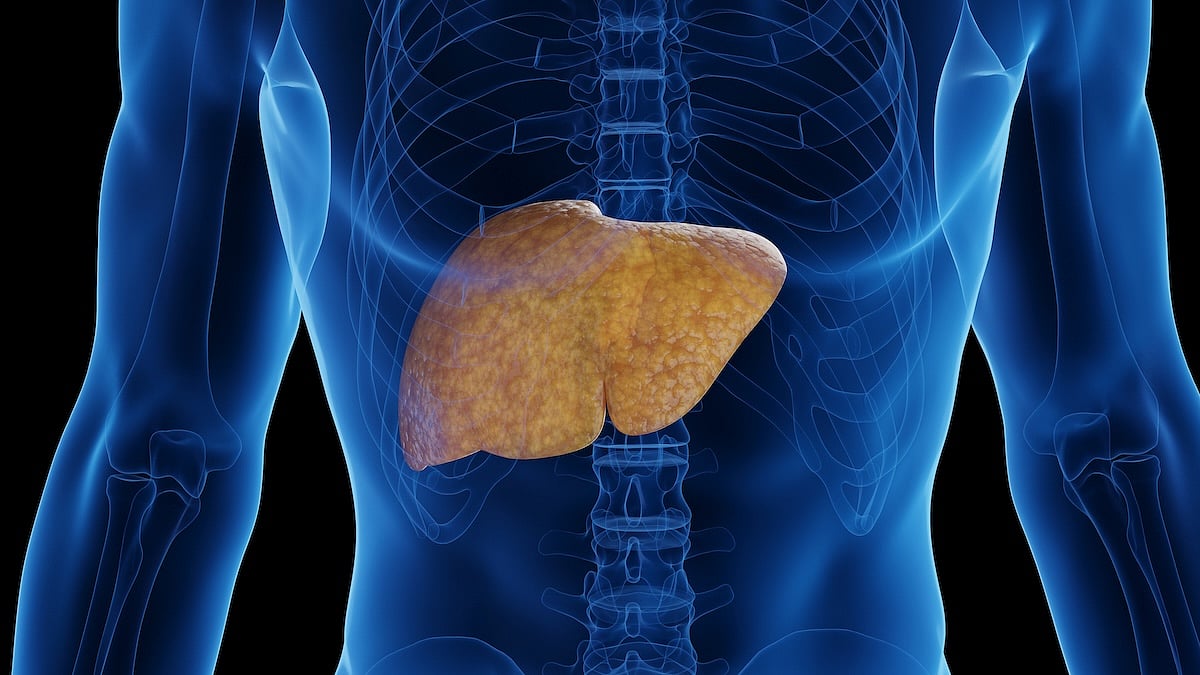 Genetics, Diabetes Tied to MASLD-Associated Cirrhosis Before Age 50
  Increase Seen in Rates of Xenobiotic-Induced Liver Injury From 2020 to 2024




.jpg)