


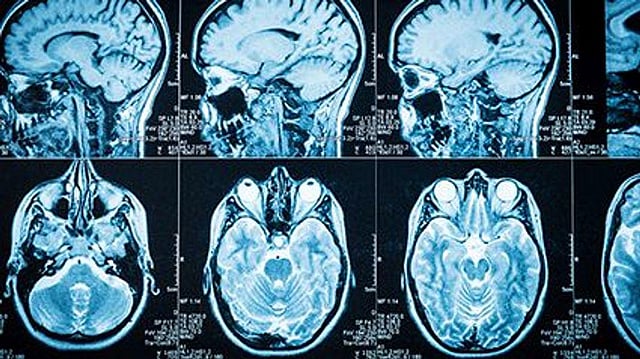
Half of patients are liable for some costs of secondary imaging interpretation, but only 17.1 percent made out-of-pocket payments
TUESDAY, Aug. 10, 2021 (HealthDay News) — Secondary interpretations of diagnostic imaging examinations result in small but real patient financial burdens, according to a study published online July 19 in the Journal of the American College of Radiology.
Sean P. Doyle, Ph.D., from the Emory University School of Medicine in Atlanta, and colleagues sought to identify patient and imaging study characteristics that correlate with higher patient bills and out-of-pocket payments. The analysis included data extracted for 7,740 secondary imaging interpretations performed over 25 months, including total professional charges, insurance payments, patient-billed liabilities, and patient out-of-pocket payments.
The researchers found that mean secondary interpretation professional charges, insurance payments, patient-billed liabilities, and patient out-of-pocket payments were $306.50, $108.02, $27.80, and $14.55, respectively. Bills were received by patients for 47.5 percent of services, and patients made out-of-pocket payments for 17.1 percent. Patients who were younger, uninsured, and seen in outpatient settings had higher patient-billed liabilities and out-of-pocket payments. In contrast, patient-billed liabilities and out-of-pocket payments were lower for patients who were Black (versus White), had government-sponsored (versus commercial) insurance, and had secondary interpretations performed during the second, third, or fourth quarter of each calendar year (versus the first quarter).
“Improved price transparency and enhanced patient communication about the value of secondary interpretations could reduce potential surprises when patients receive these bills,” the authors write.
Abstract/Full Text (subscription or payment may be required)
.jpg) Most Specialty Oral Anticancer Meds for Blood Cancers Are Initially Rejected by Insurers
Most Specialty Oral Anticancer Meds for Blood Cancers Are Initially Rejected by Insurers  Urine Cell-Free RNA Shows Promise as Biomarker for Bladder Cancer
  Age-, Joint-Specific Ultrasound Reference Values Set for Healthy Joints
  PET/MRI Offers Diagnostic, Prognostic Value in Pediatric Epilepsy
  Implant, Patient Survival Do Not Differ for Robotic and Conventional Total Joint Replacement
  Drug Interactions Reducing Contraceptive Effectiveness Common in Epilepsy
  Pre-Prostate Biopsy MRI Use Increased From 2017 to 2026
  Physical Therapist-Supervised Exercise Improves Outcomes After ACL Reconstruction


