


Vaccination tied to lower risk for persistent COVID-19 symptoms at more than 12 weeks since infection
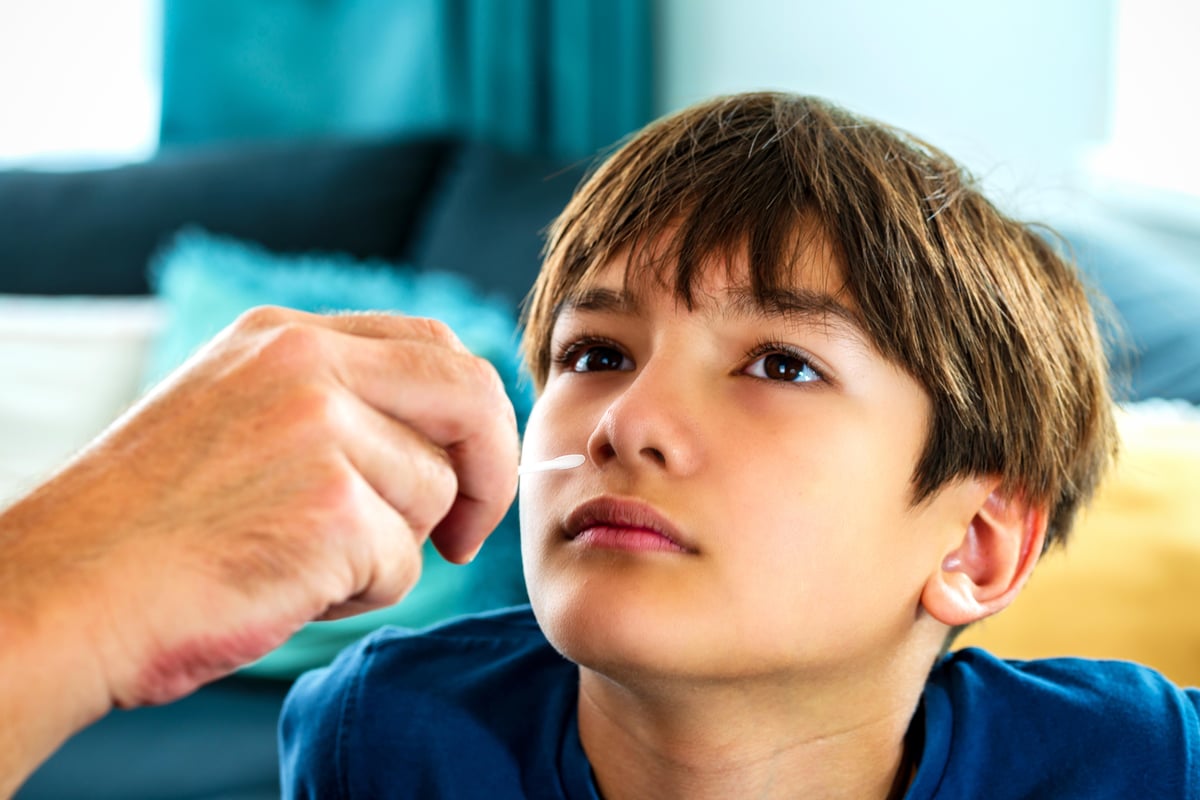
THURSDAY, Aug. 18, 2022 (HealthDay News) — Children and adolescents are less likely to experience persistent COVID-19 symptoms than adults, according to a study published online Aug. 1 in the Pediatric Infectious Disease Journal.
Sarah E. Messiah, Ph.D., M.P.H., from The University of Texas Health Science Center at Houston, and colleagues examined the presence of persistent COVID-19 symptoms in children by severe acute respiratory syndrome coronavirus 2 (SARS-CoV-2) antibody status.
The researchers found that 4.5 percent of the total sample (1,813) reported persistent COVID-19 symptoms (27 at four to 12 weeks and 58 at >12 weeks), with 8.0 percent infected pre-delta variant and 3.4 percent in the delta period and beyond. When compared with adults, pediatric age groups had a lower risk for persistent COVID-19 symptoms regardless of length of symptoms reported. Severe symptoms with initial infection, not being vaccinated, and having an unhealthy weight (body mass index ≥85th percentile for age and sex) were associated with an increased risk for persistent COVID-19 symptoms >12 weeks.
“There may be a perception that one needs to be hospitalized to have long COVID, and that is not what we found,” Messiah said in a statement. “I encourage parents to still take caution and get their child vaccinated against COVID-19, because we now know that it will decrease the risk of infection and long COVID.”
.jpg) Considerable Gaps Reported in Care for Youth With Opioid Use Disorder
Considerable Gaps Reported in Care for Youth With Opioid Use Disorder  Nutritional Deficiencies Seen in Youth Taking GLP-1 Receptor Agonists
  Youth Suicide Risk Linked to Community Firearm Violence
  Trends Reported in Vaccination Coverage for Adolescents for 2025
  Nearly 3 in 4 Older Adults Express Interest in Vaccine to Prevent Dementia
  Updated COVID-19 Shot Beneficial for Those With Autoimmune Rheumatic Disease
  AAP Issues Recommendations for Pediatric RSV Vaccination in 2026-2027 Season
  Social Media Warnings Could Discourage Use Among Teens, Young Adults




.jpg)