


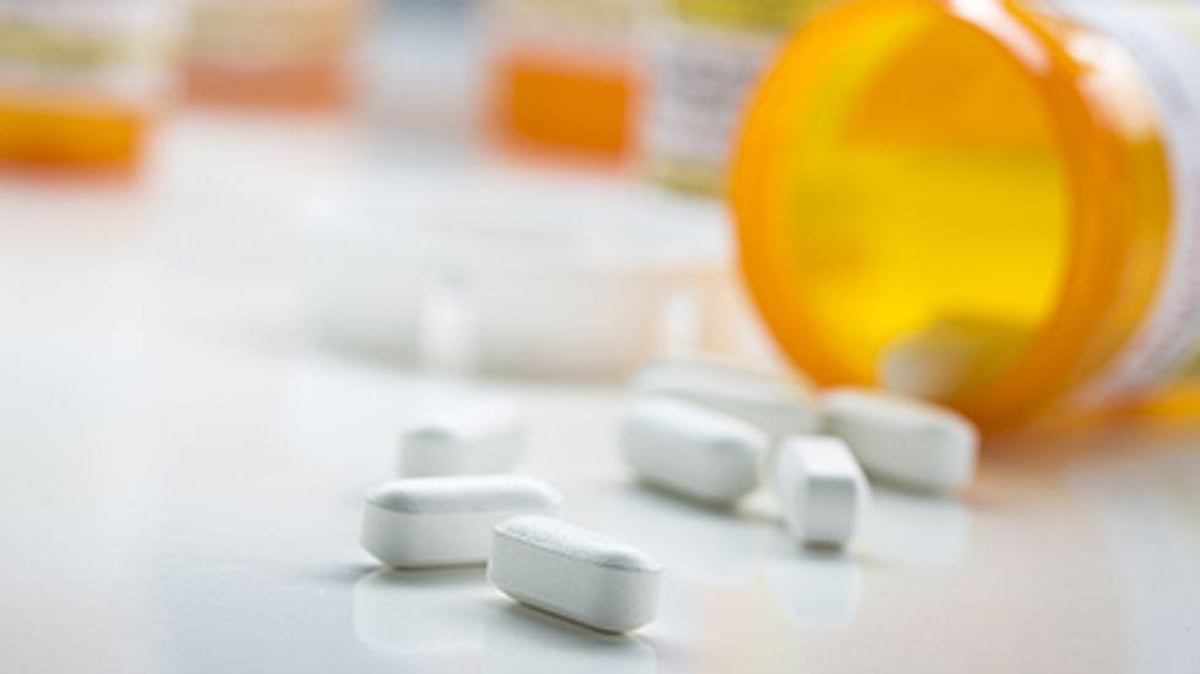
Easy access to over-the-counter medications may play a role in their use for suspected suicides
TUESDAY, June 7, 2022 (HealthDay News) — Suspected suicide attempts by poisoning reported to U.S. poison centers increased 26.7 percent between 2015 and 2020, according to a study recently published in Clinical Toxicology.
Jennifer A. Ross, M.D., from the University of Virginia School of Medicine in Charlottesville, and colleagues used data from the National Poison Data System to assess trends in rates and frequencies of all pediatric suspected suicides between 2015 and 2020.
The researchers found that among 514,350 pediatric suspected suicides, the largest increase in rate of suspected suicides occurred in children aged 10 to 12 years (109.3 percent). Rates also increased significantly in children aged 13 to 15 years (30.3 percent) and 16 to 19 years (18.1 percent). Ibuprofen and acetaminophen were the most commonly utilized substances, but the largest increase in rate of exposures was seen for acetaminophen.
“We need to be vigilant for the warning signs associated with suicide risk in our children,” a coauthor said in a statement. “Our study is one of a number that demonstrates that we are experiencing an unprecedented mental health crisis in younger age groups. As a society, we must commit more resources to the mental health needs of our children.”
Abstract/Full Text (subscription or payment may be required)
.jpg) Considerable Gaps Reported in Care for Youth With Opioid Use Disorder
Considerable Gaps Reported in Care for Youth With Opioid Use Disorder  Insomnia Linked to Increased Risk for Stroke, Odds of Admission
  Age-Adjusted Suicide Rate Increased From 2014 to 2017 and Then Plateaued
  Nutritional Deficiencies Seen in Youth Taking GLP-1 Receptor Agonists
  Eating More Ultraprocessed Foods Heightens Risk for Chronic Diseases
 .jpg) Mortality Lowest at Hemoglobin Concentrations Above WHO Thresholds
Mortality Lowest at Hemoglobin Concentrations Above WHO Thresholds  Oral Vitamin C Active in Clonal Cytopenia of Undetermined Significance
  2009 to 2023 Saw Surge in Probiotic Supplement Use




.jpg)