


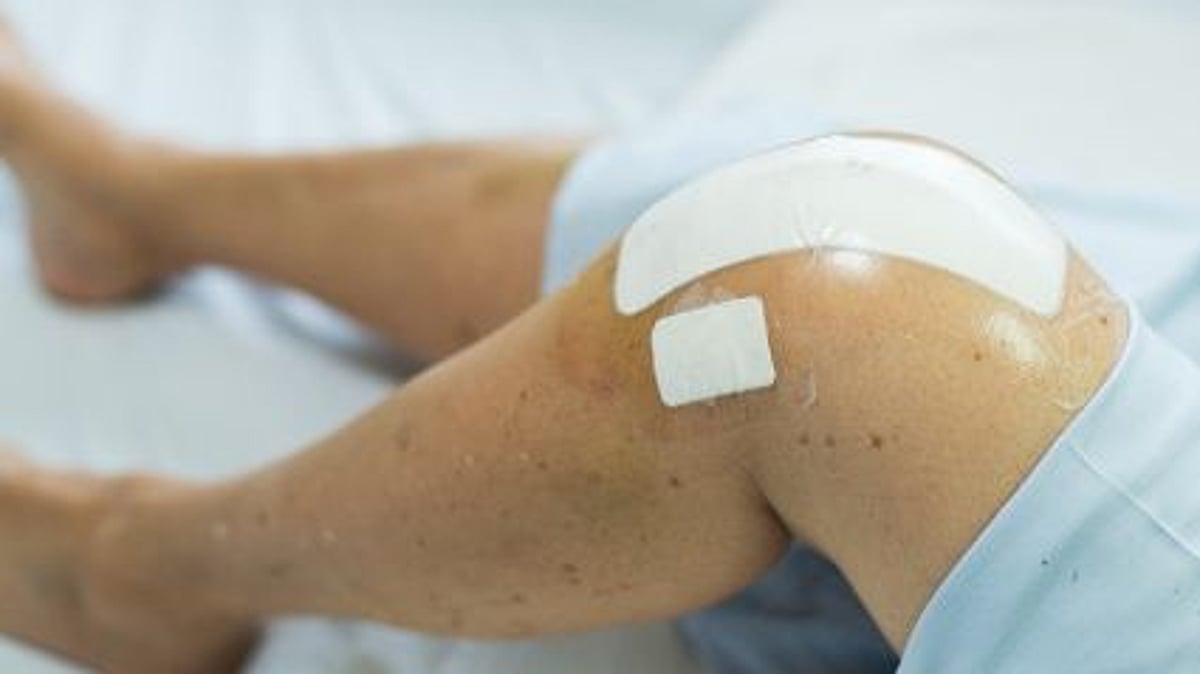
Pain scores, opioid consumption reduced in first postoperative week with percutaneous peripheral nerve stimulation versus sham treatment
THURSDAY, April 29, 2021 (HealthDay News) — Percutaneous peripheral nerve stimulation reduces acute pain and opioid requirements in the week following orthopedic surgery, according to a pilot study published online April 15 in Anesthesiology.
Brian M. Ilfeld, M.D., from the University of California in San Diego, and colleagues assessed the feasibility and optimal protocol of percutaneous peripheral nerve stimulation for postoperative pain and opioid consumption. An electrical lead was percutaneously implanted preoperatively to target the sciatic nerve for major foot/ankle surgery, the femoral nerve for anterior cruciate ligament reconstruction, or the brachial plexus for rotator cuff repair, followed by a single injection of long-acting local anesthetic along the same nerve/plexus. Participants were randomly assigned to 14 days of either electrical stimulation (32 patients) or sham stimulation (34 patients) using an external pulse generator.
The researchers found that during the first seven postoperative days, opioid consumption in participants given active stimulation was a median of 5 mg versus 48 mg in patients given sham treatment. The average pain intensity in patients given active stimulation was a mean of 1.1 versus 3.1 in those given sham in the first seven postoperative days.
“Percutaneous peripheral nerve stimulation reduced pain scores and opioid requirements free of systemic side effects during at least the initial week after ambulatory orthopedic surgery,” the authors write.
Several authors disclosed financial ties to the medical device industry.
.jpg) Rates of Drug Use-Associated Infective Endocarditis Declined From 2020 to 2022
 Research Challenges Fusion for Lumbar Degenerative Spondylolisthesis
 Adoption of Emergency General Surgery Verification Program Is Beneficial
 Nonpharmacologic Therapy Cuts Opioid Use Disorder Risk With Low Back Pain
 Withdrawal From Medetomidine Increasingly Seen in ICUs
.jpg) Considerable Gaps Reported in Care for Youth With Opioid Use Disorder
 Study Looks at Patient Experiences With Sedative Contaminating Fentanyl
 Distinct Characteristics ID"d for Patients With Rheumatoid Conditions, Opioid Use Disorder





