Pfizer-BioNTech will try a third dose to see if it produces a more robust response
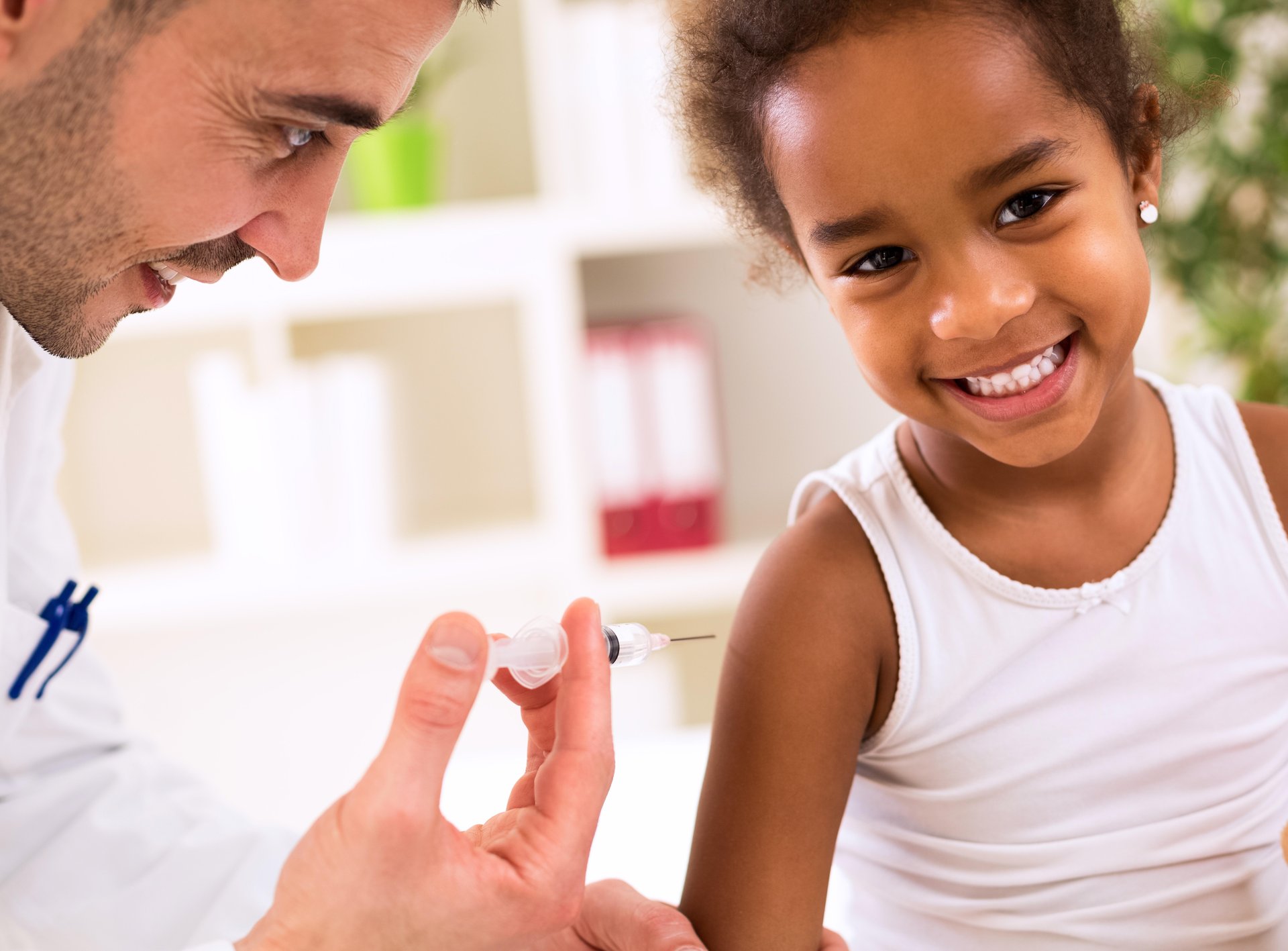
FRIDAY, Dec. 17, 2021 (HealthDay News) — Two doses of a pediatric Pfizer-BioNTech COVID-19 vaccine failed to spur an adequate immune response in children ages 2 to 5 years, the companies announced Friday.
The pediatric trials used a 3-µg dose of the vaccine — equivalent to about one-tenth of the dose used in adult shots. And while two 3-µg doses produced a good immune response in babies and children between 6 months and 2 years of age — similar to that seen in people ages 16 to 25 years — they failed to do so in the 2- to 5-year age group, the companies said in a statement.
Pfizer-BioNTech says they will try a third dose to see if that produces a more robust response, but they have no plans to try any amount of vaccine above 3 µg. Children younger than 5 years will get the third dose two months after they have received their second.
There is a building consensus that three doses of vaccine, not two, offers the best defense against COVID-19, including newer variants such as omicron.
Besides the ongoing trials in very young children, Pfizer-BioNTech is also conducting trials of three doses of 10 µg of COVID-19 vaccine (one-third of the dosage used in adults) in children ages 5 through 12 years, the companies said. They hope to complete the trials and ask for U.S. Food and Drug Administration authorization of a three-dose vaccine series in younger children sometime in the spring of 2022.
 Nearly 3 in 4 Older Adults Express Interest in Vaccine to Prevent Dementia
 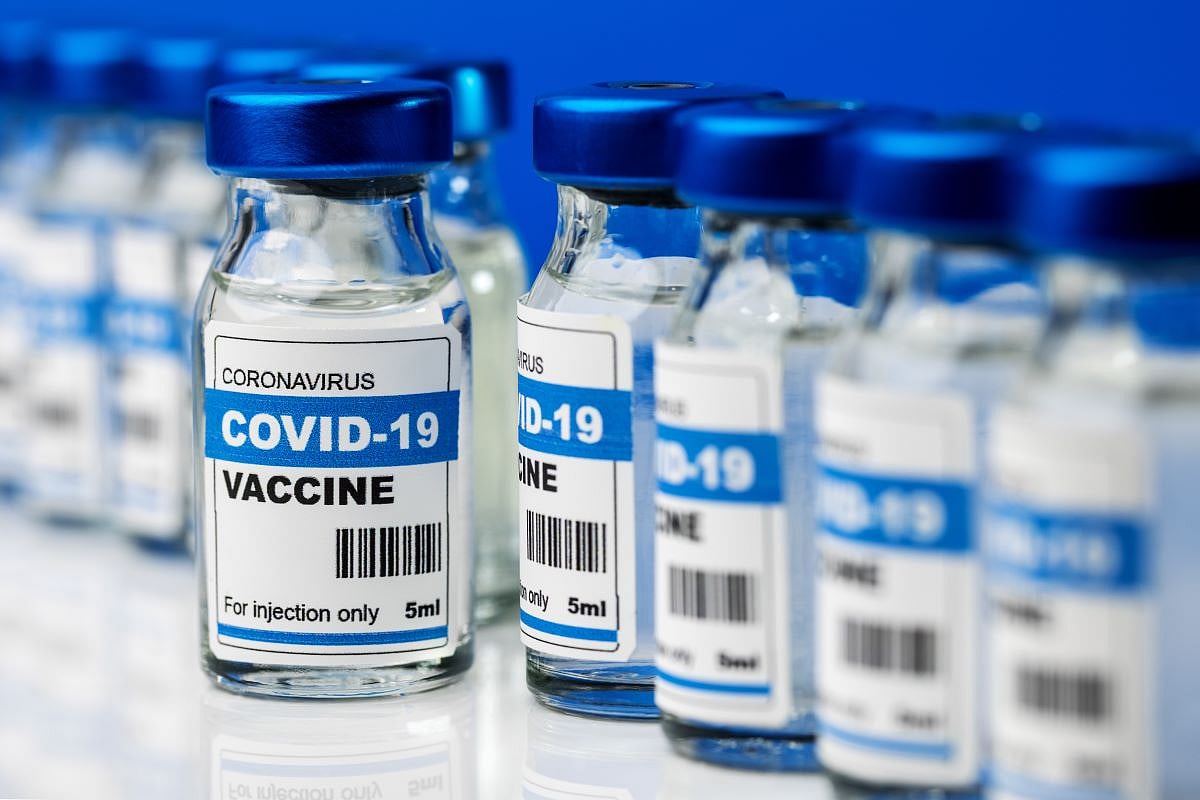 Updated COVID-19 Shot Beneficial for Those With Autoimmune Rheumatic Disease
  Trends Reported in Vaccination Coverage for Adolescents for 2025
  AAP Issues Recommendations for Pediatric RSV Vaccination in 2026-2027 Season
  4CMenB Vaccine Confers Modest Protection Against Gonorrhea in Teens
  AAP Releases Influenza Vaccine Recommendations for All Children 6 Months and Older
  Adverse Event Risk Not Up With Same Day COVID-19, Flu Vaccination