


 Findings based on disease management goals for diabetes, blood pressure control
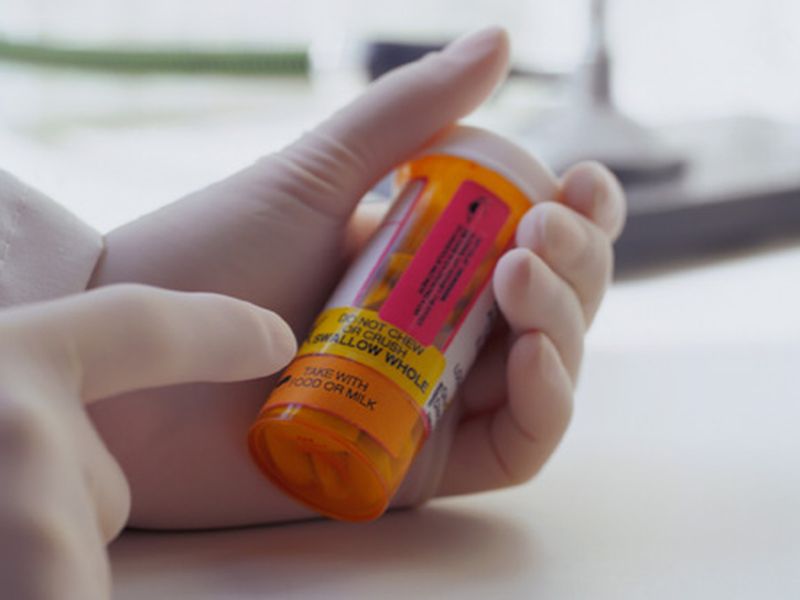
FRIDAY, Dec. 15, 2017 (HealthDay News) — A program that integrates clinical pharmacists into established primary care medical home practices helps patients achieve better disease management for high blood pressure (HBP) and diabetes mellitus (DM), compared to usual care, according to a study published recently in the Journal of International Medical Research.
Kimberly D. Brunisholz, Ph.D., from Intermountain Healthcare in Salt Lake City, and colleagues retrospectively examined the effectiveness of the Intermountain Healthcare Collaborative Pharmacist Support Services (CPSS) program (2012 to 2015) among 359 adult patients diagnosed with DM and/or HBP. Patients were propensity-matched to a reference cohort of 999 participants.
The researchers found that, compared with the reference group, CPSS patients were 93 percent more likely to achieve a blood pressure goal <140/90 mm Hg, 57 percent more likely to achieve hemoglobin A1c values <8 percent, and 87 percent more likely to achieve both disease management goals. Across the entire study period, time-to-goal achievement showed increased separation between the study cohorts (P < 0.001), particularly at 180 days post-intervention (HBP: P < 0.001; DM: P < 0.05).
“CPSS participation is associated with significant improvement in achievement of disease management goals, time to achievement, and increased ambulatory encounters compared with the matched no-CPSS cohort,” the authors write.
.jpg) Most Specialty Oral Anticancer Meds for Blood Cancers Are Initially Rejected by Insurers
Most Specialty Oral Anticancer Meds for Blood Cancers Are Initially Rejected by Insurers  Drug Interactions Reducing Contraceptive Effectiveness Common in Epilepsy
  Holding DMARDs at Time of COVID-19 Vaccine Not Warranted in Those With Inflammatory Arthritis
  1 in 3 With Lupus Take Supplements, Medications With Potential for Interactions
  2013 to 2024 Saw Decrease in Benzodiazepine Prescribing
  GLP-1 Receptor Agonists, SGLT-2is Slow Renal Function Decline in T2D With Albuminuria
  Polypharmacy of Prescription Medications Increased for U.S. Older Adults
  Low Hydroxychloroquine Intake, Blood Levels Linked to ASCVD Risk in Lupus




