


 Aim should be to prevent CVD with environment where healthy foods are accessible, desirable
WEDNESDAY, Sept. 26, 2018 (HealthDay News) — Diet is an important component that impacts cardiovascular risk, and policies should be implemented to improve dietary composition, according to an article published in the Aug. 21 issue of the Journal of the American College of Cardiology.
Edward Yu, Sc.D., from the Harvard T.H. Chan School of Public Health in Boston, and colleagues summarized the current state of knowledge regarding the role of diet in cardiovascular disease prevention.
The authors note that decreasing excess calories and improving dietary composition may prevent many cardiovascular events. Diets high in fruits, vegetables, whole grains, nuts, and legumes; moderate in low-fat dairy and seafood; and low in processed meats, sugar-sweetened beverages, refined grains, and sodium are recommended in current guidelines. For some people, supplementation can be useful, although it cannot replace a good diet. Many factors influence individuals to consume a low-quality diet, including lack of availability of high-quality foods, high cost, time scarcity, social and cultural norms, marketing of poor-quality foods, and palatability. Governments should focus on cardiovascular disease as a global threat and should implement policies that can foster an environment in which healthy foods are accessible, affordable, and desirable. In order to promote healthful eating for cardiovascular disease prevention, health professionals should be proficient in basic nutritional knowledge.
“A concerted effort from all levels of society will be needed to fundamentally change the current food environment and global food system,” the authors write.
Abstract/Full Text (subscription or payment may be required)
 Recommendations Issued for Use of Incretin-Based Meds in Pregnancy
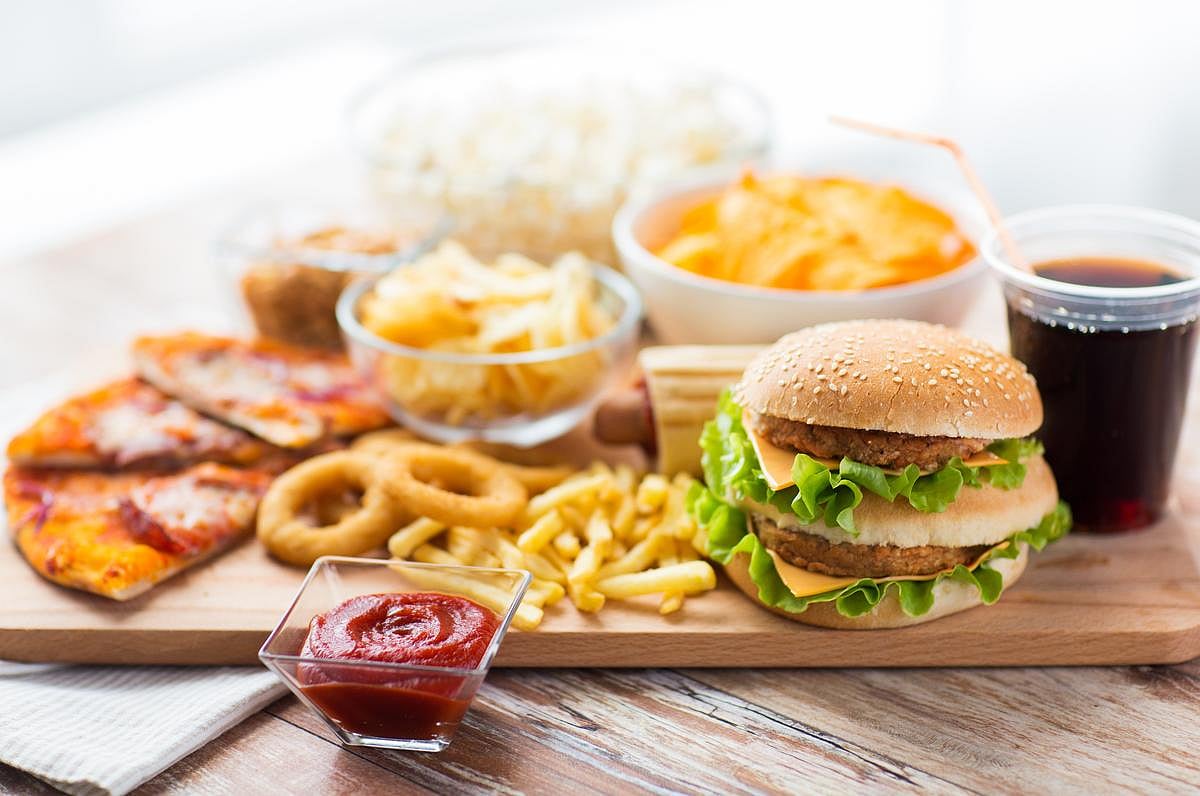 Eating More Ultraprocessed Foods Heightens Risk for Chronic Diseases
 Nutritional Deficiencies Seen in Youth Taking GLP-1 Receptor Agonists
 2009 to 2023 Saw Surge in Probiotic Supplement Use
 1 in 3 With Lupus Take Supplements, Medications With Potential for Interactions
 High-Dose Omega-3 Linked to A-Fib Risk in Patients With High CVD Risk
 Docosahexaenoic Acid Supplement Does Not Improve Cognitive Performance
 Sugar-Sweetened Beverage, Fruit Juice Intake Linked to Hypertension Risk




.jpg)
