


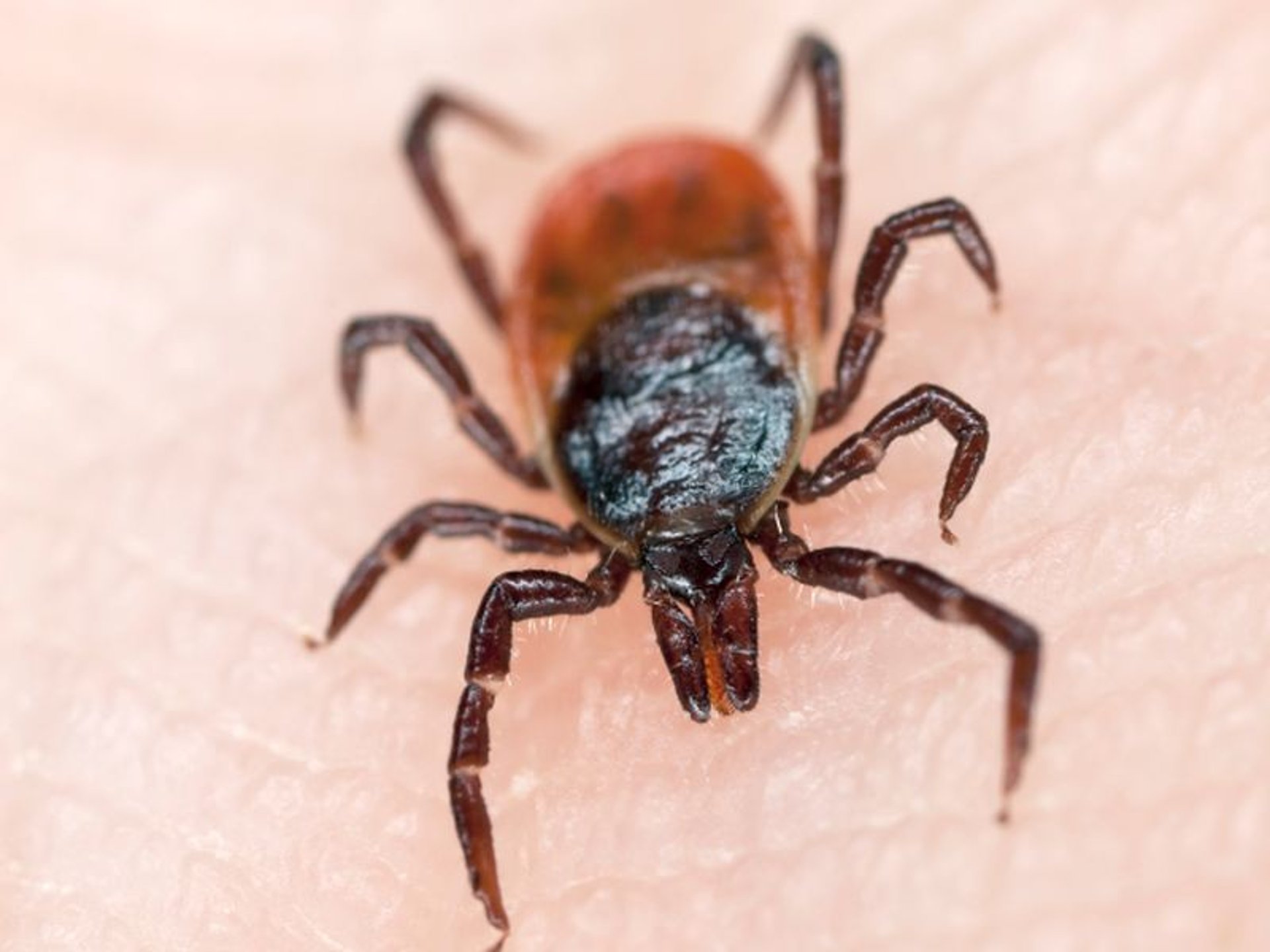
 Poll finds parents may be uncertain as to what type of bug repellent is best
FRIDAY, June 19, 2020 (HealthDay News) — Parents are more concerned about diseases from tick bites than from mosquito bites, according to a new C.S. Mott Children’s Hospital national poll from the University of Michigan in Ann Arbor.
Ipsos Public Affairs conducted a survey on behalf of C.S. Mott Children’s Hospital in January and February 2020. The analysis included 1,120 randomly selected adults who were parents of at least one child age 5 to 12 years living in their household.
The poll revealed that a large majority of parents (87 percent) say they use bug repellent (usually or sometimes) for their children, but are more likely to usually have their children apply bug repellent when out in wooded/swampy areas (53 percent) versus in their yard/neighborhood (17 percent). Just under one-third (30 percent) use “natural” or homemade products, while 35 percent use bug repellents containing N,N-diethyl-meta-toluamide (DEET). Parents use other strategies to prevent bites, including having their child wear long pants and sleeves (34 percent) or light-colored clothing (21 percent). Parents are more concerned about children getting diseases from tick bites (46 percent very concerned) versus from mosquito bites (23 percent very concerned).
“Choosing the appropriate bug repellent can be confusing for parents,” poll codirector Gary L. Freed, M.D., said in a statement. “Some may protect against mosquitos but not ticks, for example. Parents should research the options and recommendations before deciding what to use based on their child’s age and their outdoor plans.”
 Higher Parental Vitamin B12 Tied to Lower Prevalence of Birth Defects
  Adult Children of Divorced, Unmarried Parents Face More Mental Health Issues
  Barriers to Pediatric Cancer Clinical Trial Participation Identified
  CDC: 1,955 Arboviral Disease Cases Reported in 48 States, D.C. in 2024
  CDC: Seroprevalence of Alpha-Gal IgE Antibodies Highest in States With Elevated Case Counts
  Risk Factors ID"d for Poor Outcomes After West Nile Virus Infection
  2,770 Cases of Arboviral Disease Reported in 48 States and D.C. in 2023
  WMS Issues Guidelines on Tickborne Illness in the U.S.


.jpg)

