


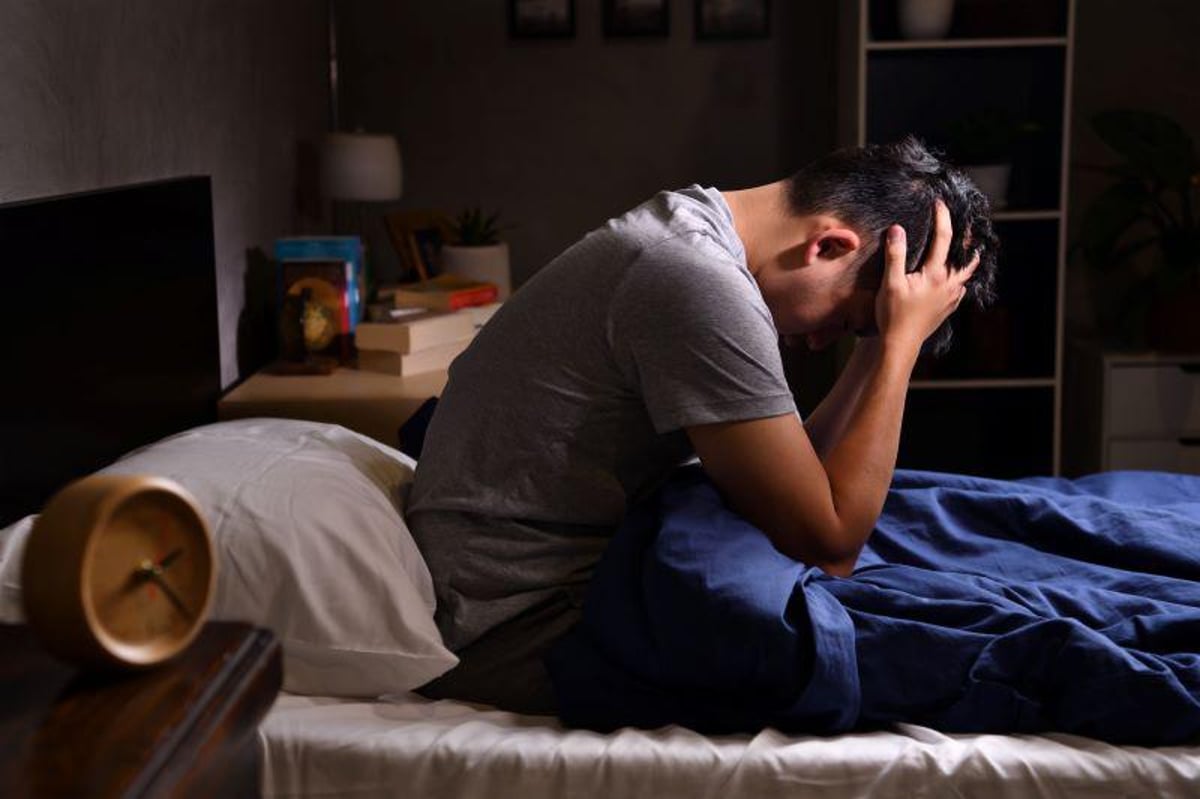
Insufficient sleep duration, inconsistent timing of sleep tied to mental health symptoms and substance use
MONDAY, April 25, 2022 (HealthDay News) — Poor sleep patterns were associated with worsening behavioral health outcomes at the beginning of the COVID-19 pandemic, according to a study published online April 20 in Sleep Health.
Mark É. Czeisler, from the Turner Institute for Brain and Mental Health and School of Psychological Sciences at Monash University in Melbourne, Australia, and colleagues characterized objective sleep patterns among 4,912 U.S. adults before and during the COVID-19 pandemic (January to June 2020) using a wearable device. Associations with mental health symptoms were evaluated.
The researchers found that acutely increased sleep duration (15 minutes), sleep consistency (3.51 points out of 100), and delayed sleep timing (onset, 18.7 minutes; offset, 36.6 minutes) were seen at the start of the pandemic (mid-March through mid-April 2020). Participants with persistently insufficient sleep duration and inconsistent sleep timing had higher odds of adverse mental health symptoms and substance use in June 2020 when adjusting for demographic and lifestyle variables.
“Our study speaks to the importance of sleep for mental health, especially in the context of stressful episodes,” Czeisler said in a statement. “Making an effort to prioritize sleep and develop a regular sleep schedule can offer protection during these times.”
Several authors disclosed financial ties to the pharmaceutical industry.
.jpg) Rates of Drug Use-Associated Infective Endocarditis Declined From 2020 to 2022
 Maternal Night-Shift Work Tied to Later Neurodevelopmental Issues in Offspring
 Gap Found Between Awareness of Breast Cancer Risk and Risk-Reducing Behavior
 Financial Incentives Boost Tobacco Abstinence in Underserved Adults
 2016 to 2024 Saw Increase in Patients Using Medical Cannabis
 ED Visits for Gambling Disorder Spike After Canada Liberalizes Online Gambling
 Aerobic Training, Behavioral Interventions Both Clinically Improve Asthma Control
 Social Media Warnings Could Discourage Use Among Teens, Young Adults





