


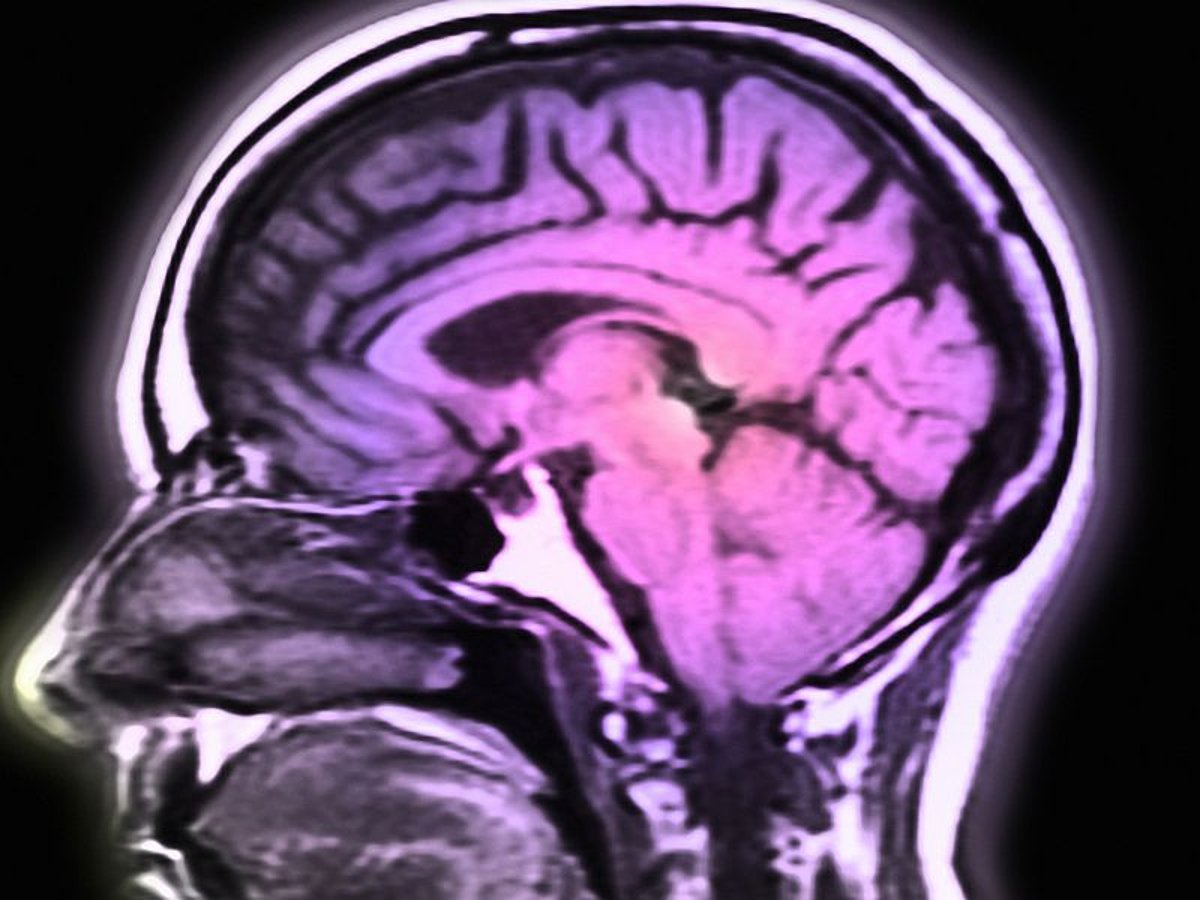
 Feasibility of bedside brain MRI demonstrated in 50 patients admitted to neuroscience or COVID-19 ICUs
WEDNESDAY, Sept. 16, 2020 (HealthDay News) — Portable, low-field magnetic resonance imaging (MRI) is feasible for obtaining neuroimaging in intensive care unit (ICU) patients, according to a study published online Sept. 8 in JAMA Neurology.
Kevin N. Sheth, M.D., from the Yale University School of Medicine in New Haven, Connecticut, and colleagues conducted a prospective single-center cohort study of 50 patients admitted to the neuroscience or COVID-19 ICUs from Oct. 30, 2019, to May 20, 2020. The patients presented with ischemic stroke, hemorrhagic stroke, subarachnoid hemorrhage, traumatic brain injury, and brain tumor (nine, 12, two, three, and four patients, respectively) and with COVID-19 altered mental status (20 patients). An assessment of brain injury was performed using a portable, low-field MRI device at the bedside.
Examinations were acquired at a median of five days after admission to the ICU. The researchers noted that for 37, 48, 45, and 32 patients, diagnostic-grade T1-weighted, T2-weighted, T2 fluid-attenuated inversion recovery, and diffusion-weighted imaging sequences were obtained, respectively. Neuroimaging findings were identified in 97 percent of the 30 patients without COVID-19; abnormalities were detected in 40 percent of the 20 patients with COVID-19. During deployment of the portable MRI or scanning, there were no adverse events or complications reported.
“Low-field, portable MRI can be deployed successfully into intensive care settings,” the authors write. “This approach may hold promise for portable assessment of neurological injury in other scenarios, including the emergency department, mobile stroke units, and resource-limited environments.”
Several authors disclosed ties to biopharmaceutical companies, including Hyperfine Research, which partially funded the study.
 Pre-Prostate Biopsy MRI Use Increased From 2017 to 2026
 Lower Vertebral Bone Mineral Density Linked to Cognitive Decline
 PET/MRI Offers Diagnostic, Prognostic Value in Pediatric Epilepsy
 Dense Breast Notification Linked to Increase in Use of Supplemental Ultrasound
.jpg) Most Specialty Oral Anticancer Meds for Blood Cancers Are Initially Rejected by Insurers
 Gap Found Between Awareness of Breast Cancer Risk and Risk-Reducing Behavior
 Exercise Intervention Linked to Improved Attention, Memory in Breast Cancer
 Mammography Trials Yield Excess-Incidence Patterns Consistent With Low Overdiagnosis




