


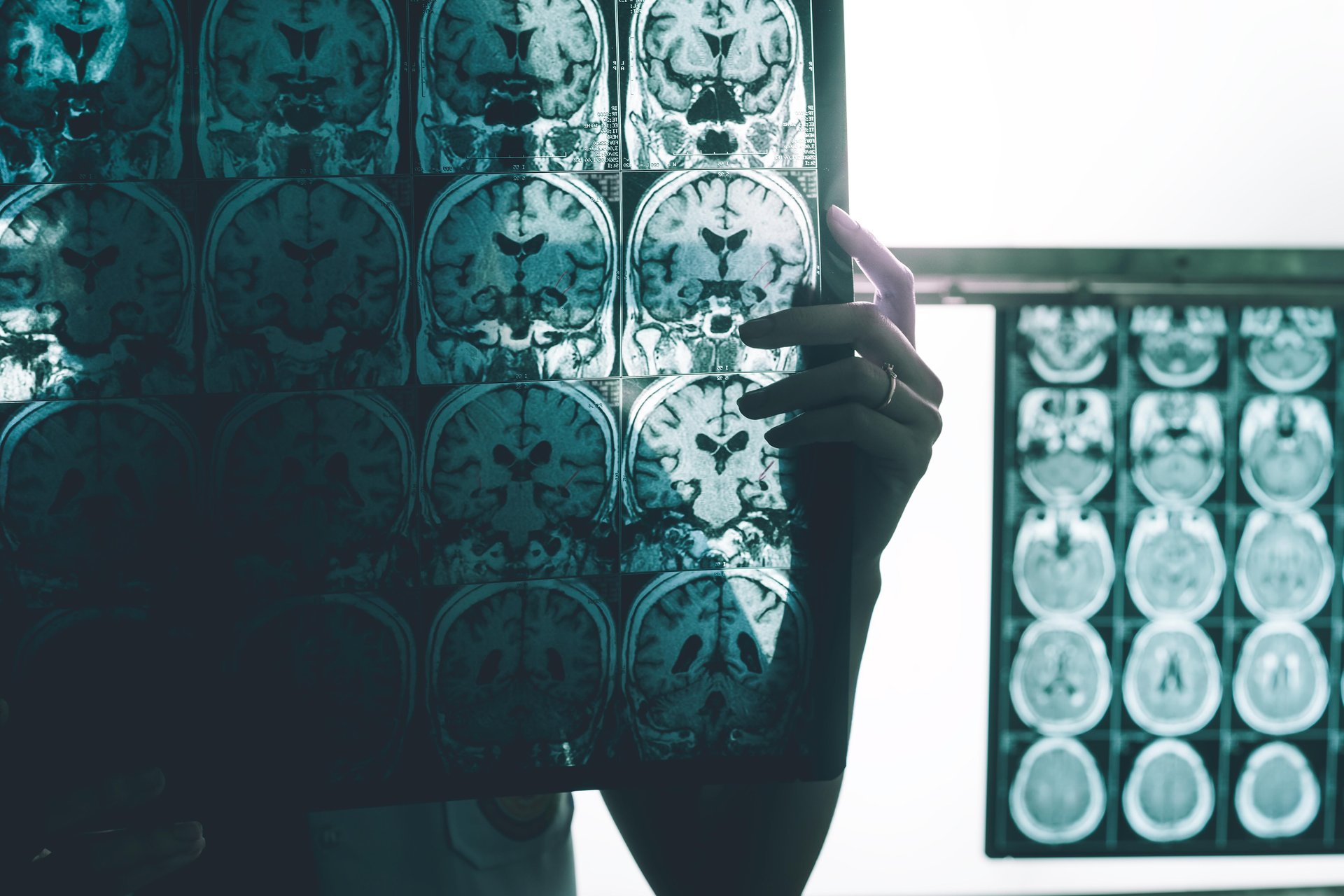
pMRI can capture lesions as small as 4 mm; measurement of stroke volume consistent with low-field pMRI, high-field conventional MRI
THURSDAY, April 21, 2022 (HealthDay News) — Low-field portable magnetic resonance imaging (pMRI) acquired at low magnetic field strength can detect infarcts in patients with ischemic stroke, according to a study published online April 20 in Science Advances.
Matthew M. Yuen, from the Yale School of Medicine in New Haven, Connecticut, and colleagues conducted pMRI acquired at very low magnetic field strength (0.064 T) to obtain actionable bedside neuroimaging among 50 patients with ischemic stroke.
The researchers found that in 90 percent of the patients, low-field pMRI detected infarcts across cortical, subcortical, and cerebellar structures, capturing lesions as small as 4 mm. On T2-weighted, fluid-attenuated inversion recovery and diffusion-weighted imaging sequences, infarcts appeared as hyperintense regions. Measurements of stroke volume were consistent across pMRI sequences and between low-field pMRI and conventional high-field MRI studies.
“These results demonstrate that low-field pMRI can mitigate risks associated with transport to conventional neuroimaging, facilitate the evaluation of stroke over a dynamic clinical course, and potentially enable earlier diagnosis and treatment of ischemic stroke,” the authors write. “Moreover, the ease of use and low cost of pMRI position this novel imaging modality to address clinical bottlenecks and unmet imaging needs in resource-limited settings.”
The study was partially funded by Hyperfine, a developer of pMRI technology.
 Pre-Prostate Biopsy MRI Use Increased From 2017 to 2026
  Lower Cognitive Functioning During 60s Linked to Subsequent Stroke Risk
  Insomnia Linked to Increased Risk for Stroke, Odds of Admission
  Increased Dementia Risk Seen After Transient Ischemic Attack
  Incidence of Stroke Increasing Among Young Adults
  Nearly 3 in 4 Older Adults Express Interest in Vaccine to Prevent Dementia
  Voice Disorders Linked to Elevated Risk for Incident Cognitive Decline
  Risk for Ischemic Stroke Increased After Cancer Diagnosis
.jpg)



