


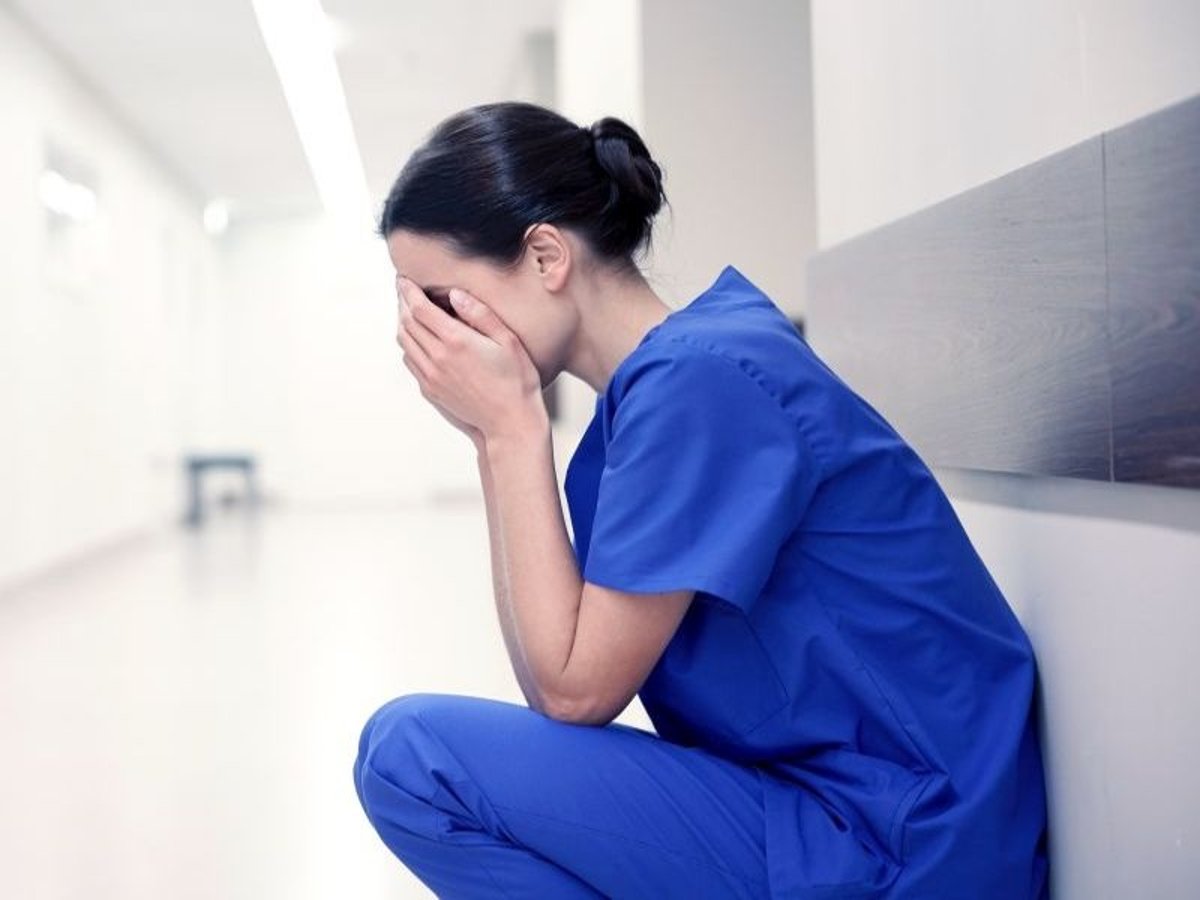
Demographic characteristics suggestive of less empowerment may increase risk for moral injury
TUESDAY, April 12, 2022 (HealthDay News) — The potential for moral injury is high among combat veterans and COVID-19 health care workers (HCWs) and is associated with negative mental health outcomes, according to a study published online April 5 in the Journal of General Internal Medicine.
Jason A. Nieuwsma, Ph.D., from the Duke University Medical Center in Durham, North Carolina, and colleagues compared patterns of potential moral injury (PMI) between 618 post-9/11 military combat veterans and 2,099 HCWs surveyed during the COVID-19 pandemic.
The researchers found that 46.1 percent of post-9/11 veterans and 50.7 percent of HCWs endorsed other-induced PMI, while 24.1 percent of post-9/11 veterans and 18.2 percent of HCWs endorsed self-induced PMI. Different types of PMI were significantly associated with gender, race, enlisted versus officer status, and postbattle traumatic experiences among veterans, while age, race, working in a high COVID-19-risk setting, and reported COVID-19 exposure were associated with different types of PMI among HCWs. Among both veterans and HCWs, endorsing either type of PMI was associated with significantly higher depressive symptoms and worse quality of life as well as higher burnout among HCWs.
“Moral injury prevention and intervention efforts for HCWs may benefit from consulting models used with veterans,” the authors write.
 2013 to 2024 Saw Decrease in Benzodiazepine Prescribing
  Childhood Cancer Survivors Often Have Mental Distress in Adulthood
  Pediatricians Report Immigrant Families Avoiding Care for Their Children
  Air Pollution Tied to Higher Risk for Suicide
  Insomnia Linked to Increased Risk for Stroke, Odds of Admission
  Age-Adjusted Suicide Rate Increased From 2014 to 2017 and Then Plateaued
  Psychiatrists Only Agree 55 Percent of the Time on Diagnoses
  Youth Suicide Risk Linked to Community Firearm Violence
.jpg)



