


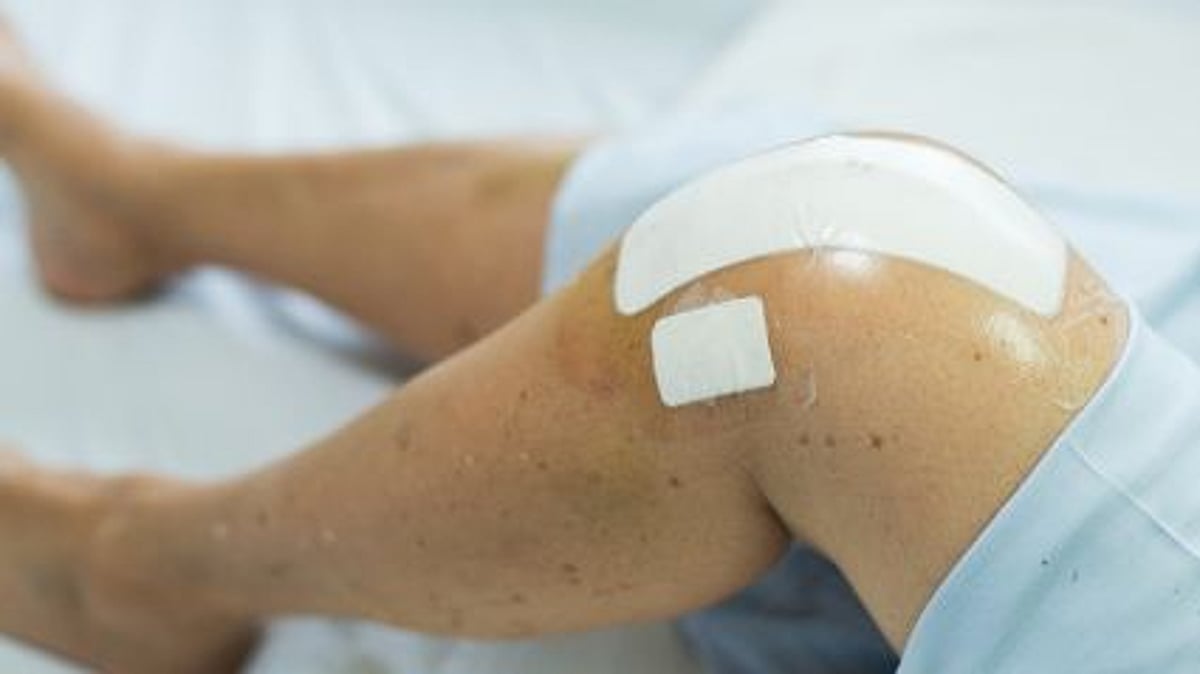
Potential risk factors for moderate-to-severe knee pain after TKA include vitamin D deficiency, smoking, high BMI
MONDAY, May 10, 2021 (HealthDay News) — For postmenopausal women after total knee arthroplasty (TKA), preoperative vitamin D deficiency may adversely affect early postoperative outcomes, according to a study published online May 5 in Menopause.
Yu Song, M.D., from Shanghai Tenth People’s Hospital Affiliated to Tongji University School of Medicine, and colleagues retrospectively recruited 226 postmenopausal women after primary TKA from April 2017 to December 2019. The women were divided into two groups: vitamin D-sufficient (≥30 ng/mL) and vitamin D-deficient (<30 ng/mL).
The researchers found a statistically significant difference between the groups in the postoperative Western Ontario and McMaster Arthritis Index score. However, differences between the groups were not significant for the postoperative visual analog scale score and Knee Society Score. Postoperative moderate-to-severe pain had an incidence of 16.4 percent. In postmenopausal women early after TKA, vitamin D deficiency, smoking, and high body mass index (BMI) were potential risk factors for moderate-to-severe knee pain in a multivariable analysis.
“Vitamin D deficiency, smoking, and high BMI were independent risk factors for moderate-to-severe knee pain after surgery,” the authors write. “Clinicians must, therefore, carefully screen preoperative vitamin D levels in postmenopausal women scheduled for TKA to identify high-risk women before surgery and improve prognosis.”
Abstract/Full Text (subscription or payment may be required)
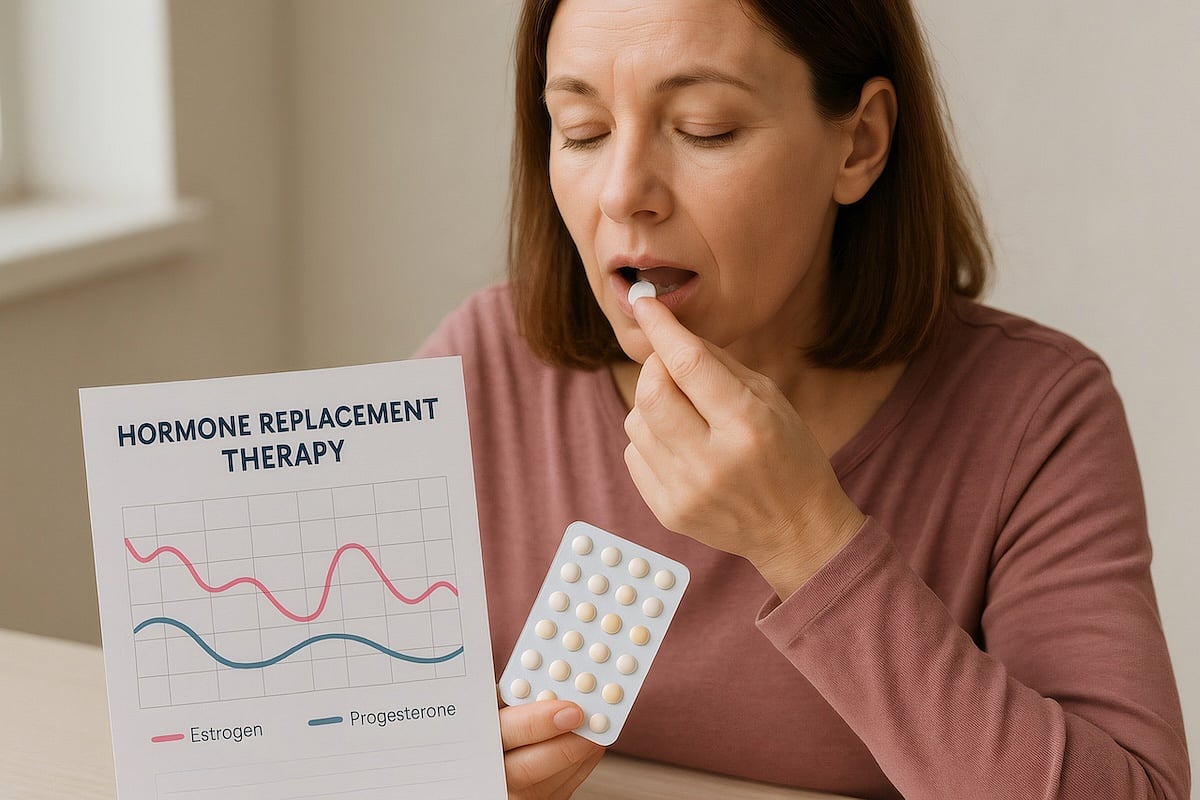 Oral Menopausal Hormone Therapy Linked to Venous Thromboembolic Risk
 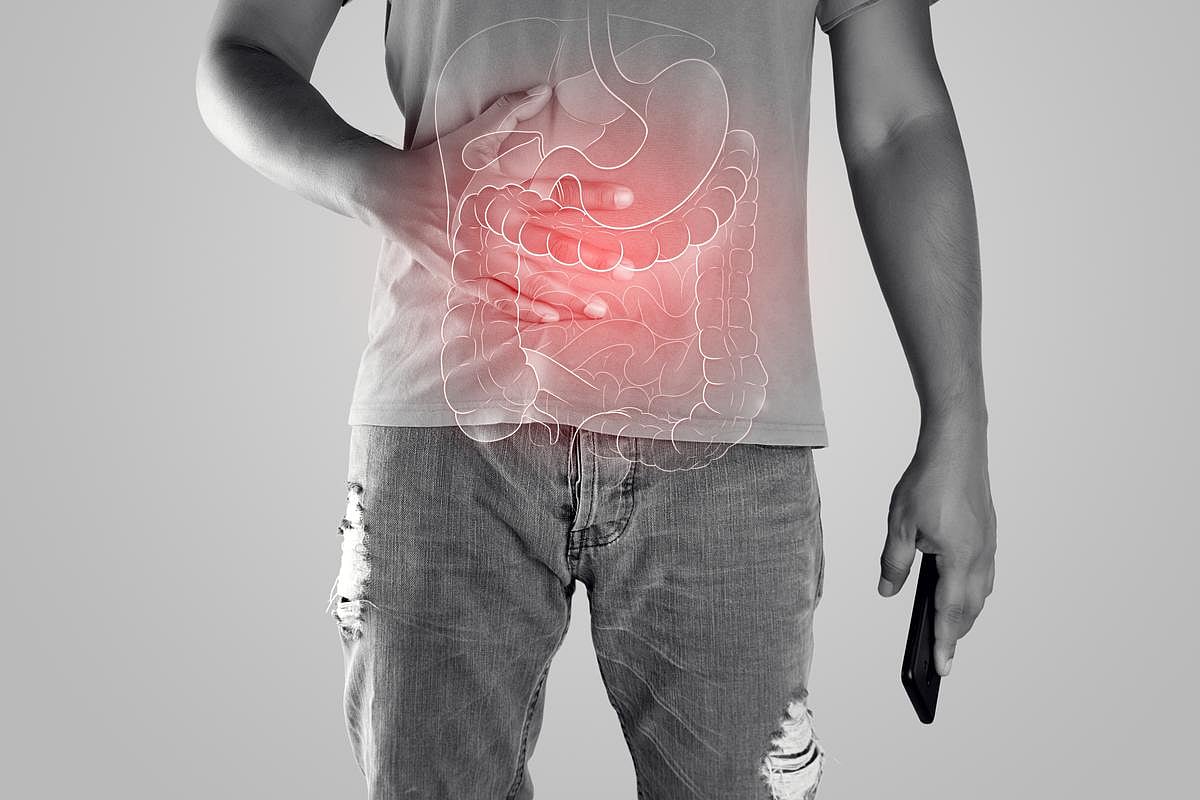 Serum 25(OH)D May Serve as Biomarker of Disease Activity in IBD
 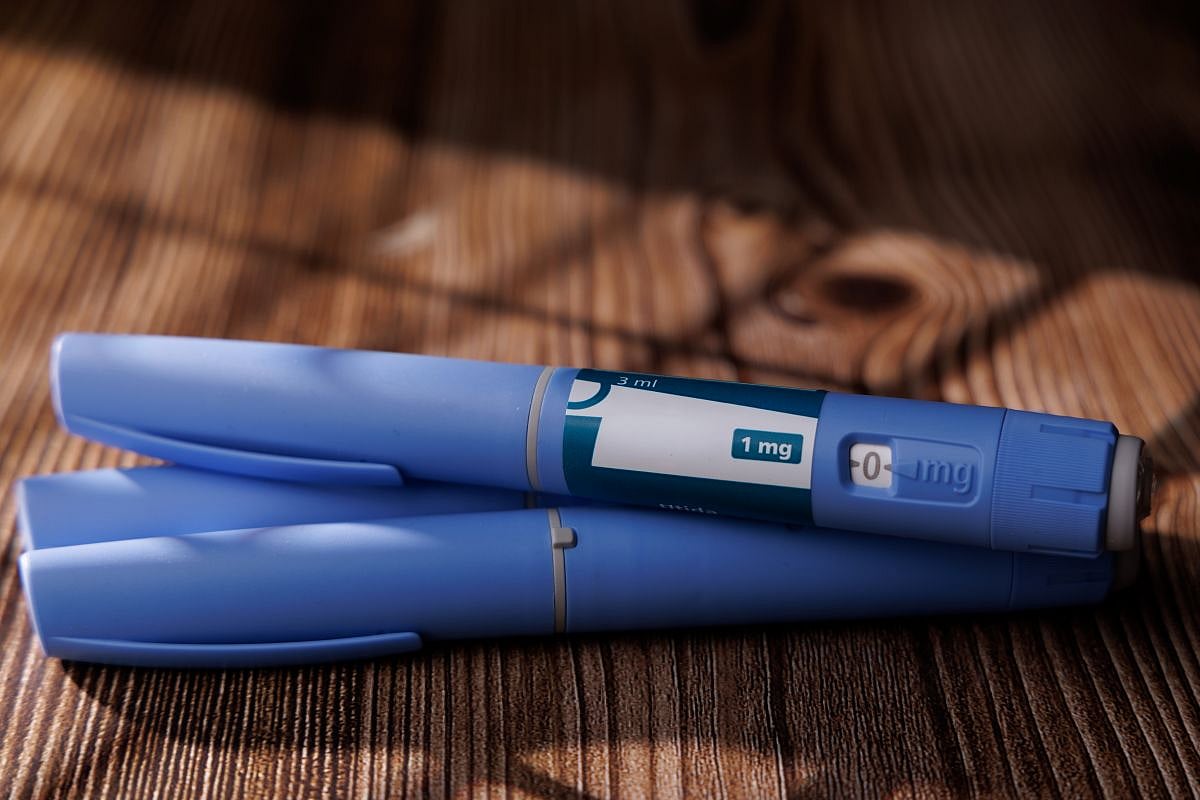 Nutritional Deficiencies Seen in Youth Taking GLP-1 Receptor Agonists
  Maternal Vitamin D Status Linked to Preterm Delivery
  Low Levels of Placental Growth Factor in Pregnancy Linked to Subsequent ADHD in Offspring
  Recommendations Issued for Use of Incretin-Based Meds in Pregnancy
  IBD Not Linked to Risk for Hypertensive Disorders of Pregnancy Overall
  Mom"s Poor Sleep in Late Pregnancy Linked to Offspring"s Obesity Risk in Early Childhood

.jpg)

