


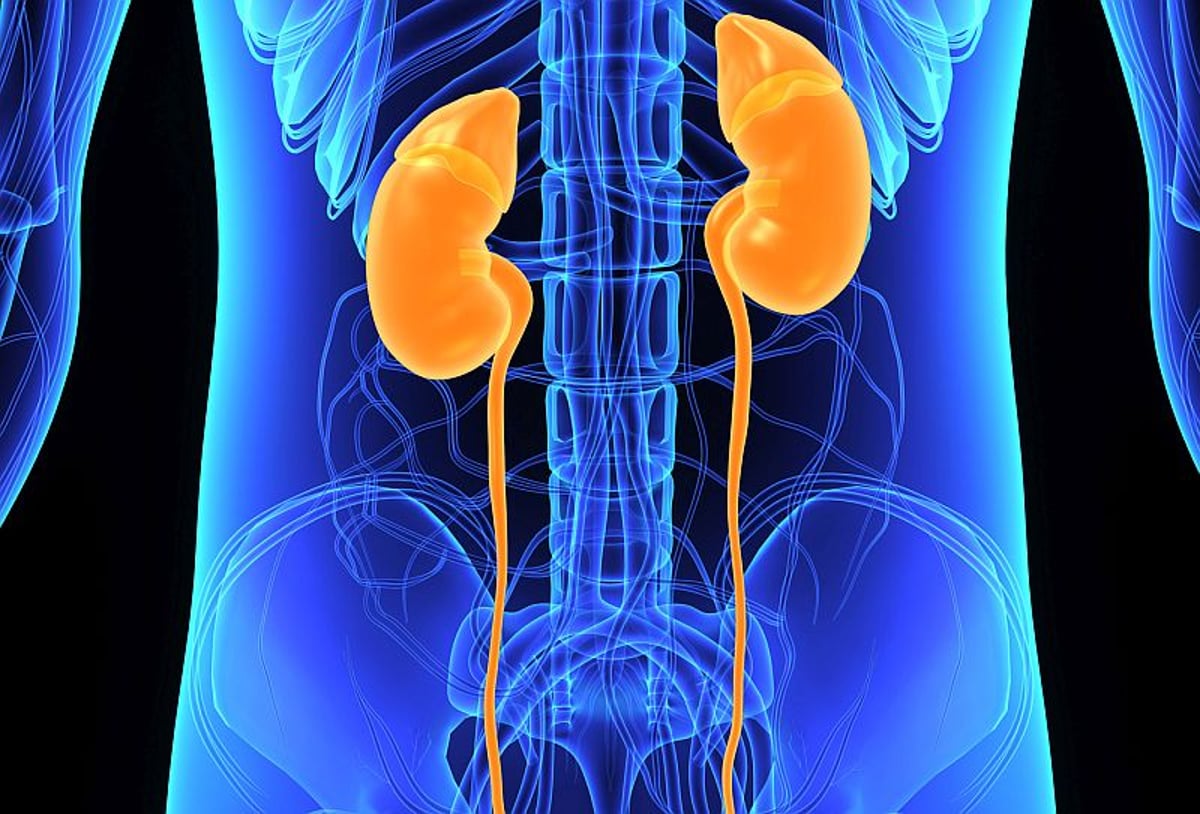
 Predicted ACR from urine protein-creatinine ratio has discrimination similar to ACR for risk prediction
MONDAY, July 13, 2020 (HealthDay News) — Predicted albumin-creatinine ratio (ACR) calculated from urine protein-creatinine ratio (PCR) or urine dipstick protein may be useful for chronic kidney disease (CKD) screening, staging, and prognosis, according to research published online July 14 in the Annals of Internal Medicine.
Keiichi Sumida, M.D., M.P.H., Ph.D., from the University of Tennessee Health Science Center in Memphis, and colleagues developed equations for converting urine PCR and dipstick protein to urine ACR and to test their diagnostic accuracy in CKD screening. Data were included from 12 research and 21 clinical cohorts, with 919,383 adults.
The researchers found that for PCR values <50 mg/g, the association between PCR and ACR was inconsistent. The PCR conversion equations exhibited moderate sensitivity (91, 75, and 87 percent) and specificity (87, 89, and 98 percent) for screening (ACR >30 mg/g) and classification into stages A2 and A3, respectively, for higher PCR values. For screening for ACR values >30 mg/g and classification into stages A2 and A3, urine dipstick categories of trace or greater, trace to +, and ++, respectively, had moderate sensitivity (62, 36, and 78 percent, respectively) and high specificity (88, 88, and 98 percent). The estimated two-year four-variable kidney failure risk equation using predicted ACR from PCR had discrimination similar to that of observed ACR for individual risk prediction.
“Predicted ACR may be useful and informative for harmonization across research studies, CKD screening and classification efforts, and use in risk prediction equations,” the authors write.
Abstract/Full Text (subscription or payment may be required)
Editorial (subscription or payment may be required)
.jpg) Pregnancy Complications Linked to Subsequent Risk for Cardiometabolic-Renal Conditions
Pregnancy Complications Linked to Subsequent Risk for Cardiometabolic-Renal Conditions  Urine Cell-Free RNA Shows Promise as Biomarker for Bladder Cancer
  Age-, Joint-Specific Ultrasound Reference Values Set for Healthy Joints
  GLP-1 Receptor Agonists, SGLT-2is Slow Renal Function Decline in T2D With Albuminuria
  Drug Interactions Reducing Contraceptive Effectiveness Common in Epilepsy
 .jpg) Most Specialty Oral Anticancer Meds for Blood Cancers Are Initially Rejected by Insurers
Most Specialty Oral Anticancer Meds for Blood Cancers Are Initially Rejected by Insurers  1 in 3 With Lupus Take Supplements, Medications With Potential for Interactions
  Holding DMARDs at Time of COVID-19 Vaccine Not Warranted in Those With Inflammatory Arthritis


