


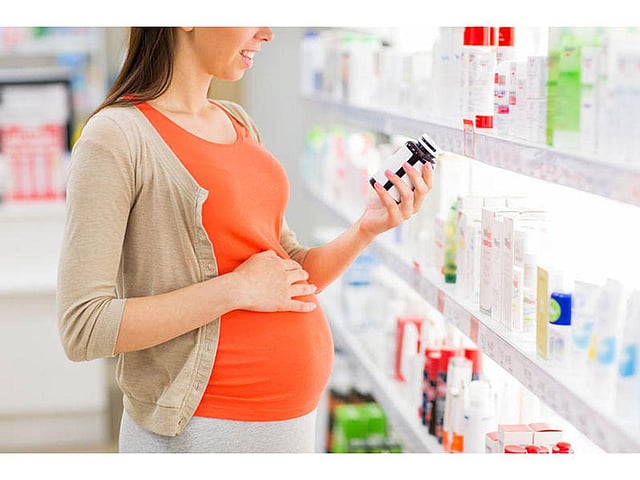
Women excluded in 23 percent of studies; pregnant and lactating people only included in 17 percent
MONDAY, Nov. 1, 2021 (HealthDay News) — Women and pregnant people are underrepresented in research that informs nutrient reference values, according to a study published online Oct. 22 in Science Advances.
Emily R. Smith, Sc.D., M.P.H., from The George Washington University in Washington, D.C., and colleagues examined whether the historical underrepresentation of women and pregnant people in research extended to research informing nutrient reference values, such as the U.S. and Canadian Dietary Reference Index (DRI).
The researchers extracted data from 704 studies after screening the DRI reports for 23 micronutrients. In 23 percent of the studies, women were excluded, and they accounted for a smaller proportion of the sample size (29 percent). Seventeen percent of the studies included pregnant or lactating people. Studies that were most likely to include men only were those that used rigorous design elements such as controlled feeding and stable isotope studies. More than 90 percent of studies did not report race or ethnicity.
“Future versions of these national and international guidance reports should include metrics of diversity and inclusion, and any data used must be examined for sex-specific effects. Funders and researchers must redouble their efforts to include women and pregnant people in studies that can inform future versions of the nutrient reference values,” Smith said in a statement. “Ultimately such efforts would help the private sector, governments, and the public get the nutritional information needed to support good health.”
One author disclosed financial ties to Balchem.
 Low Levels of Placental Growth Factor in Pregnancy Linked to Subsequent ADHD in Offspring
  Recommendations Issued for Use of Incretin-Based Meds in Pregnancy
  Eating More Ultraprocessed Foods Heightens Risk for Chronic Diseases
 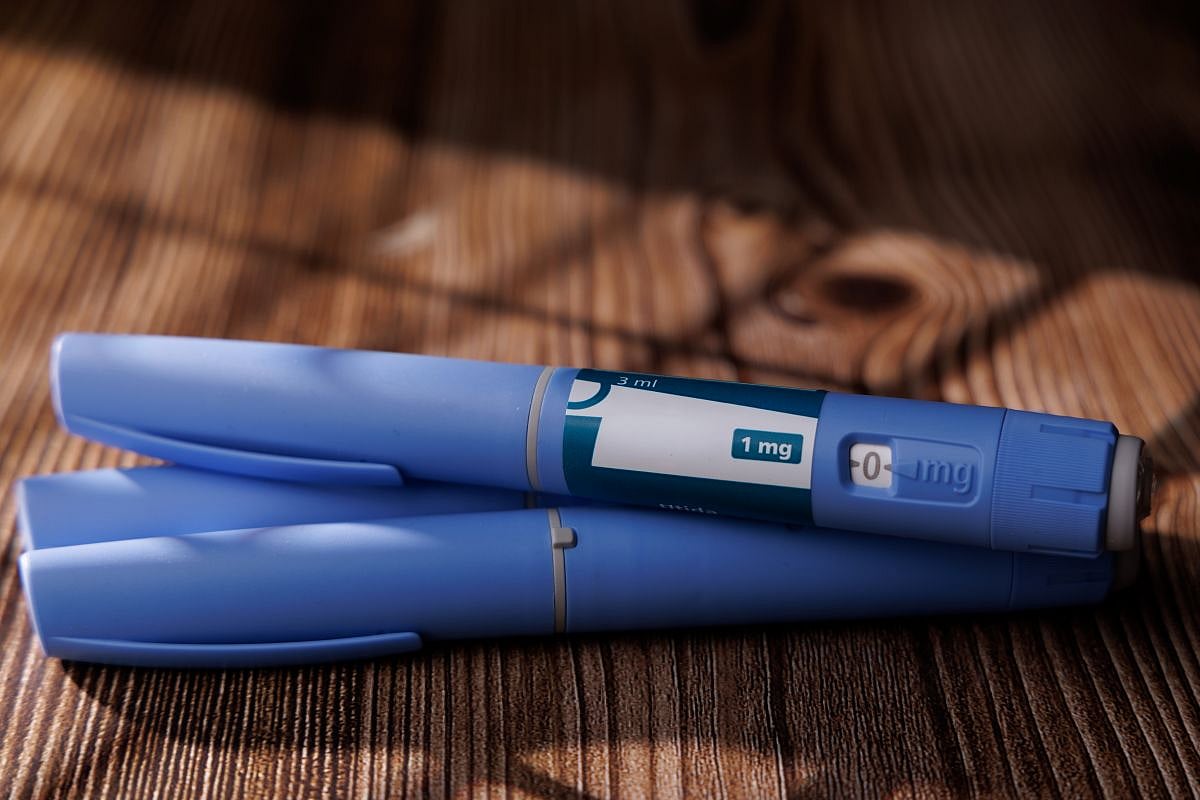 Nutritional Deficiencies Seen in Youth Taking GLP-1 Receptor Agonists
 .jpg) Considerable Gaps Reported in Care for Youth With Opioid Use Disorder
Considerable Gaps Reported in Care for Youth With Opioid Use Disorder .jpg) Mortality Lowest at Hemoglobin Concentrations Above WHO Thresholds
Mortality Lowest at Hemoglobin Concentrations Above WHO Thresholds  Oral Vitamin C Active in Clonal Cytopenia of Undetermined Significance
  2009 to 2023 Saw Surge in Probiotic Supplement Use



.jpg)
