Transmission detected up to a maximum of four days before onset of symptoms
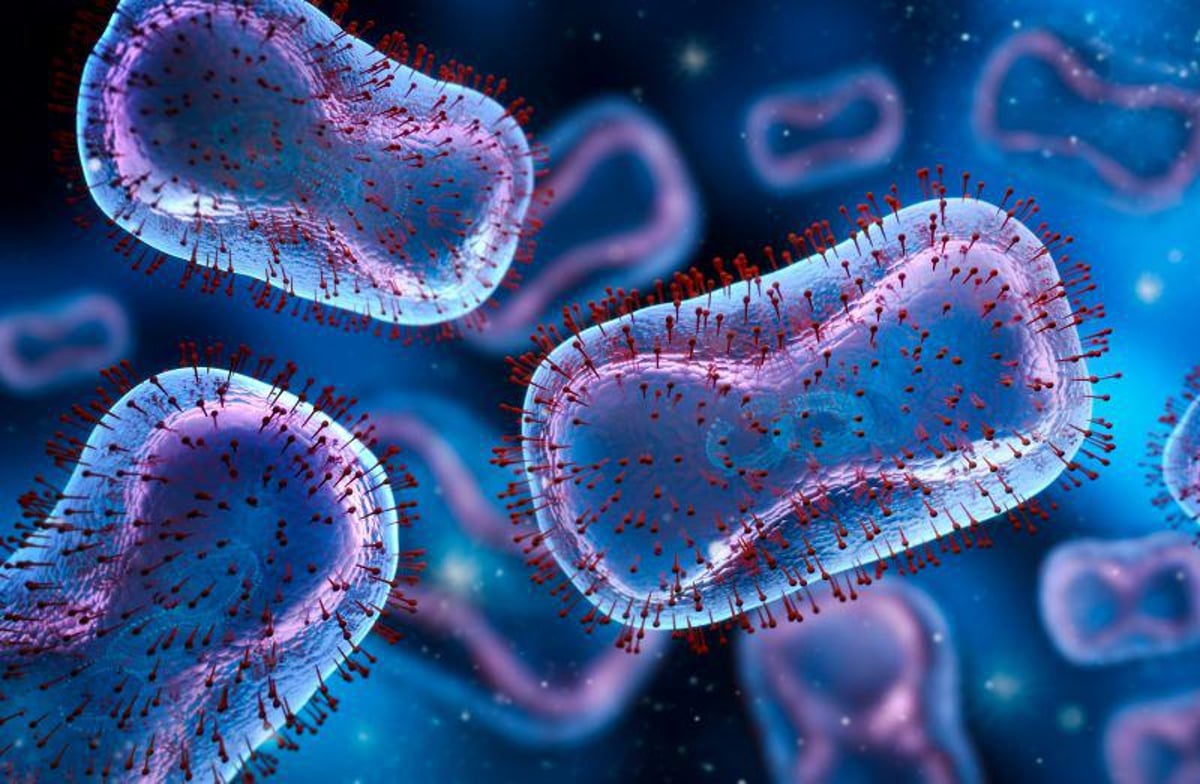
THURSDAY, Nov. 3, 2022 (HealthDay News) — Substantial monkeypox transmission occurs before symptoms appear or are detected, according to a study published online Nov. 2 in The BMJ.
Thomas Ward, from the U.K. Health Security Agency in London, and colleagues assessed transmission dynamics of the monkeypox outbreak in the United Kingdom. The analysis included contact tracing from 2,746 people with polymerase chain reaction-confirmed monkeypox virus between May 6 and Aug. 1, 2022.
The researchers estimated that the mean incubation period was 7.6 days using the interval censoring corrected model and 7.8 days using the interval censoring right truncation corrected model, while the estimated mean serial interval was 8.0 days and 9.5 days, respectively. While both models yielded a mean serial interval that was longer than the incubation period, short serial intervals were more common than short incubation periods, with the 25th centile and the median of the serial interval shorter than the incubation period. Ten of 13 linked patients had presymptomatic transmission documented. Four days was the maximum time that transmission was detected before symptoms manifested.
“An isolation period of 16 to 23 days would be required to detect 95 percent of people with a potential infection,” the authors write.
 Significant Association ID"d Between Hepatitis C, Overactive Bladder
 .jpg) Study Looks at Barriers to Initiation of Rotavirus Vaccine
Study Looks at Barriers to Initiation of Rotavirus Vaccine  Obstructive Sleep Apnea Tied to Nearly Doubled Risk for Flu, COVID-19 in Childhood
  Noninvasive Prenatal Screening Can Identify Cytomegalovirus Risk
  Recommendations Issued for Use of Incretin-Based Meds in Pregnancy
  Urine Cell-Free RNA Shows Promise as Biomarker for Bladder Cancer
  Age-, Joint-Specific Ultrasound Reference Values Set for Healthy Joints
  Retinal Imaging Can ID Atrial Fibrillation Years Before Diagnosis