Transgender adults with cirrhosis have higher proportions of anxiety, depression, HIV/AIDS
THURSDAY, Dec. 26, 2024 (HealthDay News) — Trans- versus cisgender adults have an increased prevalence of cirrhosis but similar five-year survival, according to a study published in the December issue of the American Journal of Gastroenterology.
Hirsh Elhence, from the Keck School of Medicine at the University of Southern California in Los Angeles, and colleagues calculated the age-standardized prevalence of cirrhosis among cisgender versus transgender adults in the Optum deidentified Clinformatics Data Mart Database between 2007 and 2022. For those with diagnoses of incident cirrhosis, age-standardized incidence densities of liver-related outcomes and all-cause mortality were calculated. Using inverse probability treatment weighting, five-year survival was examined.
Overall, 0.07 percent of the 64,615,316 adults were transgender; 0.09 percent of the 329,251 adults with cirrhosis were transgender. The researchers found that the prevalence of cirrhosis was higher for trans- versus cisgender adults (1,285 versus 561 per 100,000). Among those with cirrhosis, trans- versus cisgender adults had higher proportions of anxiety (70.7 versus 43.2 percent), depression (66.4 versus 38.4 percent), HIV/AIDS (8.5 versus 1.6 percent), and alcohol (57.5 versus 51.0 percent) and viral etiologies (30.5 versus 24.2 percent). Similar densities of death, decompensation, and liver transplantation were seen for trans- versus cisgender adults (12.0 versus 14.0, 15.7 versus 14.1, and 0.3 versus 0.3 per 100 person-years, respectively). Transgender and cisgender individuals were found to have similar five-year survival probabilities in an inverse probability treatment weighting survival analysis (63.4 versus 59.1 percent).
“Our findings suggest that transgender individuals represent a vulnerable population that require specific attention from clinicians and researchers alike,” the authors write.
Abstract/Full Text (subscription or payment may be required)
 Increase Seen in Rates of Xenobiotic-Induced Liver Injury From 2020 to 2024
  Study IDs Gaps in Hereditary Breast Cancer Risk Assessment Before Gender-Affirming Mastectomy
 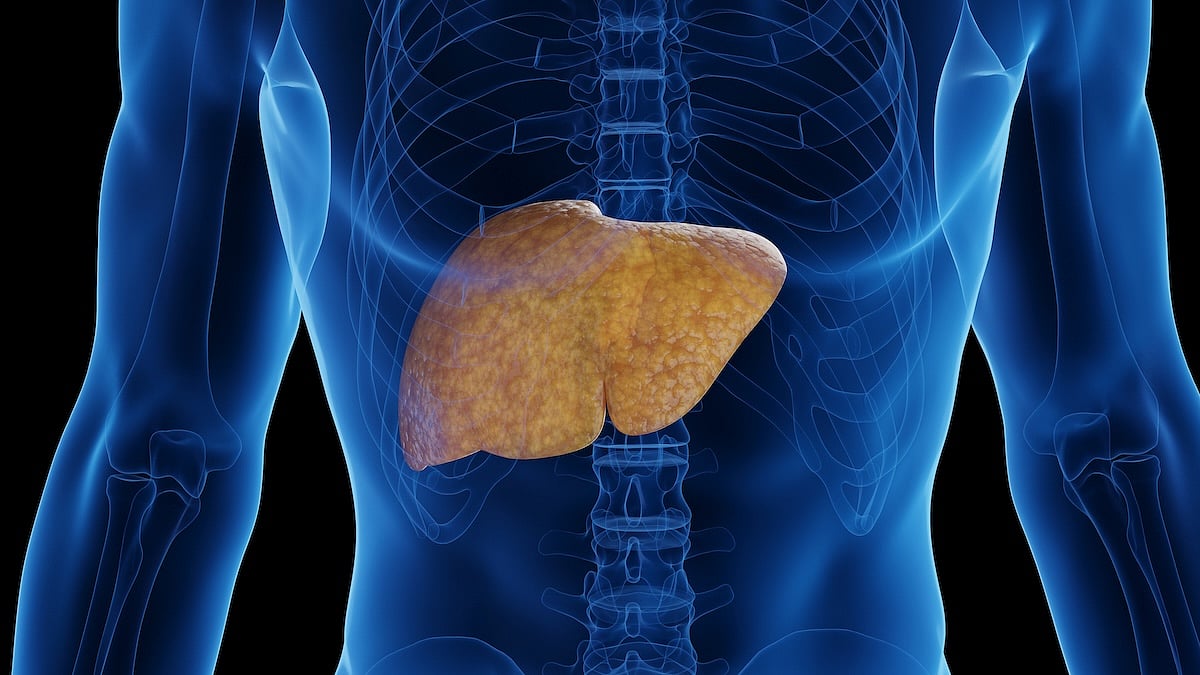 Impact of Alcohol Intake on Fibrosis Risk Varies by Sex, Liver Disease
 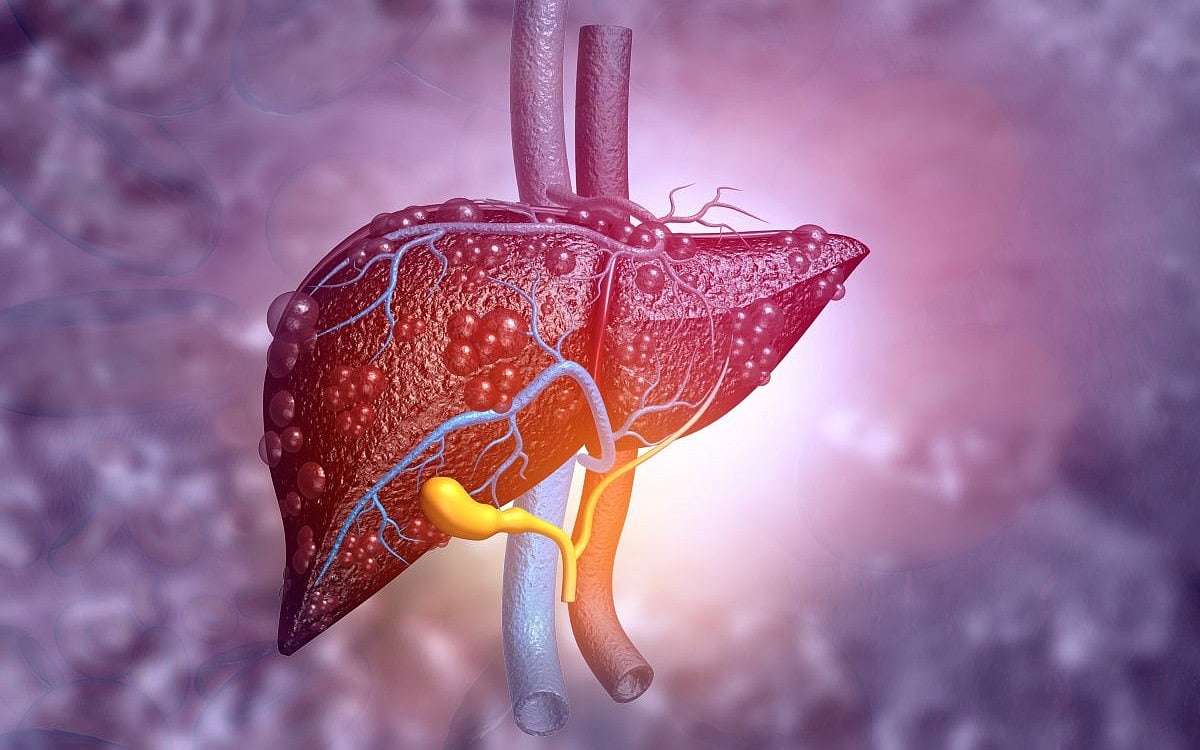 Link Between Liver Fibrosis in MASLD, ASCVD Varies by Glycemic Status
  Add-On Tirzepatide May Reduce MACE Risk in People With T2D, ASCVD
  Considerable Gaps Identified in LDL Cholesterol Control
  Cardiovascular Risk Factors Linked to Increased Plaque Burden
  87.5 Million U.S. Adults Now Eligible for Statins Under New Guidelines