


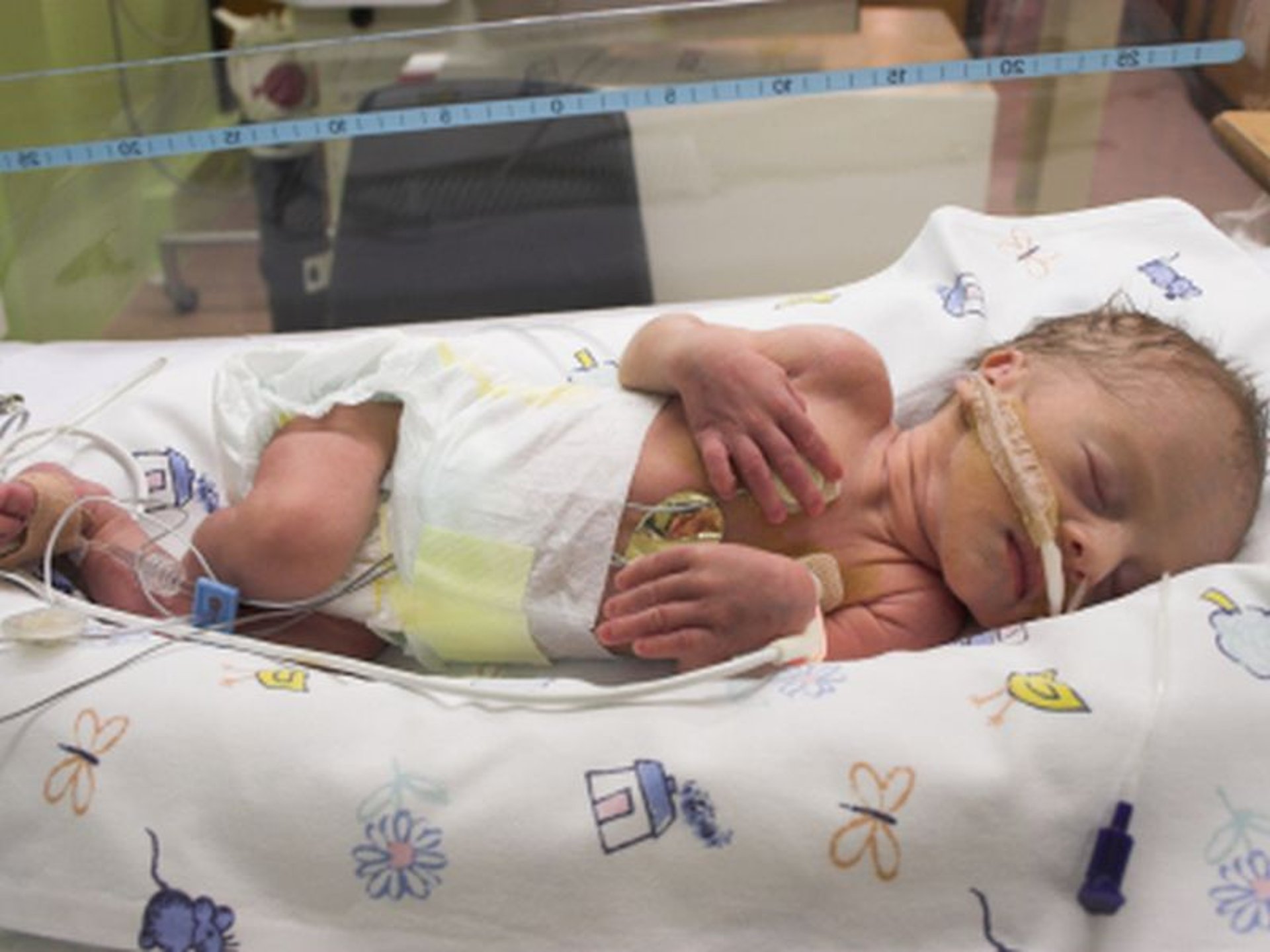
 Policies relating to isolating infants, permitting direct maternal breastfeeding rapidly evolving
THURSDAY, Oct. 29, 2020 (HealthDay News) — The prevalence of COVID-19 is low among infants in the neonatal intensive care unit (NICU), according to a study published online Oct. 19 in the American Journal of Perinatology.
Kaashif A. Ahmad, M.D., from the Pediatrix Medical Group of San Antonio, and colleagues surveyed NICUs regarding COVID-19 patient burden and policies relating to infant separation, feeding practices, and universal maternal screening. Survey responses represented an active patient census of 3,465; 3,486; 3,452; and 3,442 NICU patients from March 26 to April 3, April 8 to April 19, May 4 to May 22, and July 13 to Aug. 2, 2020, respectively.
The researchers found that confirmed COVID-19 was rare in NICU-admitted infants, with the prevalence increasing from 0.03 to 0.44 percent (one to 15 patients) across the four survey rounds. There was an increase in the prevalence of patients under investigation from 0.8 to 2.6 percent. Between the second and fourth surveys, hospitals isolating infants from COVID-19-positive mothers decreased from 46 to 20 percent; during the same period, centers permitting direct maternal breastfeeding increased from 17 to 47 percent. There was an increase from 52 to 69 percent in centers reporting universal severe acute respiratory syndrome coronavirus 2 screening for all expectant mothers.
“For mothers under investigation or positive for COVID 19, policies had been commonly enacted to restrict maternal-infant exposures and to limit direct breastfeeding, but we found these policies to be rapidly evolving,” the authors write.
Abstract/Full Text (subscription or payment may be required)
 Withdrawal From Medetomidine Increasingly Seen in ICUs
  Maternal Vitamin D Status Linked to Preterm Delivery
  NEWS2 Scores Can ID Patients With Suspected Sepsis Needing Timely Treatment
 .jpeg) Flu Treatment With Oseltamivir Linked to Reduced Risk for Pediatric ICU Admissions, Length of Stay
Flu Treatment With Oseltamivir Linked to Reduced Risk for Pediatric ICU Admissions, Length of Stay .jpg) Considerable Gaps Reported in Care for Youth With Opioid Use Disorder
Considerable Gaps Reported in Care for Youth With Opioid Use Disorder  Nutritional Deficiencies Seen in Youth Taking GLP-1 Receptor Agonists
  Youth Suicide Risk Linked to Community Firearm Violence
  Trends Reported in Vaccination Coverage for Adolescents for 2025


.jpg)

