 Type 2 diabetes risk increased with increasing length of PPI use, particularly use for more than two years
TUESDAY, Sept. 29, 2020 (HealthDay News) — Regular use of proton pump inhibitors (PPIs) is associated with an increased risk for type 2 diabetes, according to a study published online Sept. 28 in Gut.
Jinqiu Yuan, Ph.D., from Sun Yat-Sen University in Shenzhen, China, and colleagues conducted a prospective analysis of 204,689 participants free of diabetes in the Nurses’ Health Study (NHS), NHS II, and Health Professionals Follow-up Study to examine the regular use of PPIs and the risk for type 2 diabetes.
During 2,127,471 person-years of follow-up, the researchers documented 10,105 incident cases of diabetes. Compared with nonusers, regular PPI users had an increased risk for diabetes (hazard ratio, 1.24; 95 percent confidence interval, 1.17 to 1.31). There was an increase in diabetes risk with increasing duration of PPI use. Compared with nonusers, participants who used PPIs for zero to two years and more than two years had fully adjusted hazard ratios of 1.05 (95 percent confidence interval, 0.93 to 1.19) and 1.26 (95 percent confidence interval, 1.18 to 1.35), respectively.
“Owing to its wide usage, the overall number of diabetes cases associated with PPI use could be considerable. Given the potential risk of diabetes and other adverse effects such as enteric infections, clinicians should carefully balance the benefits and harms in prescribing PPIs, particularly for long-term continuous use,” the authors write. “For patients who have to receive long-term PPI treatment, screening for abnormal blood glucose and type 2 diabetes is recommended.”
 GLP-1 Receptor Agonists, SGLT-2is Slow Renal Function Decline in T2D With Albuminuria
 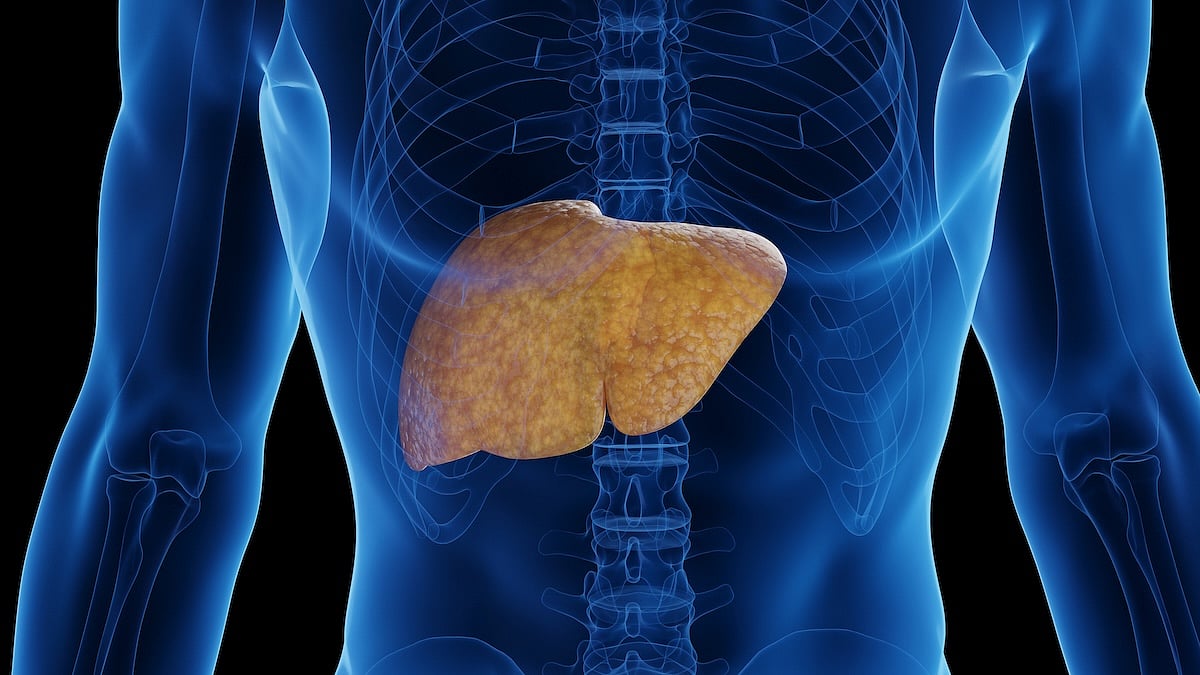 Genetics, Diabetes Tied to MASLD-Associated Cirrhosis Before Age 50
  Study IDs Risk Factors for Ketoacidosis in Adults With T2D Receiving SGLT2 Inhibitors
  Long-Term Medication Adherence Tied to Lower Cardiovascular Event Rate in Type 2 Diabetes
  Polypharmacy of Prescription Medications Increased for U.S. Older Adults
  Low Hydroxychloroquine Intake, Blood Levels Linked to ASCVD Risk in Lupus
  Blinatumomab Improves Event-Free Survival in Children With High-Risk B-Cell ALL
  Anifrolumab Tied to Lower Hospitalization, Infection Risk in Lupus
.jpg)