


Small increased risk for idiopathic thrombocytopenic purpura seen after first dose with estimated incidence of 1.13 cases per 100,000 doses
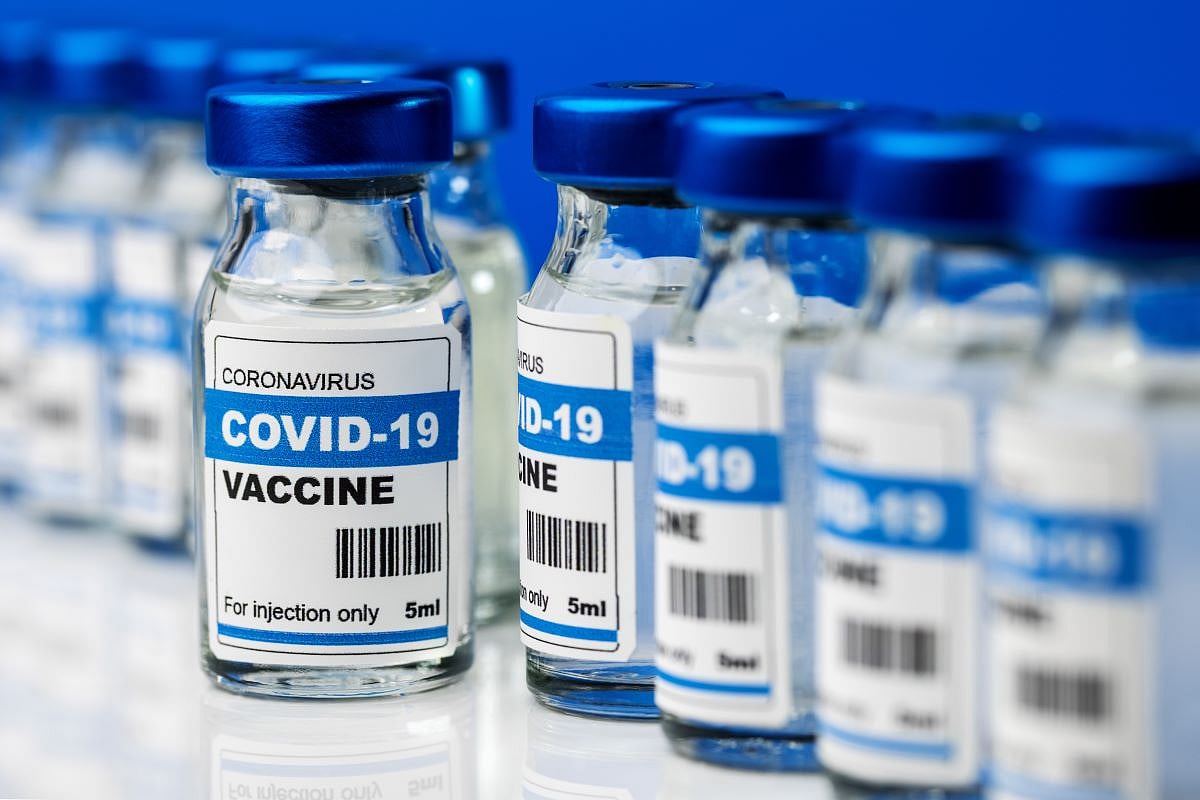
FRIDAY, June 18, 2021 (HealthDay News) — The ChAdOx1 COVID-19 vaccine is associated with a small increased risk for idiopathic thrombocytopenic purpura (ITP), according to a study published online June 9 in Nature Medicine.
Colin R. Simpson, Ph.D., from the Victoria University of Wellington in New Zealand, and colleagues used a nested incident-matched case-control study and confirmatory self-controlled case series (SCCS) analysis to estimate associations between exposure to the first-dose ChAdOx1 or BNT162b2 vaccination and hematological and vascular adverse events.
The researchers identified an association between ChAdOx1 vaccination and ITP zero to 27 days after vaccination (adjusted rate ratio [aRR], 5.77; 95 percent confidence interval [CI], 2.41 to 13.83), with an estimated incidence of 1.13 per 100,000 doses; in the SCCS analysis, this finding was found to be unlikely due to bias (RR, 1.98; 95 percent CI, 1.29 to 3.02). An increased risk for arterial thromboembolic events was also seen at zero to 27 days after vaccination (aRR, 1.22; 95 percent CI, 1.12 to 1.34), with an SCCS RR of 0.97 (95 percent CI, 0.93 to 1.02). There were no positive associations seen for BNT162b2 with thrombocytopenic, thromboembolic, or hemorrhagic events.
“Reassuringly, we did not identify any overall increased risk of ITP, clotting, and bleeding events in those receiving the Pfizer-BioNTech mRNA vaccine,” Simpson said in a statement. “We are now planning to update our analysis as the vaccine program is being extended to younger, healthier individuals and as new vaccines are becoming available.”
 Nearly 3 in 4 Older Adults Express Interest in Vaccine to Prevent Dementia
  Updated COVID-19 Shot Beneficial for Those With Autoimmune Rheumatic Disease
  AAP Issues Recommendations for Pediatric RSV Vaccination in 2026-2027 Season
  Trends Reported in Vaccination Coverage for Adolescents for 2025
 .jpg) Considerable Gaps Reported in Care for Youth With Opioid Use Disorder
Considerable Gaps Reported in Care for Youth With Opioid Use Disorder  Nutritional Deficiencies Seen in Youth Taking GLP-1 Receptor Agonists
  Youth Suicide Risk Linked to Community Firearm Violence
  Social Media Warnings Could Discourage Use Among Teens, Young Adults


.jpg)

