


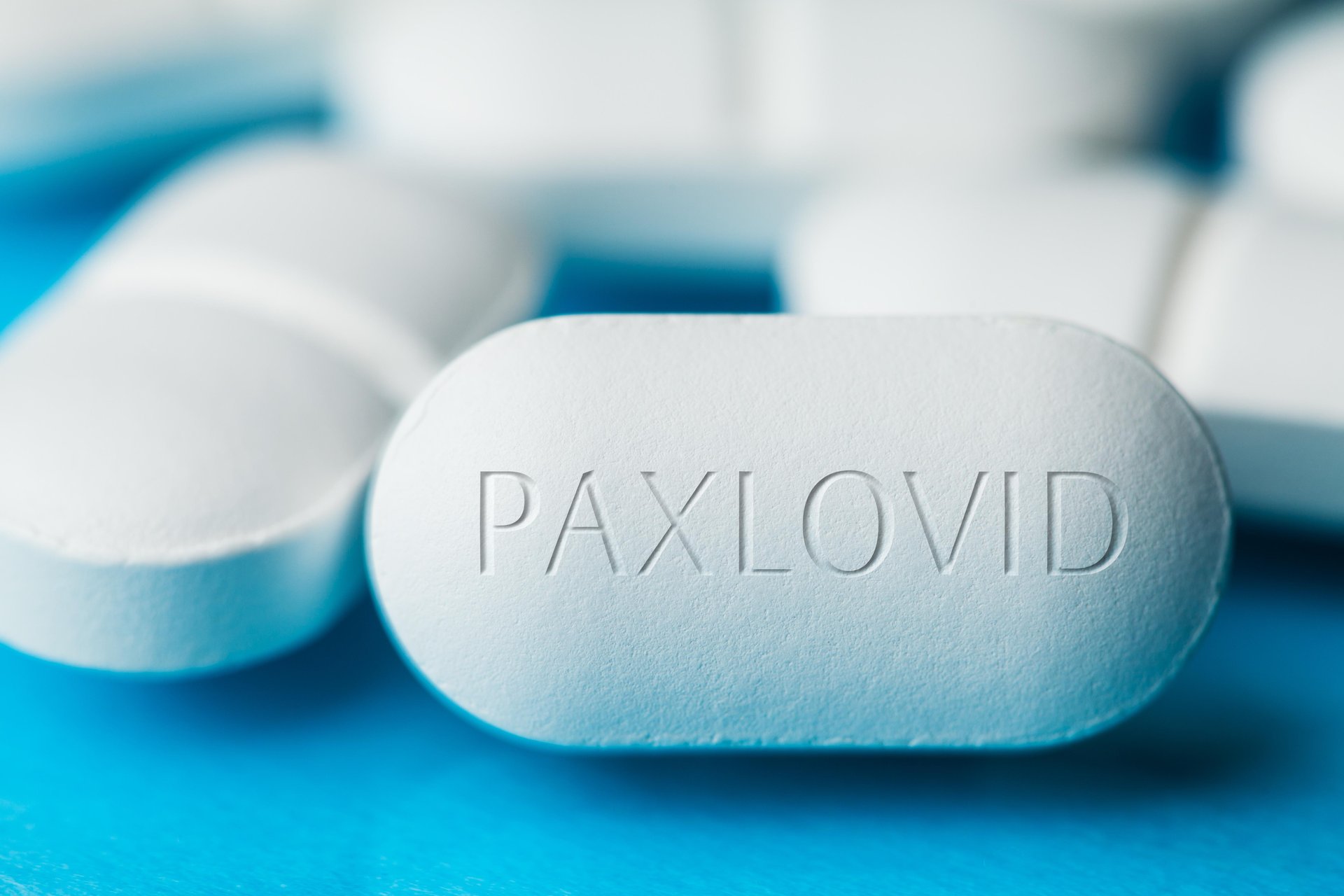
Only 0.8 percent of 483 patients with mild-to-moderate SARS-CoV-2 at high risk for severe disease progression had rebound
THURSDAY, June 16, 2022 (HealthDay News) — Few patients experience rebound of COVID-19 symptoms after nirmatrelvir/ritonavir (NM/R) treatment, according to research published online June 14 in Clinical Infectious Diseases.
Nischal Ranganath, M.D., Ph.D., from the Mayo Clinic in Rochester, Minnesota, and colleagues conducted a retrospective review among patients who received NM/R treatment for mild-to-moderate severe acute respiratory syndrome coronavirus 2. Data were included for 483 patients (median age, 63 years) who had a high risk for severe disease progression. Overall, 93 percent of the patients were fully vaccinated.
The researchers found that four of the patients (0.8 percent) experienced symptom rebound, defined as recurrence of COVID-19 symptoms following successful completion of five days of NM/R therapy, at a median of nine days after NM/R treatment. All four were fully vaccinated. None of the patients required hospitalization, and all improved without further treatment.
“Rebound after NM/R treatment is uncommon in our population of high-risk, but mostly nonimmunocompromised [patients],” the authors write. “Among the patients who developed rebound of symptoms after NM/R treatment, the clinical presentation was mild and did not require COVID-19 directed therapies.”
Abstract/Full Text (subscription or payment may be required)
 Drug Interactions Reducing Contraceptive Effectiveness Common in Epilepsy
 .jpg) Most Specialty Oral Anticancer Meds for Blood Cancers Are Initially Rejected by Insurers
Most Specialty Oral Anticancer Meds for Blood Cancers Are Initially Rejected by Insurers  Holding DMARDs at Time of COVID-19 Vaccine Not Warranted in Those With Inflammatory Arthritis
  1 in 3 With Lupus Take Supplements, Medications With Potential for Interactions
  2013 to 2024 Saw Decrease in Benzodiazepine Prescribing
  GLP-1 Receptor Agonists, SGLT-2is Slow Renal Function Decline in T2D With Albuminuria
  Polypharmacy of Prescription Medications Increased for U.S. Older Adults
  Low Hydroxychloroquine Intake, Blood Levels Linked to ASCVD Risk in Lupus




