


Men diagnosed before age 40 years have 72 percent higher risk than those diagnosed at 50 years or older
TUESDAY, Oct. 5, 2021 (HealthDay News) — Men with young-onset type 2 diabetes are at higher risk for retinopathy, according to a study presented at the annual meeting of the European Association for the Study of Diabetes, held virtually from Sept. 28 to Oct. 1.
Katrina Tibballs, M.D., from the University of Oslo in Norway, and colleagues estimated the prevalence of young-onset type 2 diabetes in Norway and explored relationships between age at diagnosis and complications. The analysis included electronic medical record data from 10,242 adults with type 2 diabetes from 2014.
The researchers found that the prevalence of young-onset diabetes was 10.2 percent (mean age, 33.3 years at type 2 diabetes diagnosis). Compared with onset at 50 years or older, mean hemoglobin A1c (HbA1c) was higher in young-onset diabetes (60 versus 52 mmol/mol) and increased more with diabetes duration. At diagnosis, HbA1c was higher in young-onset men, but similar to onset at 50 years or older in women. In young-onset diabetes, retinopathy developed at an earlier age and the prevalence was almost three times higher versus onset at 50 years or older (15.5 versus 5.9 percent). After adjustments for confounders, the risk for retinopathy was higher in both young-onset men (odds ratio [OR], 2.56; 95 percent confidence interval [CI], 1.95 to 3.36) and women (OR, 2.25; 95 percent CI, 1.63 to 3.11). When adjusting further for diabetes duration, HbA1c, and systolic blood pressure, risk remained higher in young-onset men (OR, 1.72; 95 percent CI, 1.29 to 2.29) versus onset at 50 years or older, but not in young-onset women (OR, 1.34; 95 percent CI, 0.95 to 1.89).
“It is important that young-onset type 2 diabetes is detected early enough and treated adequately to reduce the likelihood of retinopathy and other complications,” Tibballs said in a statement.
.jpg) Pregnancy Complications Linked to Subsequent Risk for Cardiometabolic-Renal Conditions
Pregnancy Complications Linked to Subsequent Risk for Cardiometabolic-Renal Conditions  GLP-1 Receptor Agonists, SGLT-2is Slow Renal Function Decline in T2D With Albuminuria
 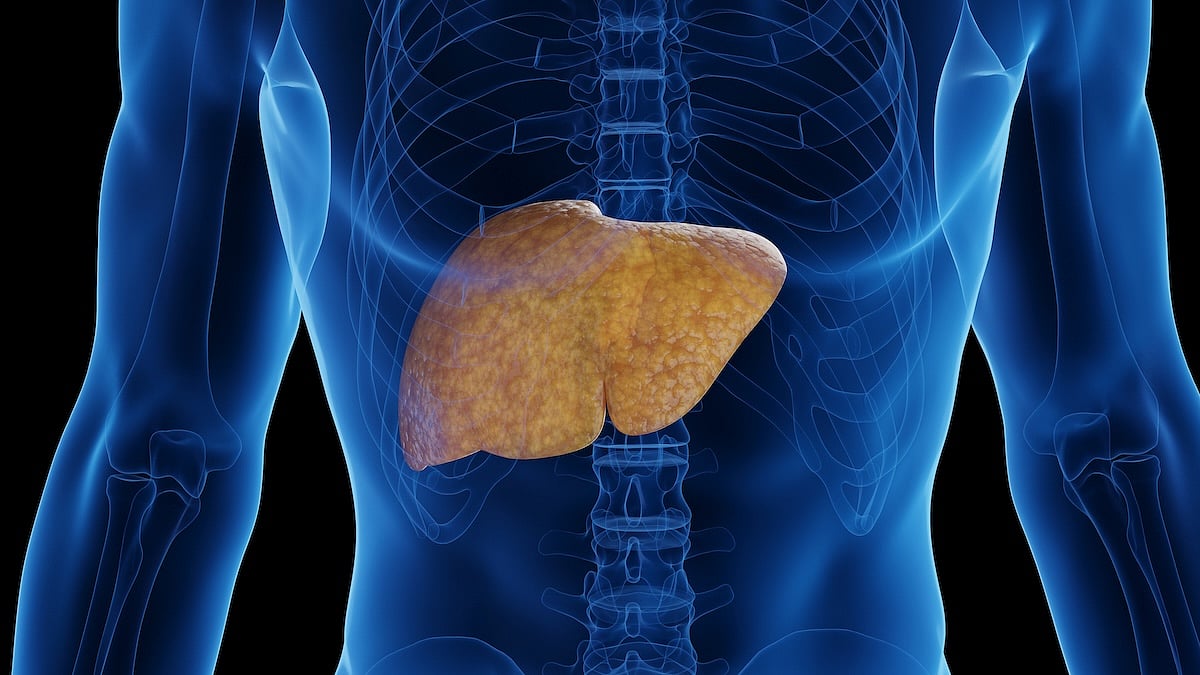 Genetics, Diabetes Tied to MASLD-Associated Cirrhosis Before Age 50
 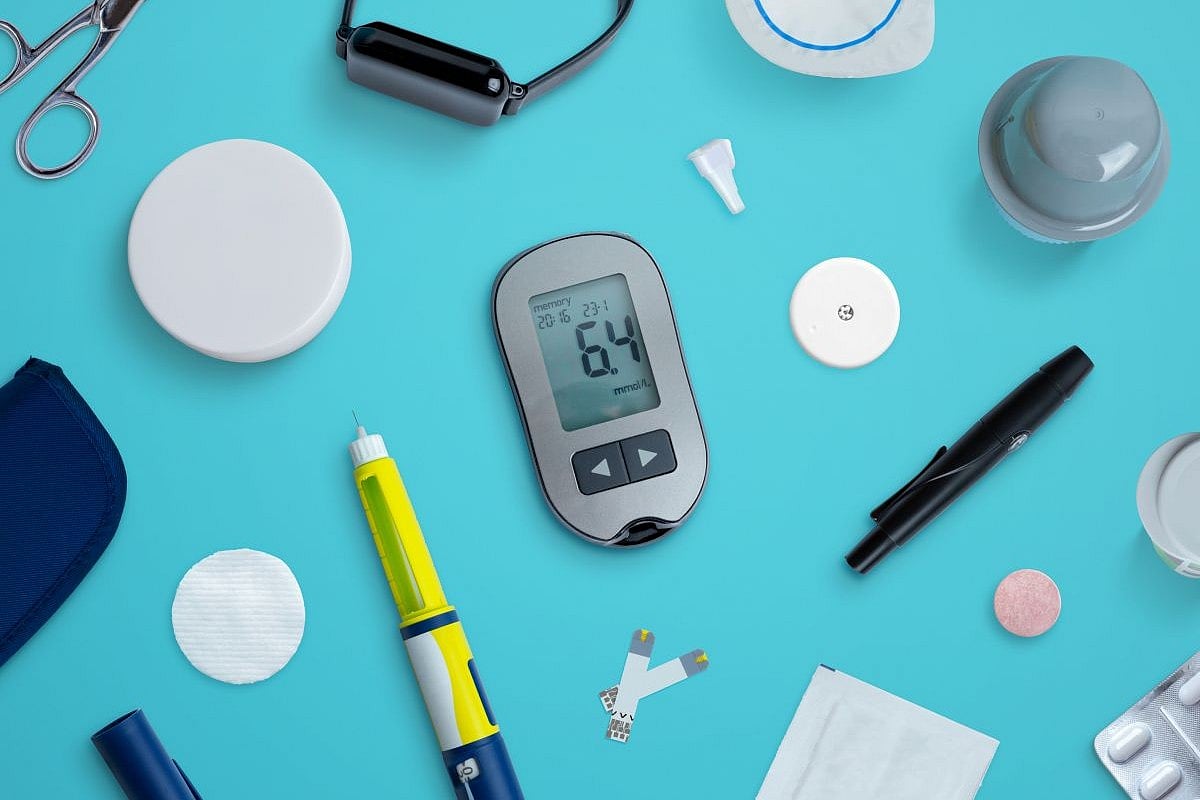 Study IDs Risk Factors for Ketoacidosis in Adults With T2D Receiving SGLT2 Inhibitors
 .jpg) Most Specialty Oral Anticancer Meds for Blood Cancers Are Initially Rejected by Insurers
Most Specialty Oral Anticancer Meds for Blood Cancers Are Initially Rejected by Insurers  Drug Interactions Reducing Contraceptive Effectiveness Common in Epilepsy
  Holding DMARDs at Time of COVID-19 Vaccine Not Warranted in Those With Inflammatory Arthritis
  1 in 3 With Lupus Take Supplements, Medications With Potential for Interactions


