


Common manifestations include neutrophilic dermatoses, vasculitis, granulomatous, connective tissue disease
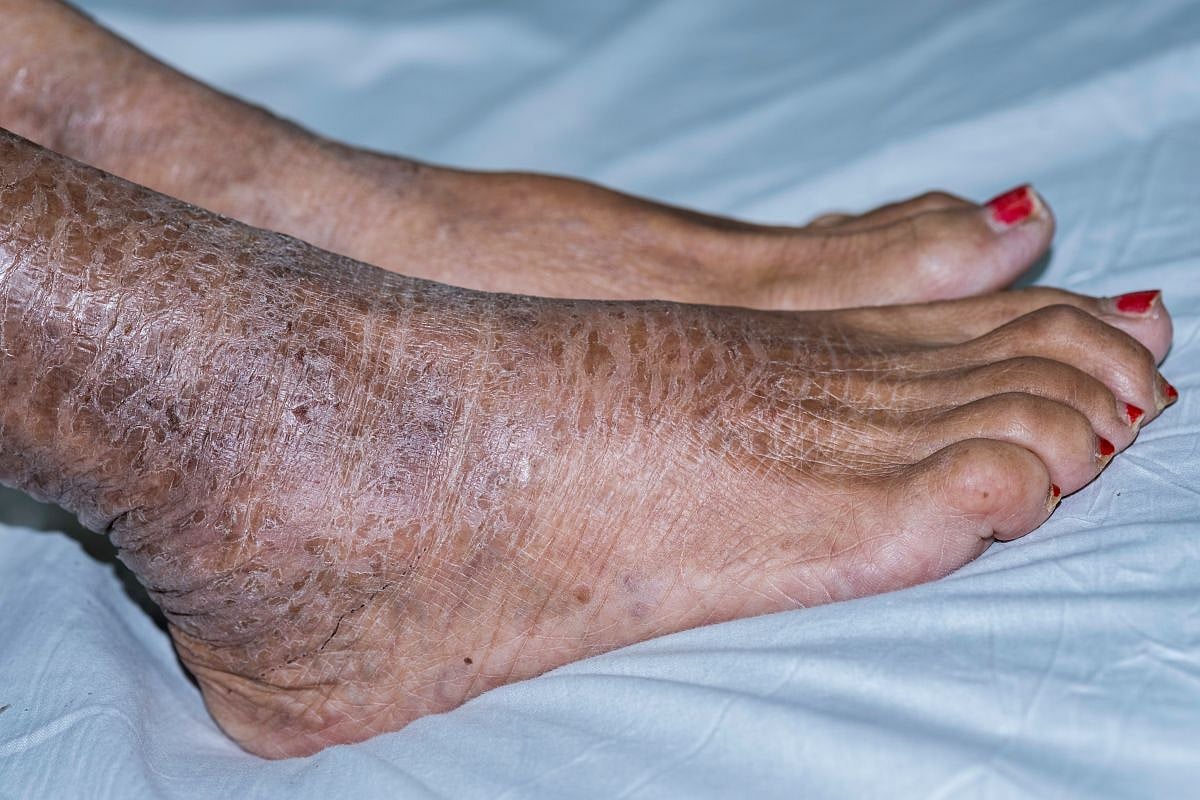
FRIDAY, April 19, 2024 (HealthDay News) — Cutaneous manifestations of myelodysplastic syndrome (MDS) are described in a perspective piece published in the April issue of Skin Health and Disease.
Xiang Li Tan, M.B.B.S., from St. George”s University Hospitals NHS Foundation Trust in London, and colleagues conducted a systematic review to examine the prevalence, types, and prognostic and therapeutic significance of nonspecific cutaneous manifestations of MDS. Data were included from 88 articles: 67 case reports and 21 case series, with a total of 134 patients.
The researchers identified six common cutaneous manifestations: neutrophilic dermatoses, vasculitis, granulomatous, connective tissue disease (CTD), panniculitis, immunobullous, and other. Cutaneous features occurred at the time of MDS diagnosis, preceded diagnosis, or occurred after diagnosis (25.3, 34.7, and 40.0 percent, respectively). Poor prognosis was seen, with 34.1 percent progressing to acute myeloid leukemia (AML) and 40.2 percent proving fatal. Of those with MDS who progressed to AML, 50 percent had neutrophilic dermatoses. In 39.2 percent of neutrophilic dermatoses, 50 percent of vasculitis, 62.5 percent of granulomatous, and 14.3 percent of CTD, MDS was fatal (median time from onset of cutaneous manifestation: 12.0, 7.5, 15.5, and 7.0 months, respectively).
“Recognition of patterns of cutaneous features in MDS will improve early diagnosis and risk stratification according to subtype and associated prognosis,” the authors write.
 Genetic Screening Can ID Hemoglobinopathy Prevalence
 Congenital Ichthyosis Linked to Allergic Disorders
.jpg) Mortality Lowest at Hemoglobin Concentrations Above WHO Thresholds
 Oral Vitamin C Active in Clonal Cytopenia of Undetermined Significance
 Nutritional Deficiencies Seen in Youth Taking GLP-1 Receptor Agonists
 Ultra-Endurance Running Accelerates Red Blood Cell Aging
 Recommendations Developed for Diagnosing Light Chain Amyloidosis
 IV Iron Dextran Cost-Effective for Managing Iron-Deficiency Anemia





