Sixteen percent of COVID-19 cases may only present with gastrointestinal symptoms, which include nausea, vomiting, diarrhea
FRIDAY, Nov. 6, 2020 (HealthDay News) — Gastrointestinal manifestations of severe acute respiratory syndrome coronavirus 2 (SARS-CoV-2) infection occur in about 18 percent of patients and can include loss of appetite, nausea, vomiting, and diarrhea, according to a review recently published in Abdominal Radiology.
Kevin Lui, from the University of Alberta in Edmonton, Canada, and colleagues conducted a systematic review that included case reports and series discussing radiologic manifestations of SARS-CoV-2 infection in abdominal imaging studies. Data from 36 studies were included in a qualitative synthesis.
The researchers found that the prevalence of gastrointestinal symptoms was about 18 percent; symptoms included loss of appetite, nausea, vomiting, diarrhea, and abdominal pain. Of COVID-19 cases, 16 percent may only present with gastrointestinal symptoms. Many patients who only present with gastrointestinal symptoms show incidental evidence of COVID-19 through abdominal computed tomography imaging at the lung bases. Abdominal imaging findings reported to date include small and large bowel wall thickening, fluid-filled colon, pneumatosis intestinalis, pneumoperitoneum, intussusception, and ascites.
“Gastrointestinal manifestations of COVID-19 have been increasingly recognized,” the authors write. “Identifying these features on abdominal imaging highlight the need to consider and evaluate for other manifestations of COVID-19 such as lung parenchymal findings.”
 People With ADHD Experience 50 Percent More GI Symptoms
 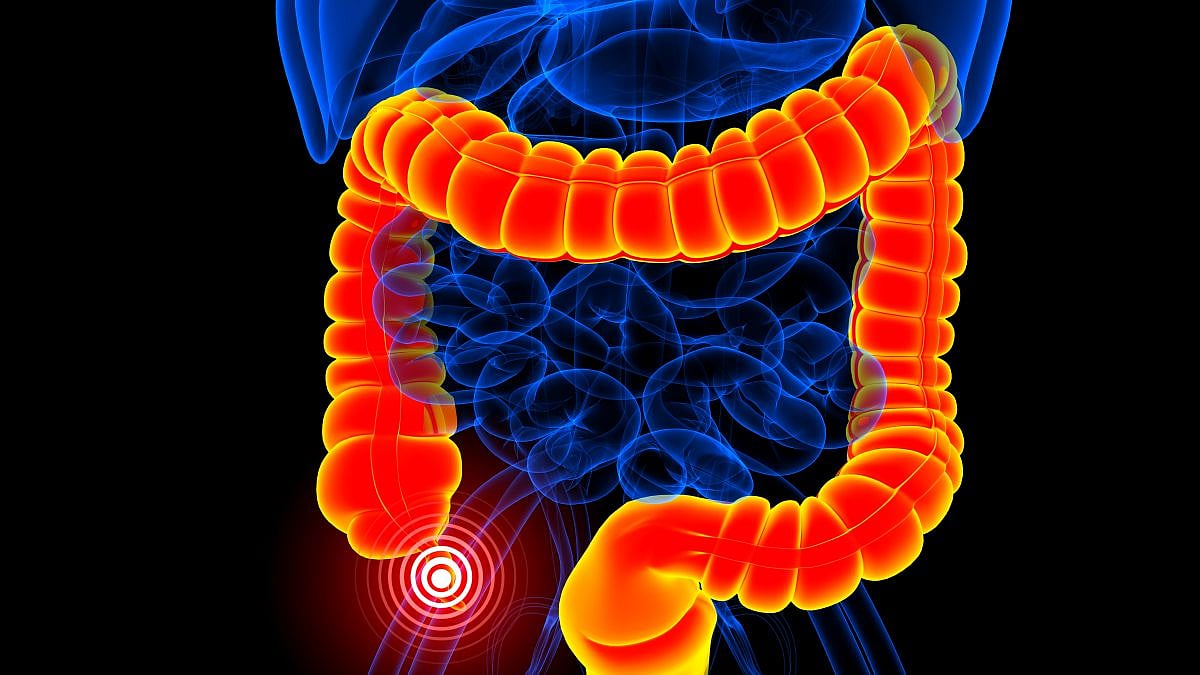 Relapse Rare After Appendiceal Adenocarcinoma Resection
  Metabolic Dysfunction-Associated Steatotic Liver Disease Linked to Higher Odds of Eosinophilic Esophagitis
  Eosinophilic Esophagitis Prevalence May Be Higher Than Thought in Pediatric Patients With Asthma
 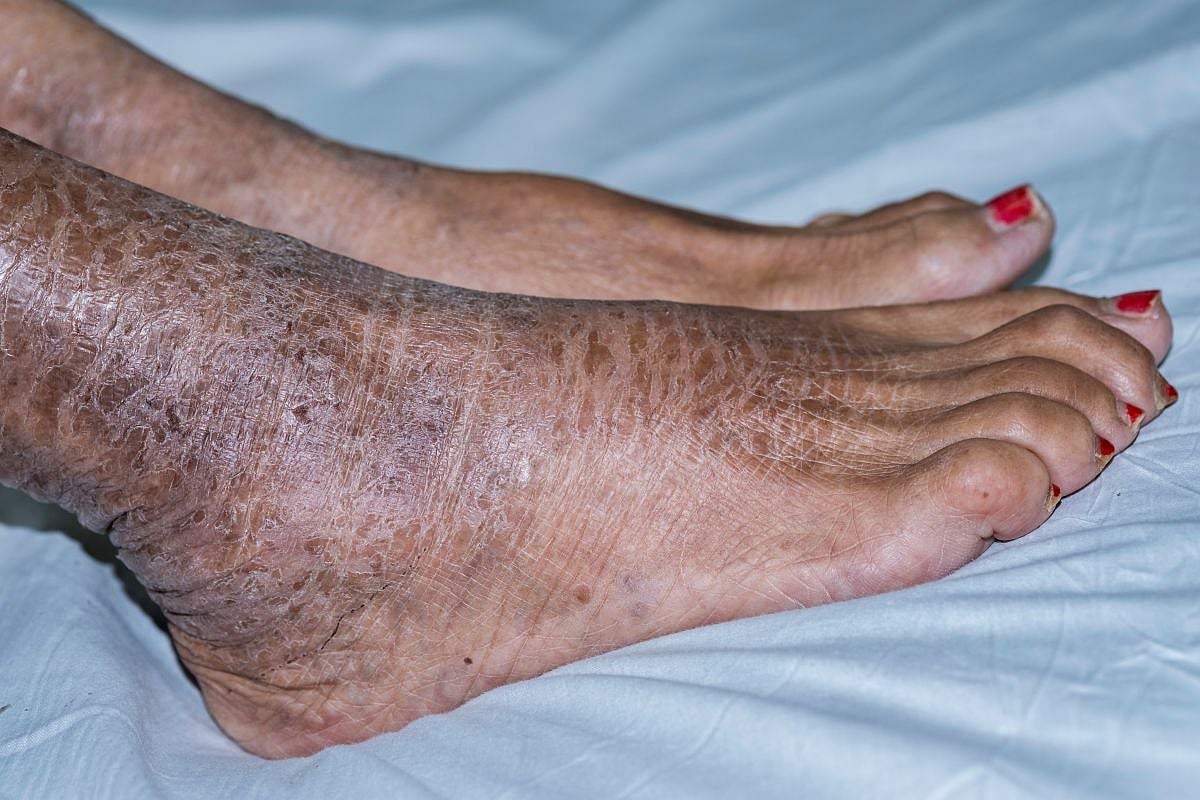 Congenital Ichthyosis Linked to Allergic Disorders
  U.S. Adults May Not Understand Their Risk for Vascular Disease
  Distinct Skin Microbiome Features Emerge Before Atopic Disease Onset in Infants
  Use of SAMA, SABA Linked to Cardiovascular Events, Mortality in Asthma, COPD