


Increased risk seen with consumption of >2 L/week SSB, ASB; reduced risk seen with consumption of ≤1 L/week of pure fruit juice
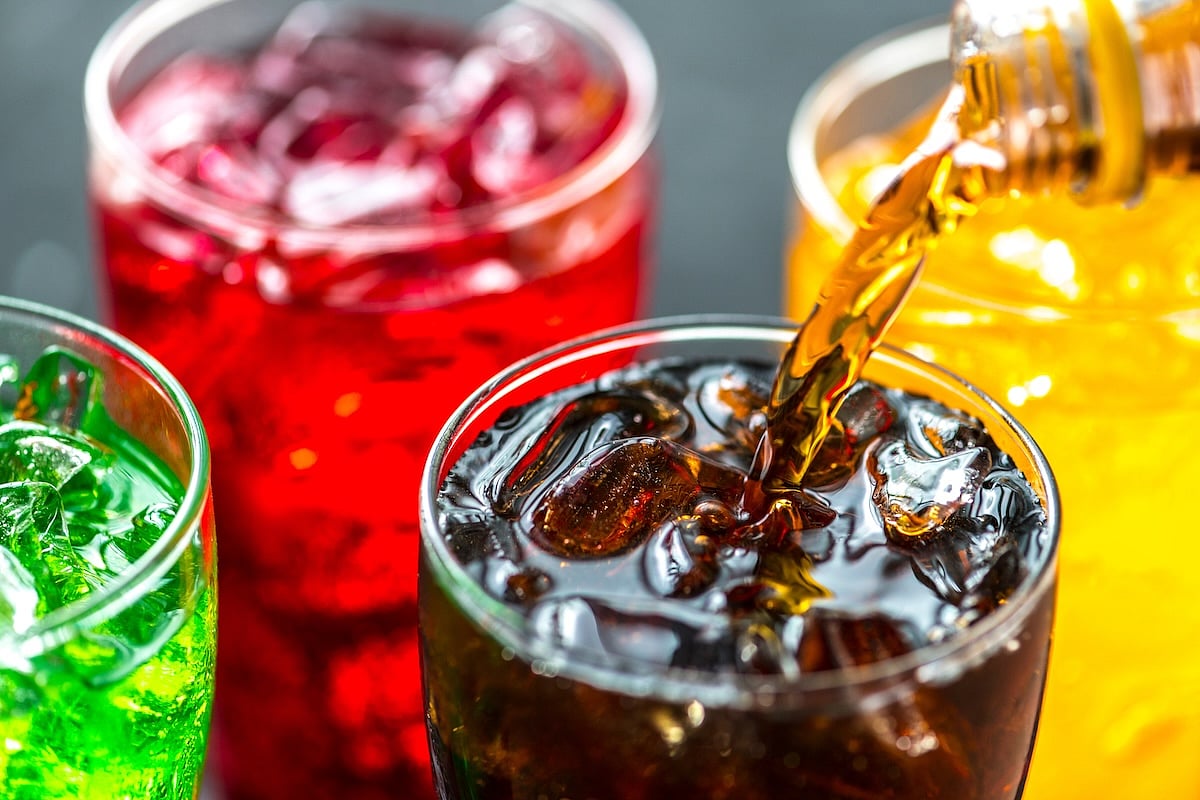
WEDNESDAY, March 13, 2024 (HealthDay News) — Consumption of >2 L/week of sugar-sweetened beverages (SSB) or artificially sweetened beverages (ASB) is associated with an increased risk for atrial fibrillation (AF), according to a study published online March 5 in Circulation: Arrhythmia and Electrophysiology.
Ying Sun, M.D., from Shanghai Ninth People”s Hospital, and colleagues examined the associations of consumption of SSB, ASB, and pure fruit juice (PJ) with AF risk and assessed whether these associations are modified by genetic susceptibility among 201,856 participants.
A total of 9,362 incident AF cases were documented during a median follow-up of 9.9 years. The researchers found that in the multivariable-adjusted model, individuals who consumed >2 L/week of SSB or ASB had an increased risk for AF compared with nonconsumers (hazard ratios, 1.10 and 1.20, respectively). There was a negative association for consumption of ≤1 L/week of PJ with AF risk (hazard ratio, 0.92). Participants at high genetic risk who consumed >2 L/week of ASB had the highest hazard ratio for AF (hazard ratio, 3.51), while the lowest risk was seen for those at low genetic risk who consumed ≤1 L/week of PJ (hazard ratio, 0.77).
“Our study”s findings cannot definitively conclude that one beverage poses more health risk than another due to the complexity of our diets and because some people may drink more than one type of beverage,” coauthor Ningjian Wang, M.D., Ph.D., also from Shanghai Ninth People”s Hospital, said in a statement. “However, based on these findings, we recommend that people reduce or even avoid artificially sweetened and sugar-sweetened beverages whenever possible.”
Abstract/Full Text (subscription or payment may be required)
 Sugar Exposure in Early Life Linked to Anxiety in Adulthood
  Retinal Imaging Can ID Atrial Fibrillation Years Before Diagnosis
  NOACs Linked to Slower Cognitive Decline in Patients With A-Fib, Alzheimer Disease
  Sugar-Sweetened Beverages May Increase Risk for Gastric Cancer
  Couples" Coping Skills Help Reduce Depression in GI Cancer Survivors
  Sugar-Sweetened Beverage Intake Linked to Anxiety in Teens

.jpg)

