


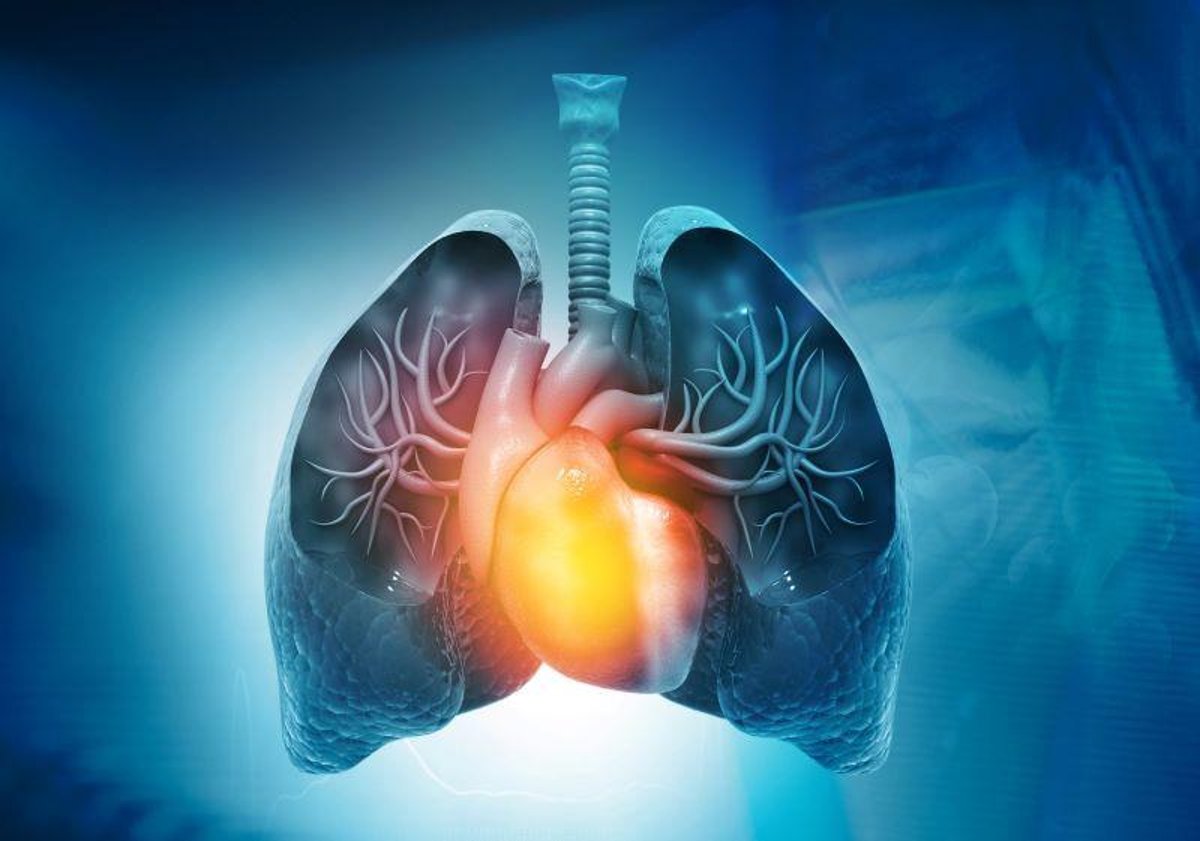
180-day hospitalization risk significantly increased following endocarditis for those with opioid use disorder, cocaine use disorder
TUESDAY, Jan. 3, 2023 (HealthDay News) — Patients with opioid use disorder (OUD) or cocaine use disorder (CocaineUD) have an increased risk for endocarditis associated with COVID-19, according to a study published online Dec. 13 in Molecular Psychiatry.
Lindsey Wang, from the Case Western Reserve University School of Medicine in Cleveland, and colleagues conducted a retrospective cohort study of 736,502 patients with a diagnosis of OUD and 379,623 with CocaineUD to examine the risk for endocarditis associated with COVID-19.
The researchers found that from 2011 to 2022, the incidence rate of endocarditis among patients with OUD or CocaineUD increased significantly, with acceleration seen during 2021 to 2022. COVID-19 was associated with an increased risk for a new diagnosis of endocarditis among patients with OUD and CocaineUD. An increased risk for a new diagnosis of endocarditis was seen in association with hospitalization within two weeks following COVID-19 infection. Significant racial and ethnic differences were seen in the risk for COVID-19-associated endocarditis, with a lower risk observed in Black versus White patients and in Hispanic versus non-Hispanic patients. For patients with OUD or CocaineUD, the 180-day hospitalization risk following endocarditis was 67.5 and 58.7 percent for patients with COVID-19 and matched patients without COVID-19, respectively. Following a new diagnosis of endocarditis, the 180-day mortality risk was 9.2 and 8.0 percent for patients with and without COVID-19, respectively.
“As the scientific understanding of long COVID develops, we can now include endocarditis as one long-term effect on key organ systems for people who inject drugs,” a coauthor said in a statement.
 Withdrawal From Medetomidine Increasingly Seen in ICUs
  Financial Incentives Boost Tobacco Abstinence in Underserved Adults
 .jpg) Considerable Gaps Reported in Care for Youth With Opioid Use Disorder
Considerable Gaps Reported in Care for Youth With Opioid Use Disorder  2016 to 2024 Saw Increase in Patients Using Medical Cannabis
  Ultrasound-Guided Hydrodissection Yields Improvements in Carpal Tunnel
  2013 to 2024 Saw Decrease in Benzodiazepine Prescribing
  Physical Therapist-Supervised Exercise Improves Outcomes After ACL Reconstruction
  Nearly 1 in 10 Older Adults Used Cannabis in the Past Year




.jpg)