


Hazard of incident diabetes reduced by 44 percent in adjusted models comparing average daily step count of 10,700 to 6,000
TUESDAY, Dec. 20, 2022 (HealthDay News) — Being more active is associated with a reduced risk for type 2 diabetes mellitus (T2DM), according to a study published online Dec. 2 in The Journal of Clinical Endocrinology & Metabolism.
Andrew S. Perry, M.D., from the Vanderbilt University School of Medicine in Nashville, Tennessee, and colleagues examined the association between physical activity and incident T2DM with an innovative approach using data from commercial wearable devices linked to electronic health records. Data were included from 5,677 participants in the All of Us Research Program.
The researchers found 97 cases of incident T2DM during a median follow-up of 3.8 years between 2010 and 2021. The hazard of incident diabetes was reduced by 44 percent in models adjusted for age, sex, and race when comparing those with an average daily step count of 10,700 versus 6,000. When comparing groups based on average duration of various intensities of activity, similar benefits were seen. No evidence was seen for effect modification based on age, body mass index, or sedentary time.
“We found that people who spent more time in any type of physical activity had a lower risk of developing type 2 diabetes,” Perry said in a statement. “Our data shows the importance of moving your body every day to lower your risk of diabetes.”
Several authors disclosed financial ties to the biopharmaceutical industry; one author is coinventor on a patent for ex-RNA signatures of cardiac remodeling.
Abstract/Full Text (subscription or payment may be required)
 GLP-1 Receptor Agonists, SGLT-2is Slow Renal Function Decline in T2D With Albuminuria
 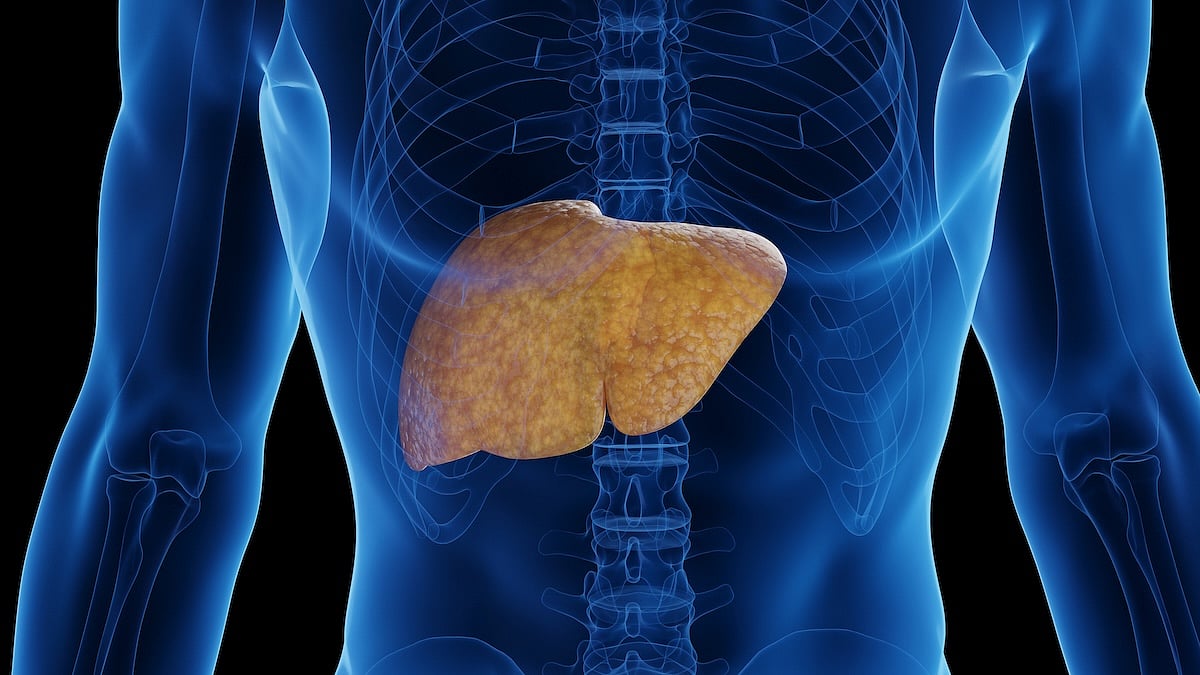 Genetics, Diabetes Tied to MASLD-Associated Cirrhosis Before Age 50
  Study IDs Risk Factors for Ketoacidosis in Adults With T2D Receiving SGLT2 Inhibitors
  Combo of Step Count and Step Pace Tied to Lower Risk for Early Death
  Exercise-Based Cardiac Rehab Beneficial for Coronary Heart Disease
  Isometric Exercise Training Three Times a Week Preserves Cardiovascular Benefits
  9 of 10 Leading Causes of Death Unchanged From 2023 to 2024
  Aerobic Training, Behavioral Interventions Both Clinically Improve Asthma Control
.jpg)



