Risk increased in the six months after infection; elevated risk also seen in subpopulation with overweight, obesity and hospitalized patients
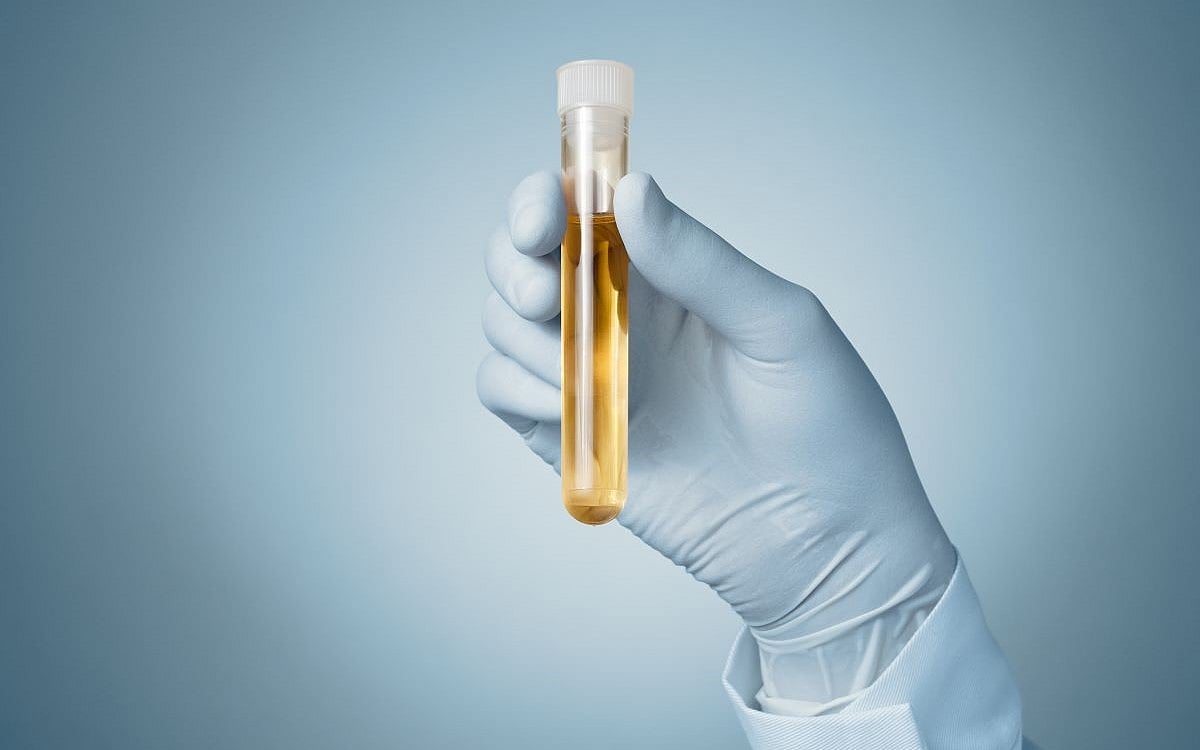
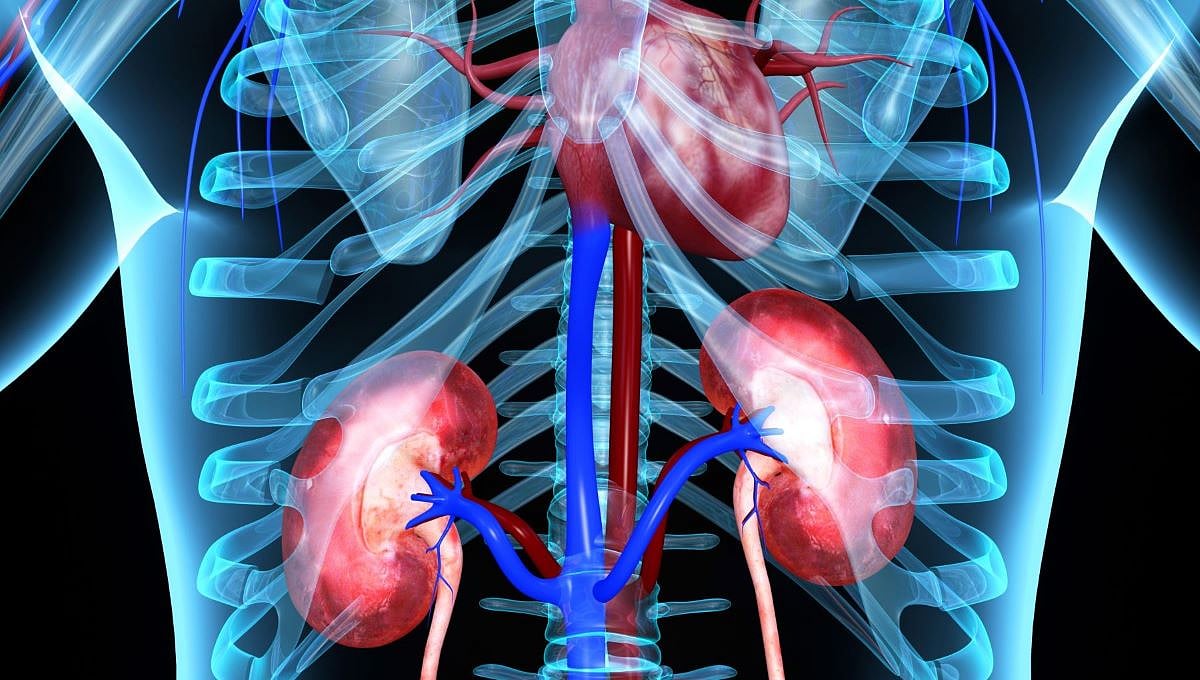
WEDNESDAY, Oct. 16, 2024 (HealthDay News) — The risk for an incident diagnosis of type 2 diabetes (T2D) is increased in the six months following severe acute respiratory syndrome coronavirus 2 (SARS-CoV-2) infection, according to a study published online Oct. 14 in JAMA Network Open.
Margaret G. Miller, from the Case Western Reserve University School of Medicine in Cleveland, and colleagues conducted a retrospective cohort study using electronic health records to examine whether the risk for incident T2D diagnosis is increased during the six months following SARS-CoV-2 infection in pediatric patients aged 10 to 19 years. The study population included 613,602 patients: 306,801 with COVID-19 and 306,801 with other respiratory infections after propensity score matching.
The researchers found a significant increase in the risk for a new diagnosis of T2D from the day of infection to one, three, and six months after COVID-19 diagnosis compared with the matched cohort (risk ratios, 1.55, 1.48, and 1.58 at one, three, and six months, respectively). In the subpopulation classified as having overweight or obesity, results were similar (risk ratios, 2.07, 2.00, and 2.27 at one, three, and six months, respectively); results were also similar in the subpopulation with hospitalization (risk ratios, 3.10, 2.74, and 2.62 at one, three, and six months, respectively). When excluding patients diagnosed during the interval from the index date to one month after infection, a similar elevation in risk was seen at three and six months.
“Understanding the role that SARS-CoV-2 plays in pediatric T2D incidence will add an important component to consideration of the risks and benefits of preventing SARS-CoV-2 infection in children,” the authors write.
Abstract/Full Text (subscription or payment may be required)
 Long-Term Medication Adherence Tied to Lower Cardiovascular Event Rate in Type 2 Diabetes
  Reinitiating Obesity Meds After Bariatric Surgery Tied to Greater One-Year Weight Loss in Youths
  Add-On Tirzepatide May Reduce MACE Risk in People With T2D, ASCVD
  Type 2 Diabetes Linked to Worse Menopausal Symptoms
  Menopausal Hormone Therapy Use Linked to Lower Risk for Alzheimer Disease
  AMH Predicts Benefit of Chemo + Endocrine Therapy in Under 55s With Breast Cancer
  Premature Menopause Linked to Increased Risk for Hypertension
 .jpg) Semaglutide Not Linked to Higher Neovascular Age-Related Macular Degeneration Risk
Semaglutide Not Linked to Higher Neovascular Age-Related Macular Degeneration Risk